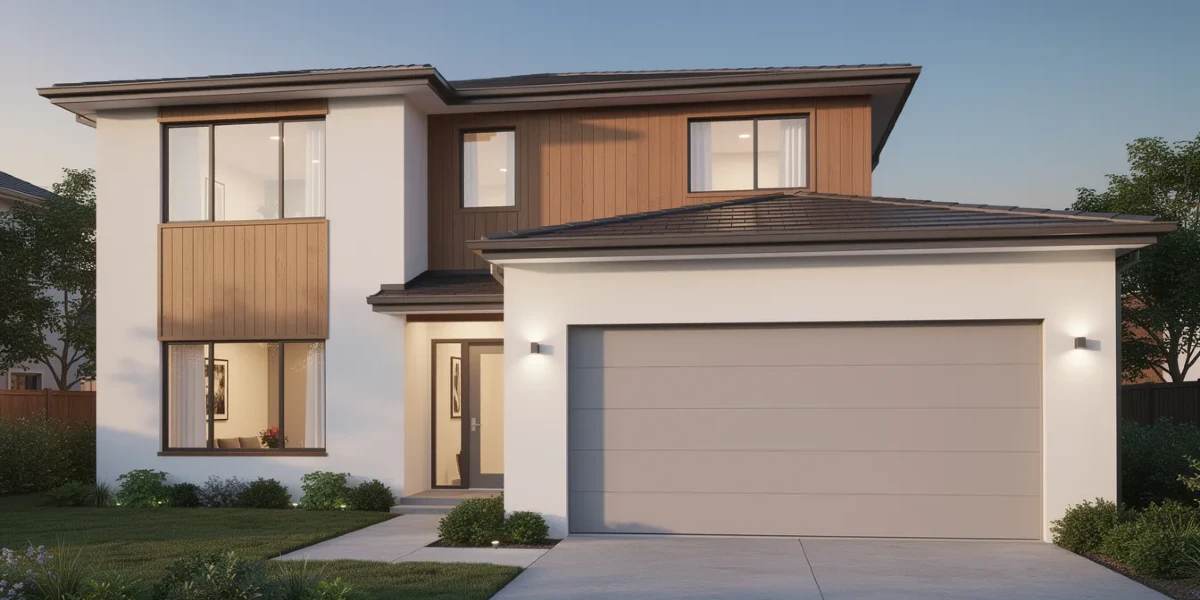

Plenty of homeowners find out too late that their garage is a tight squeeze—not enough parking space, zero room for extra storage space, and nowhere to put those holiday decorations you swore you’d organize this year. That’s why it pays to think about garage dimensions before you build or buy. At Jolly Goat Garage Doors, we help folks around Oklahoma City go beyond standard dimensions and plan for the kind of perfect garage that actually works. Let’s talk about how to provide ample space and avoid garage regret later!
What Determines Ideal Garage Dimensions?
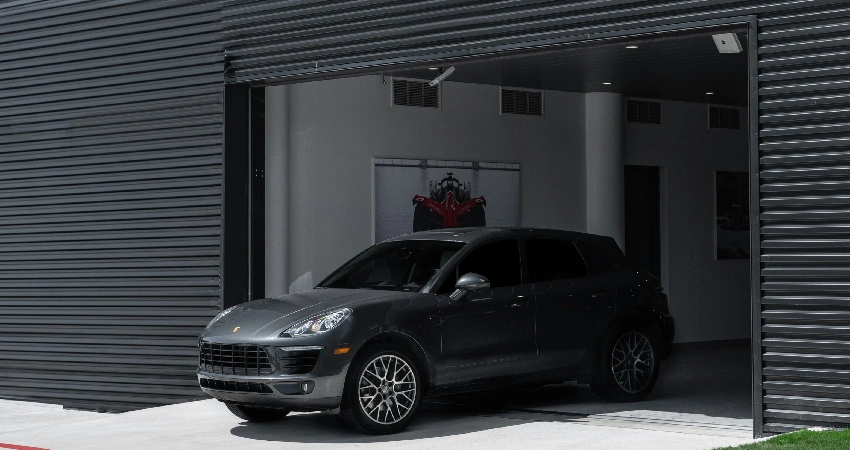
Out of all the most common garage dimensions, there is a right fit for your lifestyle. Ultimately, the best car garage size depends on what you drive, what you store, and how you use the space.
1. What Kind of Vehicle Do You Own?
The most obvious starting point: your car. Or truck. Or van. A one-car garage might work fine if you’ve got a compact sedan. But if you own a full-size truck or SUV, you’ll need a garage depth that’s at least 22 to 24 feet deep just to park it without having your bumper kiss the drywall.
Bigger vehicles also need more space around them for opening doors, walking around, and getting in and out without bumping into walls or stored items. If you own multiple larger vehicles, the difference between a tight fit and ample space can come down to just a couple of extra feet.
2. What Do You Want to Store?
Are you just looking to protect your vehicle from the weather, or are you also planning to store tools, bikes, bins of old clothes, or the kids’ baseball gear? The minute your garage becomes more than just a place to park, you need additional space built into your design.
Most homeowners nationwide want some extra storage in their garage. That could be cabinets, shelving, a pegboard tool wall, or even just overhead storage racks for seasonal items. If you want a garage that offers real flexibility, factor in at least 2–3 feet of clearance around vehicles and behind them.
3. Is It Attached or Detached?
An attached garage usually has to follow the structure of your home, including rooflines and ceiling heights. That can limit your ability to go taller or wider without changing your home’s footprint. But the upside? Easy access to the house, especially in Oklahoma winters.
A detached garage, on the other hand, gives you more freedom to build your dream garage. Want taller ceilings? Go for it. Need a small workshop in the back? Add it. Detached options also let you control heating, cooling, and maintenance costs separately.
4. What Fits on Your Lot?
This is where city codes, neighborhood rules, and sq ft limitations come into play. If your lot is narrow or has setbacks, that may cap your width or depth. But with the right design, even limited space can be maximized.
Common Garage Door Sizes

Let’s break down the most common standard garage sizes so you can start picturing what’s realistic for your needs.
Single-Car Garage Dimensions
A typical single-car garage size runs about 12 feet wide by 20 to 24 feet deep. That fits most cars, gives a little room to open car doors, and allows basic movement around the vehicle. If you drive a compact car, you can get away with slightly less.
But if you want extra space for shelves, bikes, or bins, consider going 14 feet wide or extending the depth to 26 feet. A narrow metal garage at 10×18 might work for only one car, but it won’t leave much breathing room.
Two-Car Garage Dimensions
The most popular layout in Oklahoma is the two-car garage. Standard two-car garage dimensions are around 20 to 24 feet wide by 22 to 24 feet deep. That gives you enough space for two cars, assuming they’re not both giant pickups.
A comfortable garage size for two vehicles is closer to 24×24 feet. That leaves room for storage space, some tools, and an easier time getting in and out of your car without door dings. Want to park two compact cars and add a workbench? Bump up to 28 feet wide.
Three-Car Garage Dimensions
For growing families, big toys, or multi-driver households, a three-car garage gives you the flexibility to park three cars, or two vehicles plus a hobby area, gym corner, or tool zone.
Three-car garage layouts vary, but 30 to 36 feet wide by 22 to 24 feet deep is a common starting point. That provides enough room for daily drivers and still leaves space for a side entrance, trash bins, or bikes.
Bonus tip: If you go with single doors for each bay, it can improve curb appeal and reduce wind drag when opening.
Four-Car Garage Size
If you have a fleet of vehicles, a large lot, or just want your garage space to double as a shop, man cave, or storage area, a four-car garage might be your jam.
A typical four-car garage size runs 40 to 48 feet wide and 24 feet deep. That’s ample space for parking vehicles and building out additional storage, tool benches, or even a loft. Most of these are custom builds with garage door sizes tailored to match your layout and lifestyle.
Standard Garage Size Considerations
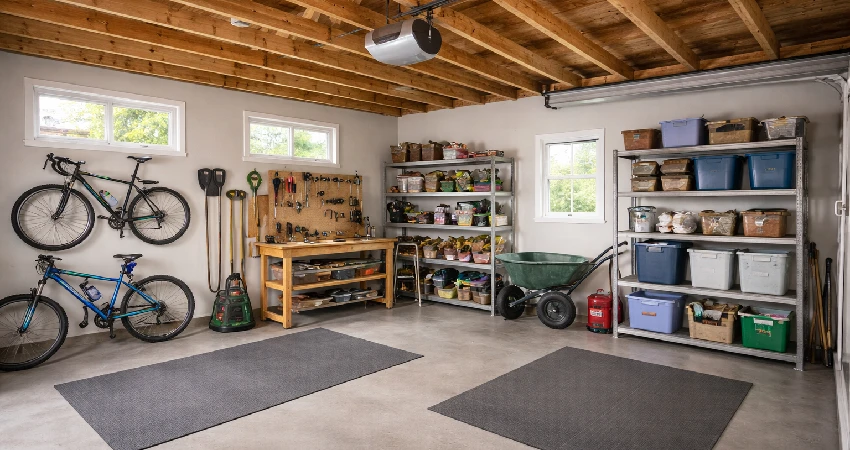
A garage isn’t just a rectangle. Width, depth, and height each play a role in how functional and comfortable the space is.
Garage Width: Clearance for Doors and Movement
Width determines how easily you can open car doors, walk between vehicles, and move around without squeezing sideways.
- For a one-car layout, the bare minimum is 10 feet wide. That fits a small car, but barely. A single-car garage that’s 12 feet wide feels much more usable.
- A two-car garage that’s only 20 feet wide will feel tight unless you’re parking two compact cars. Go for 22 to 24 feet for regular cars.
More width means more room for shelves, cabinets, trash bins, and unloading groceries without bumping into your doorframe.
Garage Depth: Vehicle Length and Storage Space Needs
Most standard garage sizes range from 20 to 24 feet deep. That’s fine for small cars, but longer vehicles need more depth.
- Sedans and crossovers are usually 14 to 16 feet long
- Full-size trucks can be 20 to 22 feet long
If you want storage space in front of the car, like a tool bench or shelves, go with 26 feet deep or more. Just enough room isn’t always enough room when you’re storing more than just a vehicle.
Garage Height: Ceiling Clearance and Door Types
Ceiling height matters more than most people think. The standard is 8 feet, but you might need 9 to 10 feet or higher if:
- You have a lifted truck or van
- You want to install overhead storage
- You plan on using a ceiling-mounted garage heater
Also, your garage door size is impacted by ceiling height. A taller door requires more headroom for the track. If you’re planning for larger vehicles or tools, don’t forget to factor in what’s above.
Vehicle Size Considerations

Depending on your vehicle, here’s how to plan accordingly:
1. Garage Dimensions for SUVs, Trucks, and Vans
If you own a full-size truck, a standard car garage size may feel too cramped. Many trucks run around 20 to 22 feet long, and when you add a workbench or shelves, your garage depth needs to be at least 24 to 26 feet. And let’s not forget width! Large trucks and SUVs are wide, especially with mirrors extended. Aim for at least 12 feet per vehicle if you want a comfortable fit.
2. Garage Dimensions for Electric Vehicles
EVs tend to be mid-size, but the real issue is vehicle storage plus charging space. If you’re installing a home charger, you’ll want extra space near the wall and enough clearance to plug in without tripping over cords. A garage size with a little additional space makes a big difference for daily charging routines.
Also worth noting: EVs are quiet. Make sure you have enough visibility in your garage space to avoid sneaky accidents.
Attached vs. Detached Garage Size Differences

An attached garage connects directly to your home. That makes it easier for heating and cooling, but might restrict you to the home’s roofline and width. These garages tend to be more standardized and limited by existing architecture.
A detached garage is usually built from scratch and offers more flexibility. You can go taller, deeper, wider, or even add a second story for overhead storage or a studio space. After all, there’s a reason detached setups are popular for home improvement projects that need a bit of breathing room.
How to Future-Proof Your Garage Size
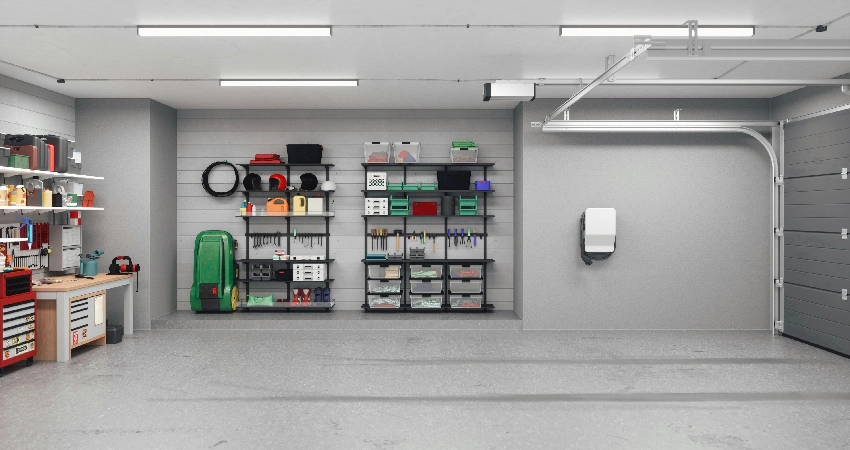
Your garage might be a perfect fit today, but what about five years from now? Check out our take on how to give yourself wiggle room:
- Add a few extra feet wide to allow for new vehicles or more storage
- Go deeper than the minimum depth, especially if you have long vehicles
- Consider higher ceilings for lofts, lifts, or overhead storage
- Leave wall space for tool racks, shelves, or garden tools
- Plan for additional storage needs, not just vehicle space
- Install outlets in smart locations for EV chargers or power tools
Frequently Asked Questions About Garage Dimensions
1. How do I maximize garage space for vehicle storage and still have room for other items?
The secret is to build with breathing room in mind. For true vehicle storage that still gives you space to move, aim for at least 2–3 feet of extra width and depth beyond your car’s size. Then, use vertical storage (e.g., shelving, wall hooks, and ceiling racks) to keep floors clear and usable.
2. Is a metal garage a good option for Oklahoma weather?
Yes, a metal garage can be a solid, budget-friendly choice, especially for detached structures. They’re quick to install and often more affordable than traditional builds. Just make sure it’s properly insulated and ventilated, or it could get stuffy in summer and chilly in winter.
3. How much space should I leave for overhead storage?
If you’re planning to install overhead storage, your garage ceiling should be at least 9 feet high. Leave about 24–30 inches between the top of your vehicle and the ceiling rack so there’s enough clearance for loading bins without bumping your roof.
4. Do detached garages come with higher maintenance costs?
They can, depending on materials and utilities. A detached garage might need separate electric runs or insulation, and roofing or siding may require more upkeep. That said, the flexibility in design and layout often makes the maintenance costs worth it.
5. Can I build a garage next to a historic home?
You can, but there may be extra steps. If your property includes a historic home, you might need approval from local preservation committees or comply with specific design rules. Many homeowners build detached garages with exterior finishes that match the home’s style to blend it in visually.
Need Help Choosing the Right Garage Door Size?
The door makes the garage. Seriously. The perfect garage offers you smooth access, better insulation, and plenty of room to pull your car inside without knocking over the trash bins. So if your current door feels too small, too old, or just wrong for your space, Jolly Goat Garage Doors is here to fix it!
We handle everything from new installs to garage door repair services, and we’ll make sure your garage actually offers what it should—including smart use of square footage and long-term cost effectiveness.