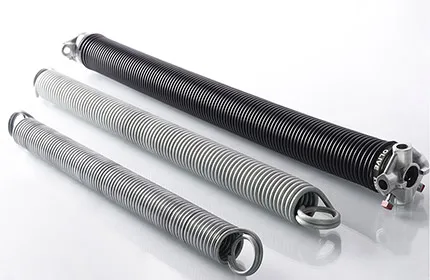

Garage door springs are the unsung heroes of your garage door system. Every time you press the opener button, they do the heavy lifting, quietly balancing a door that can weigh well over 100 pounds. But just like any hardworking part, they don’t last forever, and when one finally gives out, it rarely picks a convenient moment. This guide covers what Oklahoma homeowners ask us most about springs: the difference between torsion and extension springs, how long springs really last, the warning signs of a worn or broken spring, and what to do (and not do) when one breaks.
In this guide:
How Garage Door Springs Work: Torsion vs. Extension Springs
Your garage door springs are essentially the muscle that helps lift and lower the door. They bear the door’s weight and counterbalance the force needed to open and close it, whether you lift it by hand or use a garage door opener. Over time, they lose tension, which can affect how the door operates.
Knowing what type of springs your garage door has helps you understand your system better, and it comes in handy when it’s time for maintenance, repairs, or adjustments. Most homes in the Oklahoma City metro use one of two spring systems.
Torsion Springs
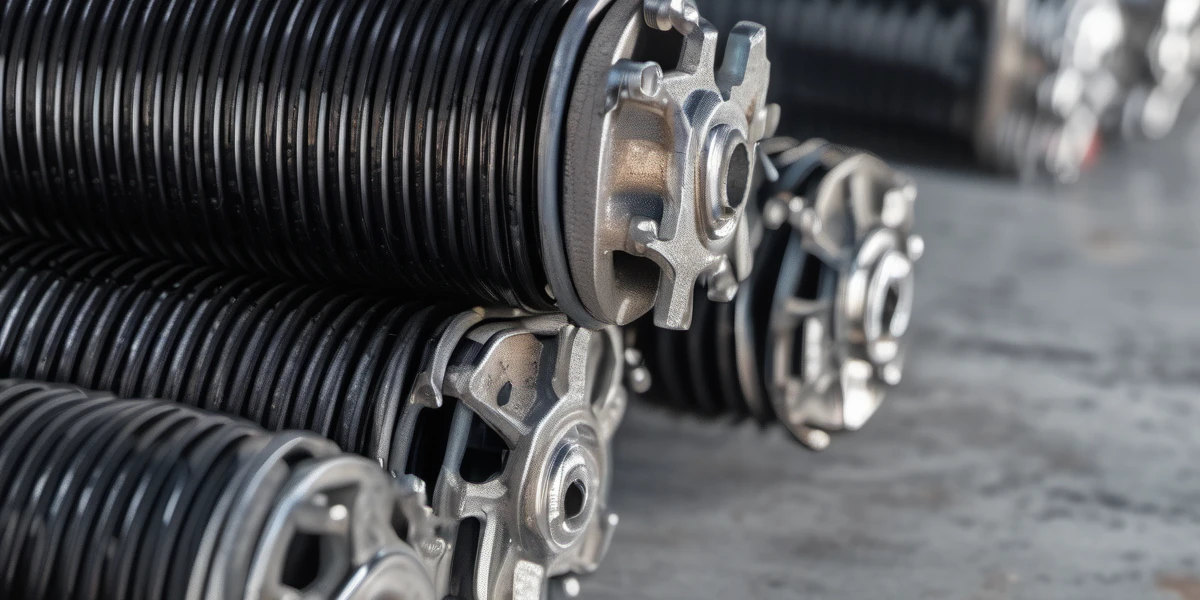
Torsion springs are the most common type found in modern garage doors. They’re mounted horizontally above the door opening on a metal shaft, and they work by twisting under pressure. When the door is closed, the springs are wound tightly, storing energy. As you open the door, the springs unwind, releasing that energy to help lift the door. They’re known for their efficiency and balance, giving the door a smoother motion.
Torsion springs generally last longer than extension springs. They’re also a bit safer when they break, because a broken torsion spring stays on the shaft rather than flying loose.

Extension Springs
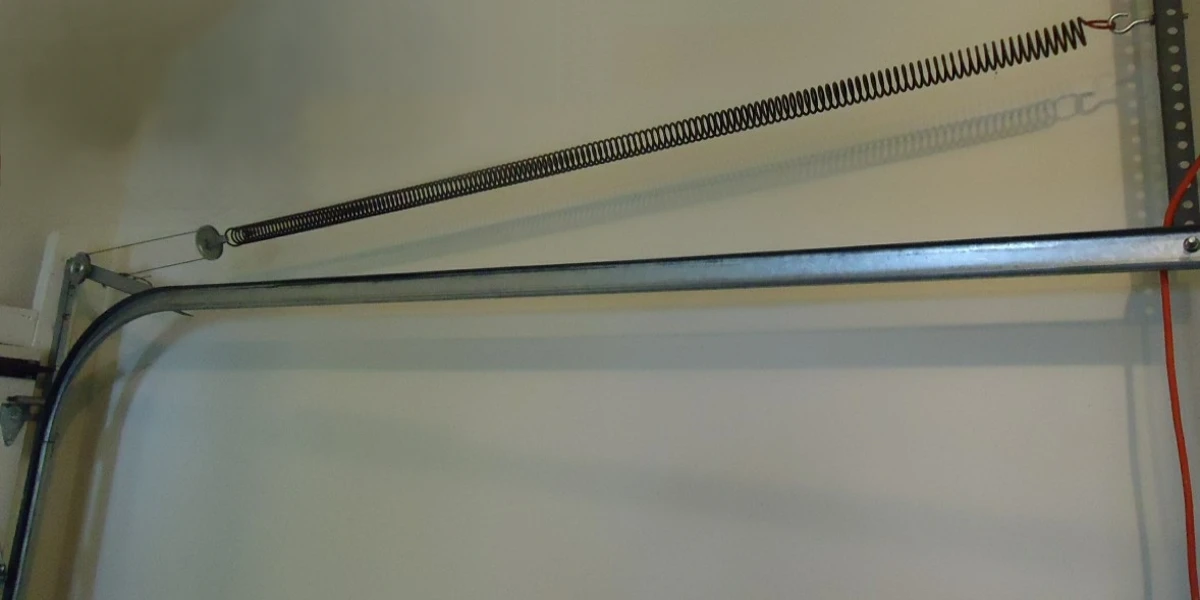
Extension springs are typically found on either side of the door, running parallel to the horizontal tracks. They store energy by extending, or stretching, when the door moves. They’re more common on older or more basic garage door systems, but they’re still widely used because they’re cost-effective.
Because extension springs fully expand and contract every time the door is used, the extra wear and tear makes them harder to maintain and shortens their lifespan. They can also make a jerking motion when used, which affects how smoothly the door operates.

Should You Switch from Extension Springs to Torsion Springs?
If your door runs on extension springs, a conversion is worth considering. Torsion springs offer homeowners a better mix of longevity, smooth operation, and less wear and tear on supporting components. That means your garage door becomes less of a headache and needs less frequent maintenance and repairs, keeping your day humming along at its usual pace.
If you use your garage as your main entrance, you may want to go a step further. Read Should I Be Upgrading to High-Cycle Garage Door Springs?
The Cables That Work With Your Springs
Springs don’t work alone. Each system relies on cables to lift the door safely.
Lifting cables for torsion spring systems: these are attached to the bottom corners of the door and wind around the cable drums. They lift and lower the door as the torsion springs unwind and wind.
Safety cables for extension spring systems: a safety cable runs through the center of each extension spring and is anchored at both ends. If the spring snaps, the cable contains it and stops it from whipping across the garage. Separate lifting cables connect the springs to the bottom brackets on either side of the door. Never use extension springs without safety cables.

Why Knowing Your Spring Type Matters
- Safety and maintenance: different types of springs and cables have specific maintenance requirements and safety hazards. For instance, torsion springs can be more dangerous to adjust because of the high tension they’re under.
- Proper adjustment and repair: understanding what type of spring and cable system your garage door has ensures the correct methods are used for adjustment and repair. This knowledge is critical to keeping your garage door safe and long-lasting.
- Professional assistance: when you call for help, knowing the type of springs and cables your garage door has helps our team at Jolly Goat Garage Doors provide faster, more tailored garage door spring service.
How Long Do Garage Door Springs Last?
Garage door spring life is measured in cycles. Each time your garage door opens and closes, it completes one cycle. With every cycle, the metal in the springs undergoes stress, gradually leading to wear and fatigue. It’s like bending a paperclip back and forth: over time, it weakens and eventually breaks.
Here’s the lowdown on the average garage door spring lifespan:
- Standard springs (torsion or extension) are typically rated for about 10,000 cycles. If you use your garage door about four times a day, that works out to roughly 7 years.
- High-cycle torsion springs are built to last longer, often 15,000 to 20,000 cycles or more. With the same daily use, that’s roughly 10 to 14 years.
But remember, these numbers aren’t set in stone. How often you use your door makes a big difference:
| Times your door opens and closes per day | Standard spring (10,000 cycles) | High-cycle spring (20,000 cycles) |
|---|---|---|
| 2 | about 13 years | about 27 years |
| 4 | about 7 years | about 13 years |
| 6 | about 4½ years | about 9 years |
| 8 or more | about 3½ years | about 7 years |
If your garage is the main way in and out of your house, with school runs, work commutes and weekend errands, you’re probably at the busier end of that table.
Why Do Garage Door Springs Break?
Frequency of use. More cycles mean more wear. A residential garage used twice a day will see far less wear than a commercial garage door that may open and close over a hundred times a day.
Maintenance. Catching issues early makes a real difference. That means checking for rust, corrosion, or signs of fatigue and dealing with them promptly. Neglecting maintenance can lead to early spring failure. Think of it as skipping oil changes on your car: you wouldn’t do it, right?
Quality of springs. Material matters. Higher-quality springs are often made from better steel and go through more rigorous manufacturing, which makes them more resilient and able to withstand more cycles. They may cost more upfront, but they can be more cost-effective in the long run. Cheaper alternatives may need replacing more often, and those costs add up over time.
Environmental conditions. Springs are susceptible to their environment. High humidity can make springs rust and corrode faster, while extreme cold can make metal brittle and more prone to breaking. Oklahoma homeowners get both: humid summers, sudden cold snaps and big temperature swings in between. Regular checks for rust help, and in harsh conditions, coated or weather-resistant springs are worth asking about.
Improper adjustment. A spring that was sized or tensioned incorrectly works harder on every cycle, which speeds up wear and makes failure more likely.
Understanding these factors helps you make informed decisions about garage door maintenance and when to plan for replacement. Some things are within your control, like maintenance. Others, like how often you use the door, just come with your lifestyle.
Related Article: Should I Be Upgrading to High-Cycle Garage Door Springs?
Signs Your Garage Door Springs Are Worn or Broken
Garage door springs don’t always quit quietly. Over time, constant use and natural wear and tear take their toll, and spotting the signs early is essential for keeping your garage door working and safe. Here’s what to watch for.
- The door feels heavy or is hard to open and close.
One of the main indicators of worn or broken garage door springs is difficulty operating the door. If your garage door feels heavier than usual, or it becomes harder to lift or lower by hand, the springs may be worn or broken. When the springs lose tension or break completely, the door’s weight is no longer supported. - Your opener is straining.
If your garage door opener hums, strains, or only lifts the door a few inches, the spring may be the real issue. The opener isn’t built to lift the full weight of the door by itself, and forcing it can turn one repair into two. - The door is uneven.
Look at your garage door when it’s closed. If one side sits higher or lower than the other, or one side lags when opening, there may be a problem with the springs. Worn or broken springs throw off the door’s balance, which affects how it looks and can also damage the tracks, rollers, and other parts of the system. - You hear loud noises or feel vibrations.
Pay attention to unusual noises when the door runs. Loud banging, popping, or creaking can mean the springs are worn or damaged. And if you heard a single loud bang in the garage, like something heavy hit the floor, that’s often a spring snapping under tension.
- You can see gaps, wear, or rust.
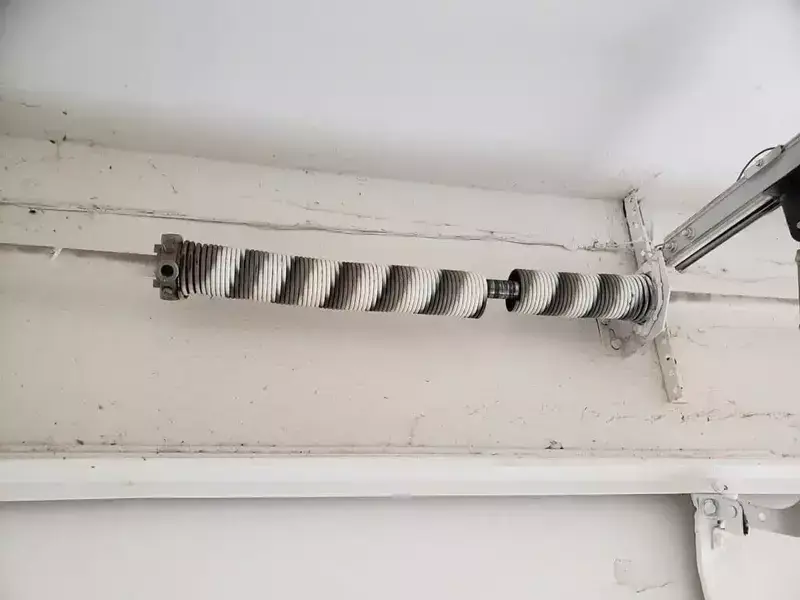
Look at the springs themselves. Visible gaps in the coils are a telltale sign a spring has broken. Fraying, cracks, or corrosion mean the springs are likely near the end of their life. Look, but don’t touch. Springs are under high tension, even when they’re damaged. - The cables are loose or snapped.
Garage door springs work together with cables to lift and lower the door. If the cables look loose, frayed, or have snapped, that strongly points to a spring problem. Broken springs can put excessive strain on the cables and cause them to fail. - The door moves too fast, too slow, or with a jerk.
A properly working garage door should open and close at a steady speed. If yours drops quickly, slams shut, or moves with a jerking motion, the springs may no longer be providing the tension and control they should. A door that closes too fast is a safety concern and should be checked right away. - Your springs are getting old.
Springs have a limited lifespan. If yours are approaching the age covered in How Long Do Garage Door Springs Last? above, consider replacing them even if they haven’t shown visible damage.
If One Spring Broke, Replace Both
If your door has two springs and one has failed, it’s recommended to replace both at the same time. Garage door springs usually wear out at a similar rate. Replacing only the broken one leaves the door with uneven tension and puts extra strain on the new spring, and the old one may not be far behind.
Think a Spring Is Broken? Here’s What to Do
- Stop using the opener. Running it can damage the opener, cables, and other parts.
- Keep people, pets, and cars clear of the door. Without a working spring, the door can drop suddenly.
- Don’t pull the emergency release cord if the door is open. With no spring tension holding it, the door can fall.
- Don’t try to repair or replace the spring yourself. Springs are under high tension and can cause serious injury.
- Call a professional to inspect the springs and replace them safely.
Wondering what a replacement will cost? See our Garage Door Spring Replacement Cost guide for typical Oklahoma City prices, or book a spring repair.
Can You Adjust or Replace Garage Door Springs Yourself?
It’s a common scenario. You notice your neighbor tinkering with their garage door springs and think, “If they can do it, why can’t I?” The idea of DIY is tempting, especially if you’re handy around the house. But adjusting or replacing garage door springs is a different ball game.
Why Springs Are Dangerous
Garage door springs are under tremendous tension. That tension is what allows them to lift a heavy garage door with ease. But if a spring snaps or is mishandled, that force is released suddenly, and it can cause serious injury or property damage. This is especially true for torsion springs.

It’s Not Just Tightening or Loosening
Adjusting springs isn’t simply a matter of tightening or loosening them. It takes precise calibration so the door lifts evenly, runs smoothly, and closes securely. The springs also have to match your door’s weight, height, and hardware. That precision is hard to achieve without the experience and tools professionals bring.
Your Neighbor’s Success Story Isn’t Universal
- Individual skills vary. Your neighbor may have previous experience or mechanical skills you don’t know about. Their success doesn’t make it a safe job for everyone.
- There are unseen risks. Even when a DIY adjustment seems to work, an improperly adjusted door can cause uneven wear, damage the door or opener, and even create a security weak spot.
DIY vs. Professional Spring Replacement
| DIY | Professional | |
|---|---|---|
| Pros | Potential cost saving, since you pay only for parts, not labor | Safety. Professionals have the tools, training, and experience to do the job safely and correctly. Their work usually comes with a warranty. |
| Cons | Without the proper tools and expertise, you risk incorrect installation, further damage, or injury. DIY repairs don’t come with a warranty. | You pay for both labor and parts |
What You Get With a Professional
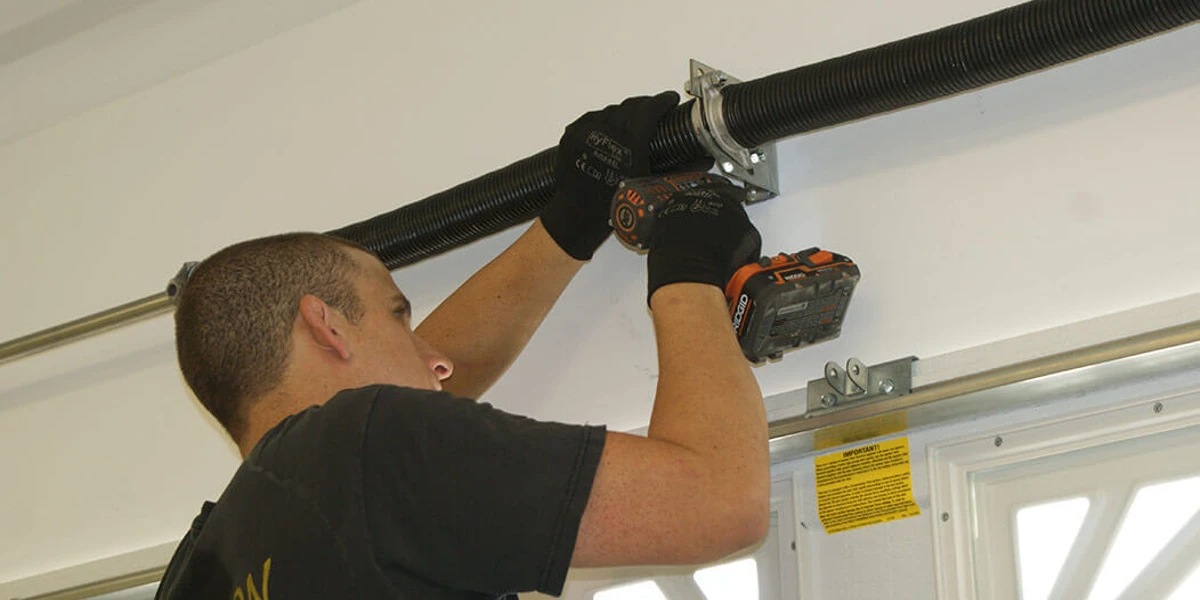
- Safety assurance. Trained technicians handle high-tension springs safely, with the right tools and protective gear.
- A full inspection, not just a spring swap. A professional checks the overall health of your garage door, spots other worn parts, and makes sure the door is balanced and aligned after the repair.
- Time saved. A DIY spring repair can take hours, even days, without the right tools. A trained technician can finish the job in a fraction of that time, so you get back to your routine with minimal disruption.
- A warranty. Professional work is backed by a warranty. Jolly Membership members get a lifetime labor warranty on every repair or installation we perform.
The Bottom Line
In most cases, adjusting or replacing garage door springs on your own isn’t safe. The risks and complexity outweigh the savings, and saving a few bucks isn’t worth risking your safety.
At Jolly Goat, we understand that not everyone is a DIY enthusiast, and even those who are might not be comfortable with the high tension of garage door springs. If your springs need adjusting or replacing, give us a call. We’ll make sure your garage door runs smoothly and safely, without you having to lift a finger (or a winding bar!).
Book garage door spring service →
What Happens During a Professional Spring Replacement
Replacing a garage door spring is more than swapping out a part. Here’s what a Jolly Goat technician does when they arrive:
- Inspect and diagnose. The technician confirms the spring type and checks why it failed. They also look for other worn parts, because a broken spring is sometimes the first sign that another part is getting tired too.
- Match the right spring. Springs have to fit your actual door: its weight, height, and hardware, plus details like wire size, spring length, and wind direction. Guessing wrong can leave the door too heavy, too jumpy, or unsafe.
- Secure the door. The door is closed, the opener is disconnected, and the door is locked in place so it can’t move while the springs are being worked on.
- Safely release the old spring’s tension. This is the most dangerous part of the job, and the main reason spring work isn’t a DIY project. It’s done with specialized tools and training.
- Install the new springs. If your door has two springs, we recommend replacing both so the door stays balanced.
- Check the rest of the system. Cables, drums, rollers, hinges, and tracks are inspected, and any worn part is flagged before more work is done.
- Balance and test. The door is balanced so it moves smoothly and stays put when partly open. The opener is also tested, so it isn’t working harder than it should.
Most standard spring replacements take about 1 to 2 hours. It can take longer if the door is oversized, the cables or drums are damaged, or the door has come off its track.
Want to know the cost? See Garage Door Spring Replacement Cost in Oklahoma City for typical price ranges by spring type.
Have an older door with side-mounted springs? Read How To Replace Old Style Garage Door Springs.