
Garage doors break down for all kinds of reasons, including dirty sensors, faulty remotes, and worn-out springs. Knowing how to spot what’s wrong keeps you safe, saves time, and protects your security. This guide from Jolly Goat Garage Doors walks you through how to go about troubleshooting garage door problems safely so you don’t risk serious injury while you search for answers.
Most Common Garage Door Problems (and How to Troubleshoot Them)
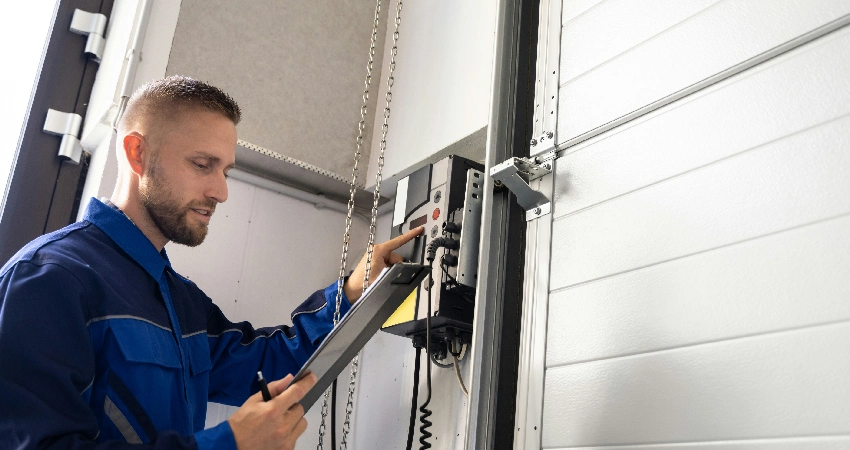
Not sure why your garage door isn’t working the way it should? Chances are it’s one of these common issues—and each one has a clear fix you can try.
1. Garage Door Won’t Open or Close
If your garage door won’t open or close, start by checking for a power connection. Verify that the garage door opener is plugged in and the breaker hasn’t tripped. A loose cord, a flipped switch, or a blown fuse can stop the system from functioning properly.
Next, pull the emergency release cord to disconnect the opener motor from the door. If the door opens manually without too much resistance, the motor might be the problem. If the door feels stuck or heavy, you could be dealing with broken springs, jammed rollers, or an obstruction in the door’s path. Also, inspect the tracks and check for any debris or objects blocking the way. Even something as small as a pebble or bit of dirt can prevent the rollers from moving freely.
If you’ve done all that and still have no luck, it’s time to call in a professional garage door technician who can inspect everything, like the opener motor and torsion springs, and find a solution.
2. Unresponsive Remote Commands and Wall Buttons
This is one of the most common garage door problems we see. If the garage door doesn’t respond to remote commands or the wall switch, start simple and replace the batteries in the remote. Then check the garage door opener’s light panel for blinking codes that could signal a problem. Some openers also have a lock button that disables remote access, so make sure that it hasn’t been accidentally triggered.
If both the wall button and remote are dead, inspect the wiring on the wall switch. If you’re comfortable doing so, disconnect the wall unit and check for loose screws or frayed wires. Just be sure the power is off before proceeding.
Still not working? At that point, the issue could be with the receiver, logic board, or signal interference—something a trained garage door technician can diagnose.
3. Garage Door Reverses Before Closing
If the garage door starts to close and then suddenly reverses, your safety sensors are likely blocked or misaligned. These sensors, mounted near the floor on either side of the door’s path, detect anything that could be in the way.
Use a soft cloth to wipe the lenses clean; even a bit of dust or dirt can affect the signal. Then, check that both sensors are aimed directly at each other and that their indicator lights are solid. If one is blinking, it may be out of alignment or blocked.
If cleaning doesn’t work, inspect the wires and verify the connection. If you see signs of wear or loose screws, you may need help from a garage door professional. You can also check the opener’s travel and force settings. If those are set too low, the system may think it has hit an obstacle even when the path is clear.
4. Faulty or Broken Springs
Broken springs are one of the more serious garage door issues, and are definitely not a DIY fix. Most garage doors use torsion springs, which help counterbalance the door’s weight. If one breaks, the door becomes extremely heavy and unsafe to lift.
When a garage door spring snaps, it often sounds like a loud bang, almost like something heavy just fell. You may also notice the door struggling to move or only lifting a few inches before freezing in place. Don’t try to force it open, and definitely don’t attempt to replace the springs yourself.
This is a job for a professional technician with the right tools, training, and safety equipment.
5. Malfunctioning Garage Door Opener
If your garage door opener isn’t responding or makes unusual noises without moving the door, there could be a problem with the opener motor or internal gears.
Start by unplugging the opener for 30 seconds, then plug it back in to reset it. Also, check for any blinking lights or error codes that may appear on the unit. Some models display messages to indicate they’re in diagnostic mode. If you’re still stuck, it could be a problem with the motor itself, the limit settings, or the circuit board—all things that a garage door technician can check safely.
6. Misaligned or Blocked Garage Door Tracks
Garage door tracks need to be aligned and clean to allow for smooth operation. Use a flashlight to inspect both tracks for dirt, debris, or anything else that looks out of place.
If you see a small bend, you can try tapping it back with a rubber mallet. But if the track is pulled away from the wall or heavily dented, call a garage door professional. Continuing to run the door on bent rails can cause more damage. Additionally, make sure to also lubricate moving parts along the tracks with a silicone-based lubricant to prevent future wear.
7. Strange or Unusual Noises Coming From the Garage Door
Unusual noises like grinding, squeaking, or rattling are often signs that the moving parts need attention. Use a silicone-based lubricant on the rollers, hinges, and tracks to see if that helps.
Another solution is to check for loose screws, worn rollers, or misaligned tracks. Sometimes the noise is caused by cables rubbing or a loose bracket. However, if you can’t pinpoint the source of the noise, contact a professional technician to inspect the system.
8. Garage Door Stops Midway or Moves Unevenly Along the Door’s Path
When your garage door opens halfway and stops or starts to tilt, one side might be binding. Disconnect the door from the opener and try lifting it manually. If it moves smoothly, the issue might be with the garage door opener. If it feels uneven or stuck, inspect the garage door tracks, rollers, and cables.
Uneven movement often points to wear on one side, like a stretched cable or weakened spring. Don’t try to adjust the springs yourself. This is a job for a garage door technician.
9. Garage Door Moves Too Slowly
If your automatic garage door opens slowly or hesitates, try applying a silicone-based lubricant to all moving parts. Dry rollers and hinges create friction that slows down the operation. Now, if you lubricate those parts and the door still moves slowly, the problem could be with the opener motor or aging springs. A garage door professional can measure the door’s balance and test the opener’s strength.
10. Loose Hardware and Worn-Out Rollers
Loose screws, brackets, and worn rollers are some of the easier garage door issues to fix on your own. Use a socket wrench to tighten any visibly loose parts, especially around the hinges and brackets.
To fix this, check each roller. If one is cracked, chipped, or dragging in the track, replacing it can make a big difference. Nylon rollers are quieter, but steel ones last longer—your choice depends on what you want for your property.
But if you’re unsure how to remove a roller or feel uncomfortable with the process, a garage door technician can handle it quickly and safely.
11. Garage Door Lights Flash but Nothing Happens
If your opener lights flash but the garage door won’t move, your system is detecting a fault. Usually, this means one of the safety features is being triggered. Check the sensors for dirt or alignment issues. Clean them with a soft cloth and make sure nothing is blocking the door’s path.
You can also check the opener’s limit and force settings. If they’re not set correctly, the motor might think it’s hitting resistance and stop automatically. If adjusting the settings doesn’t fix it, it’s time to call in a professional.
When to Call a Professional Garage Door Technician in Del City, OK
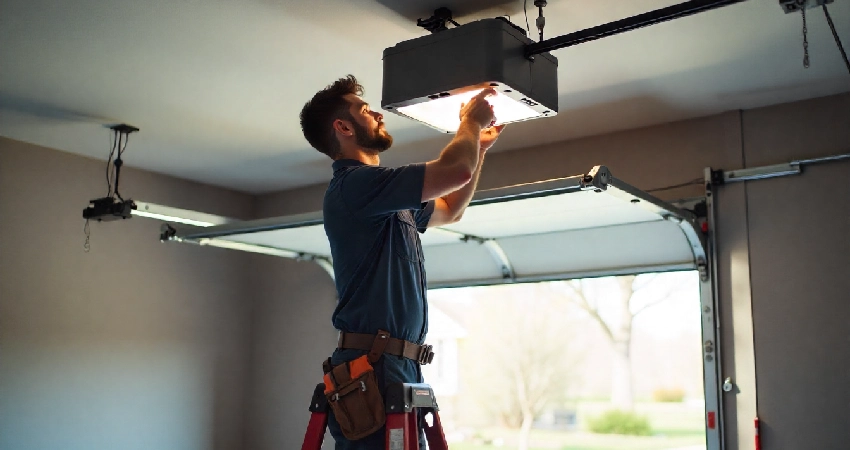
Some problems are easy to handle with a bit of patience. Others require specialized tools and a solid understanding of how garage doors work. Here’s when it makes sense to call a garage door professional:
Signs You Need Professional Help
- Broken torsion springs or cables
- The door is unbalanced or tilting
- No response from the opener or the wall switch
- Unusual noises continue after lubrication
- Tracks are visibly damaged
- The same issue keeps coming back after repeated attempts to fix it
What We Do
When you contact Jolly Goat Garage Doors, a professional technician will inspect your full system, including the opener motor, springs, tracks, rollers, and all moving parts. We measure how the door operates both manually and with the opener.
We’ll look for worn components, verify all safety settings, and offer real solutions that protect your equipment and save money down the road. And because we keep parts stocked in our trucks, we can often complete repairs in one visit!
Jolly Goat Garage Doors: Your Reliable Partner in Del City
Garage door headaches vary depending on the problem, but regular maintenance can help you avoid many of them. A friendly tip: lubricate moving parts a few times a year, clean the sensors, and inspect your garage door tracks and cables for signs of wear.
But even with regular maintenance, if something doesn’t feel right or you just want a second opinion, give Jolly Goat Garage Doors a call! We’re your local, jolly team of human experts in Del City garage door repair, and we’re here to help you keep things safe, secure, and running smoothly.