

Have you ever noticed rainwater, wind, snow, or dirt somehow finding their way into your garage? Maybe you’ve even spotted some critters crawling around, making a home for themselves on your garage floor. These issues could indicate that your garage door may not be as sealed off from the outside world as you thought. Annoying, right? But there’s no need to panic! You’re in luck because Jolly Goat Garage Doors has just the solution for that exact problem. Garage door weather stripping, or threshold seals, may be what you need to make sure your garage door frame has a tight seal against all sorts of outsiders.
Related Article: Top Garage Door Trends in 2024
Curious about what these garage door seals are? Let’s talk some more!
What Is Garage Door Stripping (Garage Door Seal)?
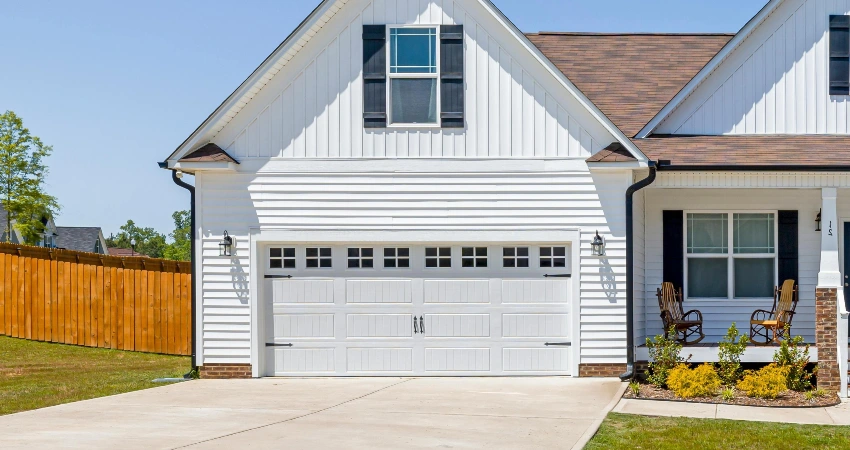
Garage door weather stripping (also known as a garage door threshold seal) provides your garage door with a solid barrier that effectively keeps unwanted elements out. It’s basically a way to weatherproof your garage door by covering up all the gaps and edges where rain, cold air, debris, and pests can sneak in. In turn, this prevents potential issues like water damage and pest infestation. With a garage door threshold seal installed, you can also improve your garage’s energy efficiency as the tight seal works well in regulating temperature by keeping the cold or heat out.
Why Your Garage Doors Need Weather Stripping
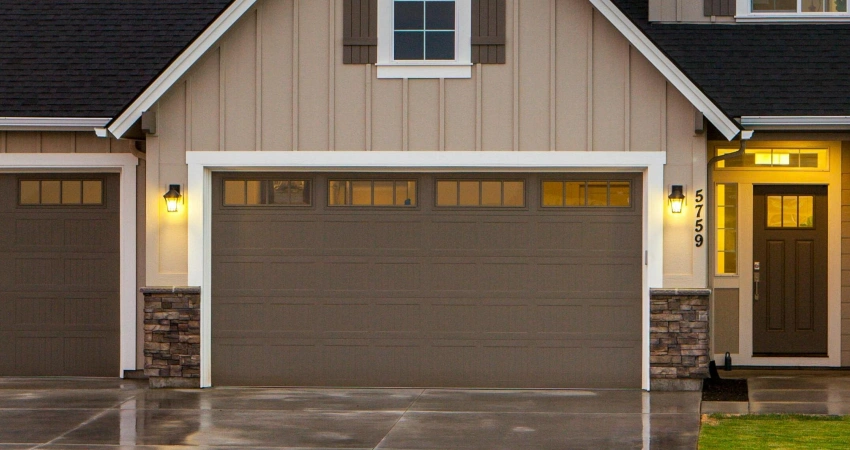
Weather conditions are unpredictable; it could be all well and sunny one day and then the next, you’re suddenly dealing with cold drafts and heavy rain! To protect your garage from the sudden (and sadly uncontrollable) onslaught of the elements, installing a flexible and durable weather seal is a simple solution for instant results. The sealing offers security and contributes to making your home more energy efficient. Ultimately, when you install garage door threshold seals, you secure your garage from the elements and keep your garage in better shape throughout the year.
Is Weather Stripping Suitable for All Garage Doors?
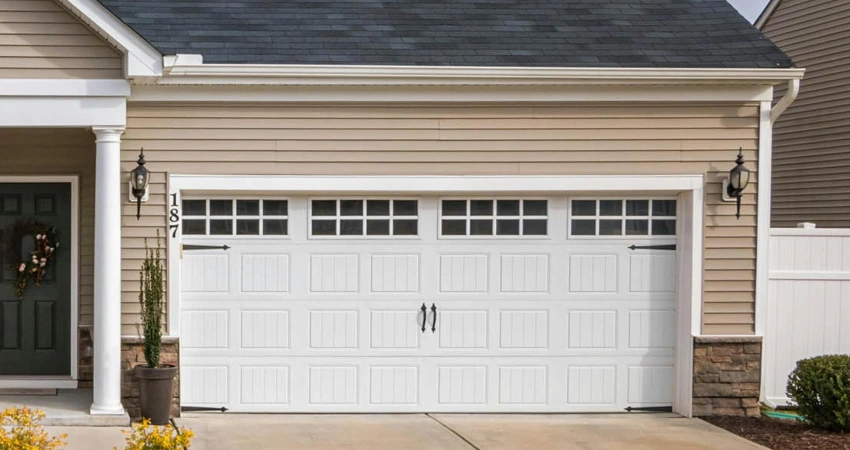
Weatherstripping works for all sorts of garage doors. There’s a wide range of garage door weatherstripping options you can choose from, allowing you to select the one that suits your garage door best, be it fiberglass doors, sectional doors, wood doors, roll-up doors, or aluminum doors.
Does Your Weather Stripping Need Replacement?
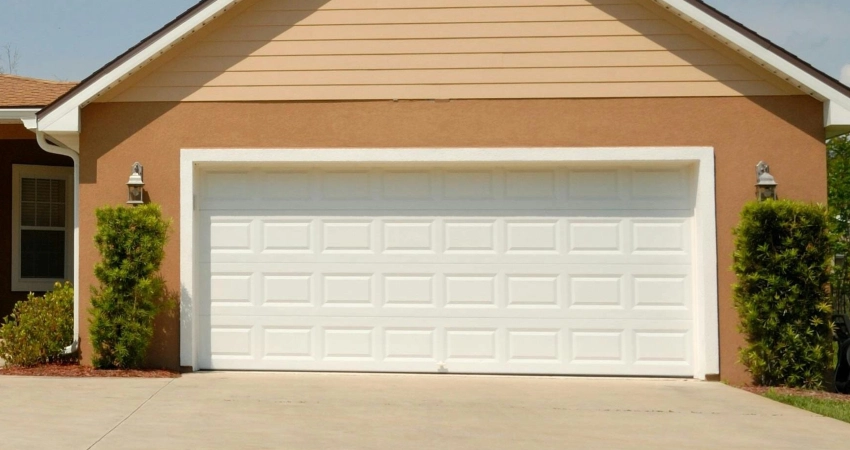
There comes a time when replacing weatherstripping becomes necessary. Although a garage door seal typically lasts for two to three years, its exposure to extreme temperatures, UV rays, moisture, and harsh weather can age it much faster than expected. To determine whether you need new weatherstripping for your garage doors, keep an eye out for these signs:
- If you spot cracks or gaps where the weatherstripping meets the door or frame.
- If you start noticing water leaking through the edges during rain or feel cold drafts in the winter.
- If the weatherstripping looks brittle and worn out.
In most cases, when you notice these types of damage on your garage door seal, it’s best to fully replace the weatherstripping rather than repair it, as repairing it only offers a temporary fix. By completely replacing weatherstripping, you can count on it to perform at its best and last for a long time.
How to Install Different Types of Garage Door Weather Stripping
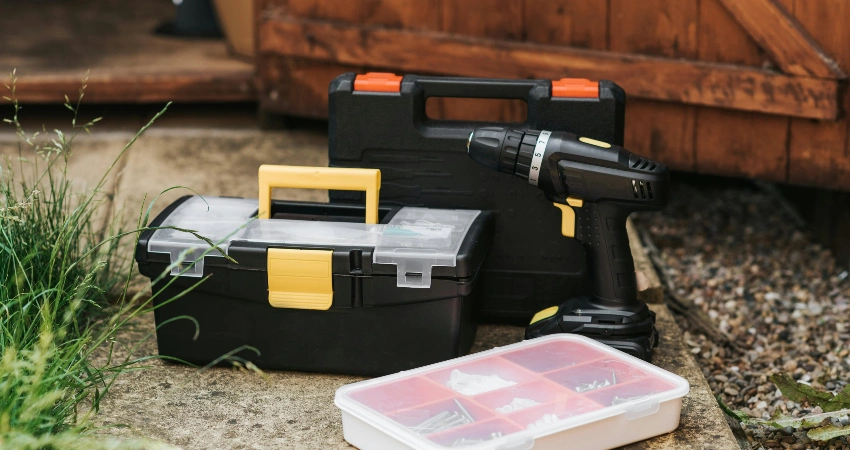
The sealing comes in rolls and cuts easily when you use tools like a utility knife. Stores usually sell weatherstripping with adhesive tape on its back, though some types of weather seal may require you to buy a separate adhesive or even nails and screws. The installation process differs slightly depending on what type of weatherstripping you’re installing, so take a look at our guide below for more specific instructions:
Top Seals (Header Seals) and Side Seals (Jamb Seals)
As the name suggests, top seals or header seals are located along the top of your garage door. On the other hand, side seals, also known as jamb seals, are attached to the sides of your garage door. The seals create a barrier between the gaps above and at the sides of your garage door and the outside world, keeping out rain, wind, snow, and critters. Top seals and side seals are attached directly to the door frame and firmly pressed against the trim for effective sealing.
To install the top and side garage door seals, use a measuring tape to gauge how long the strips need to be to cover the top and sides of your garage door. Then, make sure the three pieces fit properly by cutting the ends of the strips as needed, ensuring the edges where they meet sit flush against each other. Depending on the type of weather seal you’ve bought, you can attach them by using adhesive tape, galvanized nails, or aluminum screws (the latter two being highly resistant to rust).
Make sure you attach the jamb seals first, followed by the header seals which should overlap the side seals. When the door is closed, the external flange needs to make contact with the door along both the top and sides. Finally, the last step is to use caulk, silicone sealant, sealant putty, or waterproofing tape to fill the gap where the seal connects to the frame.
Bottom Seals (Threshold Seals)
The bottom seal (or thresholds) covers gaps and spaces along the bottom of your garage door—between the floor and the door. Thresholds are especially useful if your driveway slopes downward, leading rainwater straight to your garage door. With a threshold seal, you can block rainwater from entering through the gap at the bottom of your garage door.
In many cases, a bottom seal can easily fit most garage doors. You just have to measure these thresholds and cut them as needed. Similar to top and side seals, you’ll likely need an adhesive or some screws and nails to secure the garage door seals in place.
However, keep in mind that these bottom seals can be quite inconvenient if you like to hose out your garage floor. You’ll just have to temporarily open your garage door for that once the weatherstripping is installed.
Brush Seals
Brush seals are made up of a row of bristles. This type of weatherstripping is typically used along the top of the garage door, though many people also use it for the sides. As brush seals are more flexible, they effectively fill the space formed when the garage door bends inward. However, since it’s made of bristles, it’s still possible for debris, small critters, and outside air to get inside the garage.
To attach them, make sure you clean the surfaces of your garage door and remove any dirt and debris so your seals stick better. Make your measurements, cut the brush seal to match your measurements, and then press the adhesive tape along the edges of your garage door. Brush seals are commonly installed with adhesive tape, but you can also nail or screw them in place after to make sure they stay in place. Fill any gaps or spaces with caulk or silicone sealant and let dry.
V-Type Seals
While newer garage doors have interlocking edges that ensure there are no gaps between the door panels, older garage doors may need V-type seals to cover the spaces between their panels. To attach the V-type seals, measure and cut the strips as needed. Clean any dirt and debris from the inside of the panels and stick the V-type seals with adhesive. Place the seals between two panels and make sure they’re properly placed as you go.
Weather Stripping Materials
Vinyl Seals
Vinyl seals are a type of garage door weatherstripping that offers durability and can handle various weather conditions. They’re great at creating a tight seal around your garage door, helping keep the elements out. Opt for vinyl seals if you’re looking for something flexible, low maintenance, and affordable.
Foam Seals
Foam seals are made from closed-cell foam, meaning they compress to fill gaps and keep out moisture. Choose foam seals if you have uneven spaces or gaps around your door since foam seals can fill those spots more effectively. This material is also great for insulation which can help regulate your garage’s temperature.
Rubber Seals
Rubber seals are the most popular choice for weather stripping due to their flexibility and durability. They’re your top pick for heavy-duty use, weather resistance, and effective sealing. You can also expect rubber seals to last for a long time and survive tough conditions when you maintain them properly.
Maintenance Tips to Keep Your Weather Stripping in Top Shape
Regular Cleaning

You guessed it—the first rule of weather stripping maintenance is to regularly clean the seals. A simple wipe-down with a soft cloth dampened with a water and soap solution will do the trick. Try not to use harsh chemicals that will likely do more harm than good.
Lubricate
If you have rubber or vinyl seals, consider applying a light silicone lubricant to the material to prevent them from turning brittle. The lubricant can keep them flexible and ensure the seals are functioning as needed.
Check for Damage
Look for cracks, gaps, and tears that can compromise your sealing. Also, make sure the weather seal is still properly aligned and hasn’t moved since you first installed it. If you notice any of these issues, it’s best to address them as soon as possible to maintain a tight seal around your garage door. However, if the damage is too severe, it may be best to opt for a full replacement.
Jolly Goat Garage Doors Can Handle All Your Garage Door Needs!

The health of your garage doors—including the quality of your garage door weather stripping—can affect your mood for the rest of the day (or week!), and we always want our customers to be as jolly as we are. So, when it comes to garage door repair in Norman and Oklahoma City, our Jolly Goat team promises to bring a smile to your face by addressing all your garage door needs!
Give us a call at (405) 470-9659 today and we’ll be delighted to assist you!


