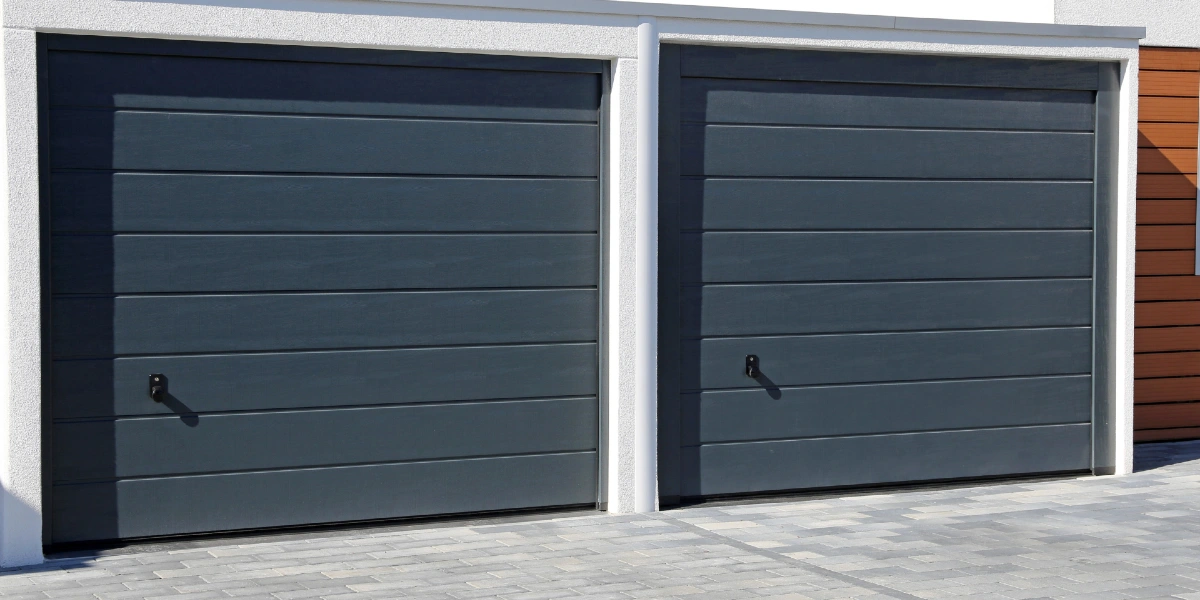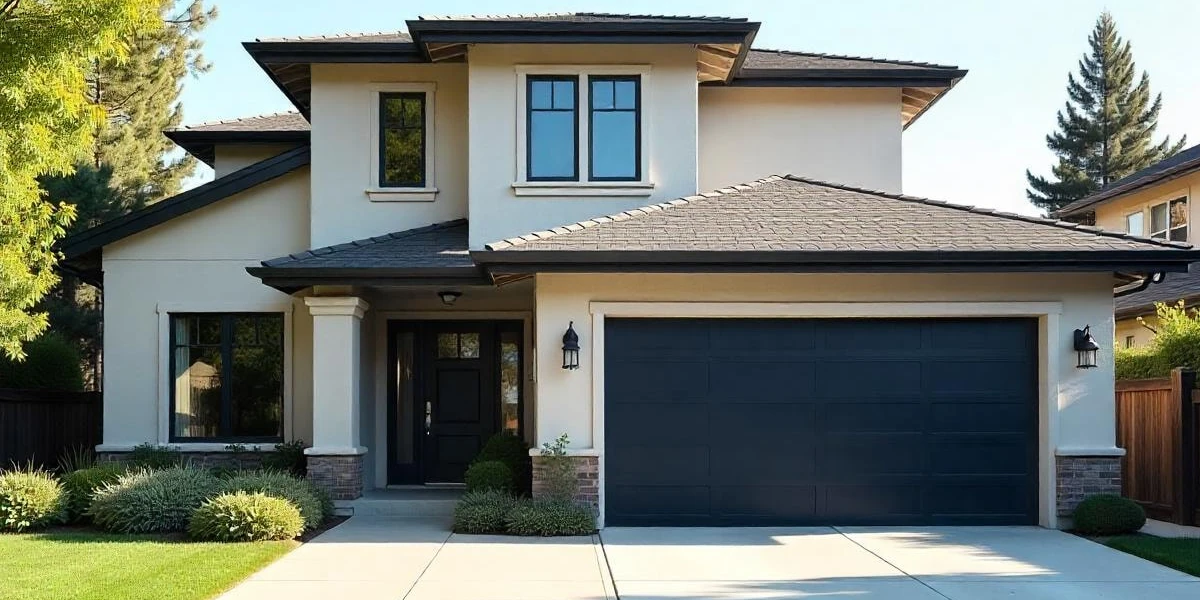

Your garage works harder than most people give it credit for. It protects your car, tools, storage boxes, lawn equipment, holiday decorations, and sometimes that one mystery bin no one wants to open. Whether you are planning a new garage, updating an old garage door, or improving a detached garage or attached garage, the garage door materials used for Broken Arrow homes matter
A good garage materials guide should not only talk about looks. Yes, curb appeal matters. Your garage is a big part of your home’s exterior, and the right door can make the whole house look cleaner and more put together. But the real win is choosing building materials that can withstand rain, snow, heat, wind, moisture, and daily use without turning today’s small issues into costly repairs later.
The best garage materials are durable, weather-resistant, properly sealed, and easy to maintain. They should protect the garage from water damage, rust, mold growth, cracking, and other moisture problems. They should also fit your budget, local weather conditions, and the way you use the space.
What Makes Garage Materials Weather Resistant?
Weather-resistant materials are made to stand up to the elements without needing constant attention from you. The key areas to watch are the garage door, garage walls, roof, windows, seals, and any ground-level spots where water can sneak in.
In Broken Arrow, that can mean materials that hold up through hot summers, heavy rain, strong winds, sudden temperature swings, and the kind of Oklahoma weather that keeps garage doors working overtime.
Moisture is usually the biggest troublemaker. Some materials absorb moisture, which can lead to swelling, mold, mildew, rust, or rot. If the garage walls, door, roof, or ground-level edges are not properly sealed, moisture issues can spread. A small damp spot today can turn into mold growth, peeling paint, structural integrity concerns, or bigger repairs later.
Heat and cold matter too. If your garage is attached to the house, insulation can help reduce temperature swings and keep nearby rooms more comfortable. The R value of insulation tells you how well it resists heat flow. A higher R value can be helpful if you use the garage as a workshop, gym, laundry area, or storage space.
Impact resistance is another thing to consider. A garage door can take hits from wind, debris, hail, basketballs, bikes, and daily family traffic. Some materials dent easily, while others are more impact resistant. The goal is to choose materials that match real life, not just the showroom photo.
Best Garage Door Materials for Durability and Style

The garage door is the star of the show. It is one of the largest moving parts of your home, and it is usually one of the first things people notice from the street. Choosing the right garage door materials can improve aesthetic appeal, help protect the garage, and reduce maintenance over time.
- Steel garage doors are one of the most popular options for many homeowners. Steel is strong, durable, widely available, and often more affordable than other materials. It can also be paired with insulation, which is helpful for an attached garage. That said, steel is not completely maintenance-free. If the protective coating is scratched and the metal is exposed, rust can form. Thinner steel panels can also dent after a hard impact, so thickness, insulation, and construction quality matter.
- Vinyl garage doors are another strong choice, especially for homeowners who want minimal maintenance, rust-resistant, and moisture-resistant performance. Vinyl does not rust, and it handles damp weather better than wood. It is a smart option in coastal areas or places where rain, humidity, and salt air can create rust problems.
- Wood garage doors have a charm that is hard to beat. They add warmth, character, and a classic look that can make a home feel custom and inviting. But wood is also the “keep an eye on me” option because it requires more maintenance than many other materials. If it is not properly sealed, it can absorb moisture, which may lead to cracking, swelling, mold, or water damage.
- Fiberglass garage doors can offer a lighter option with good moisture resistance. Fiberglass can mimic the look of wood without the same risk of rot. It may be a good fit for humid climates, though it is not automatically the best garage door material for every project. In very cold weather or high-impact areas, steel may still be the stronger option.
So, what is the best garage door material? The honest answer is that it depends on the following factors: climate, budget, style goals, maintenance preferences, and insulation needs. For many homes, insulated steel is practical. For coastal areas, vinyl or fiberglass may be better. For homeowners who love natural charm and do not mind upkeep, wood can still be a winner.
Garage Walls and Interior Materials

Garage walls do more than hold up shelves and catch the occasional scuff mark. They help protect the structure, support storage, and affect how the garage handles moisture, air, and heat.
- Drywall is common in many garages because it is affordable and familiar. In an attached garage, drywall may also be part of the required separation between the garage and the house, so always check local code before replacing it with other wall materials. The downside is that regular drywall does not love moisture. If water gets behind it, mold growth and damage can happen.
- Plywood is another common choice, especially for homeowners who want stronger walls for hooks, shelves, and tools. Plywood can handle impact better than drywall, which makes it useful in a busy garage. But because it is made from wood, it can still absorb moisture if left exposed. Paint, sealant, or another protective coating can help maintain durability and reduce moisture problems.
- Some homeowners choose moisture-resistant panels for garage walls. PVC panels, fiberglass-reinforced panels, and other water-friendly wall materials can be easier to clean and better suited for damp garages. These materials are especially useful if your garage is exposed to rain, snow, wet boots, lawn equipment, or dripping vehicles.
The best wall material depends on how the garage is used. A simple storage garage may not need the same wall system as a workshop or home gym. If the space gets a lot of use, durable and moisture-resistant walls can help prevent repairs and keep the garage looking cleaner.
Roofing, Exterior, and Ground-Level Protection

Your garage roof takes the first hit from sun, rain, wind, and snow. That makes roofing material an important part of any garage materials guide. Asphalt shingles are common and budget-friendly, especially when they match the main house.
Metal roofing can also be a durable choice. When installed correctly, it can shed rain and snow well and withstand long-term exposure. In areas with hail or strong storms, impact-resistant roofing may be worth considering. A strong roof helps protect the structure underneath and keeps moisture from reaching the walls, insulation, and ceiling.
The exterior details matter too. Siding, trim, windows, seals, and the bottom edge of the garage all work together. If windows are drafty or gaps around the door let in water, your garage can develop moisture issues even if the main materials are strong.
Concrete floors also need attention. Concrete is tough, but unsealed concrete is porous. That means it can absorb moisture, oil, salt, and stains. A protective coating like epoxy or another garage floor coating can help protect the surface, make cleaning easier, and improve the light inside the garage.
Ground-level areas are easy to overlook. Rain often enters where the garage door meets the concrete. A good threshold seal, bottom seal, and proper drainage can help keep water out. It is not fancy, but it works.
Insulation and Sealing Make a Big Difference
Even the best materials need good installation and sealing. A garage door with poor seals can let in air, dust, pests, and moisture. Garage door weatherstripping, bottom seals, side seals, and top seals help close the gaps.
Insulation is also worth considering, especially for an attached garage or any garage you use as more than a quick parking spot. It can help reduce heat transfer, improve comfort, and protect items stored inside. Fiberglass insulation is common and affordable. Rigid foam can offer a good R value in thinner spaces, which is helpful when wall depth or garage door space is limited. Spray foam can seal gaps well, though it usually costs more and is often handled by professionals.
If your garage has moisture problems, insulation should be chosen carefully. Wet insulation can lose performance and create mold concerns. That is why air sealing, ventilation, and moisture-resistant materials all need to work together.
How to Choose the Right Materials for Your Garage
Choosing garage materials does not have to feel like a huge construction project. Start with your local weather conditions. If your area gets a lot of rain, focus on moisture-resistant and properly sealed materials. If you live near the coast, choose rust-resistant options like vinyl, fiberglass, coated steel, or corrosion-resistant hardware. If you deal with snow, look at insulated doors, durable seals, and floor protection.
Next, think about how you use the garage. A garage that only stores a car has different needs than a garage used as a workshop, workout area, or hobby space. If you spend time in there, insulation, light, windows, and finished walls become more important.
Then, be honest about maintenance. Some materials need regular care. Wood needs sealing, paint, and periodic inspections. Steel needs touch-ups if the coating is damaged. Vinyl needs very little upkeep. Other materials may cost more upfront but save time and repairs later.
Finally, think about the look. Your garage door should complement the house, not fight with it. The right color, panels, windows, and exterior finish can create a clean, welcoming look while still giving you strong weather protection. Post-installation care matters too, so plan for simple seasonal checks around the whole garage.
Common Garage Material Mistakes to Avoid
One common mistake is choosing only by appearance. A garage door might look great on day one, but if it cannot withstand your weather conditions, it may lead to repairs faster than expected.
Another mistake is ignoring moisture. Water damage can start quietly. If walls, wood, concrete, or seals are exposed to moisture for too long, mold, rust, and cracking can follow.
Some homeowners also skip insulation and later realize the garage gets too hot, too cold, or too uncomfortable to use. Others choose the cheapest materials upfront, only to pay for it later through more maintenance, repairs, or early replacement.
The better move is to balance cost, durability, style, and maintenance from the beginning.
FAQs About Garage Materials
What are the most weather-resistant garage materials?
Steel, vinyl, fiberglass, sealed concrete, moisture-resistant wall panels, and properly coated exterior materials are strong choices. The best option depends on your climate and how your garage is used.
Are steel garage doors low maintenance?
Yes, steel garage doors are generally low maintenance when they have a quality protective coating. They should still be cleaned and inspected so scratches or exposed metal do not turn into rust.
What garage material is best for moisture problems?
Vinyl, fiberglass, PVC panels, sealed concrete, and properly coated steel are good choices for moisture resistance. For example, vinyl garage doors can be helpful in damp or coastal areas because they do not rust like exposed metal. Wood can work, but it must be properly sealed and maintained.
Are wood garage doors a bad idea?
Not always. Wood garage doors can be beautiful and long-lasting with the right care. They just require more maintenance than steel, vinyl, or fiberglass.
Should I insulate my garage?
Insulation is a good idea if your garage is attached to the house, used often, or exposed to extreme heat or cold. It can help improve comfort and protect stored items.
Ready to Find the Perfect Fit?
The best garage materials are not always the fanciest or the most expensive. They are the materials that fit your home, your weather conditions, your budget, and your patience for maintenance.
Need help choosing a garage door that can handle Broken Arrow weather and still look jolly good from the curb? Reach out to Jolly Goat Garage Doors at 405-480-2306 for honest guidance and a free estimate. Go with the Goat, and let’s make your garage door one less thing to worry about.