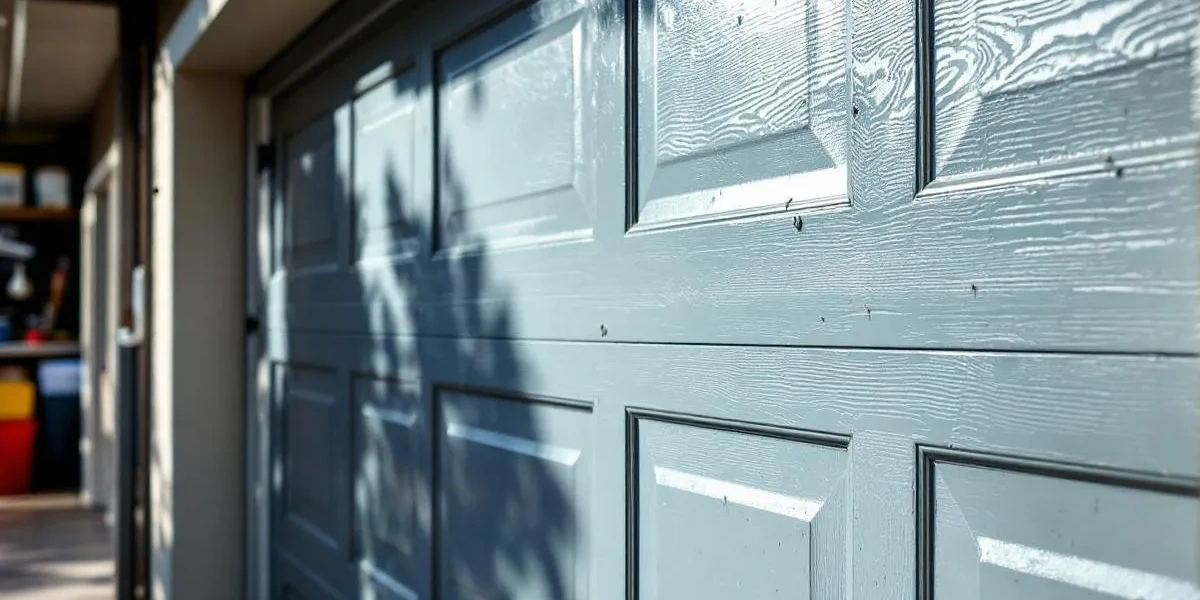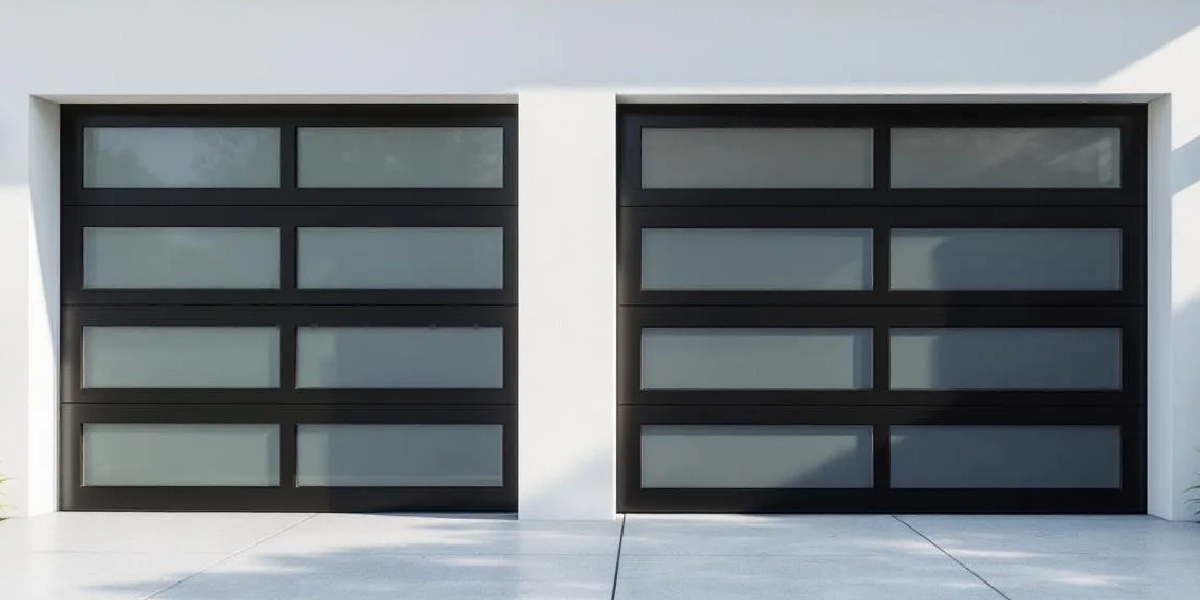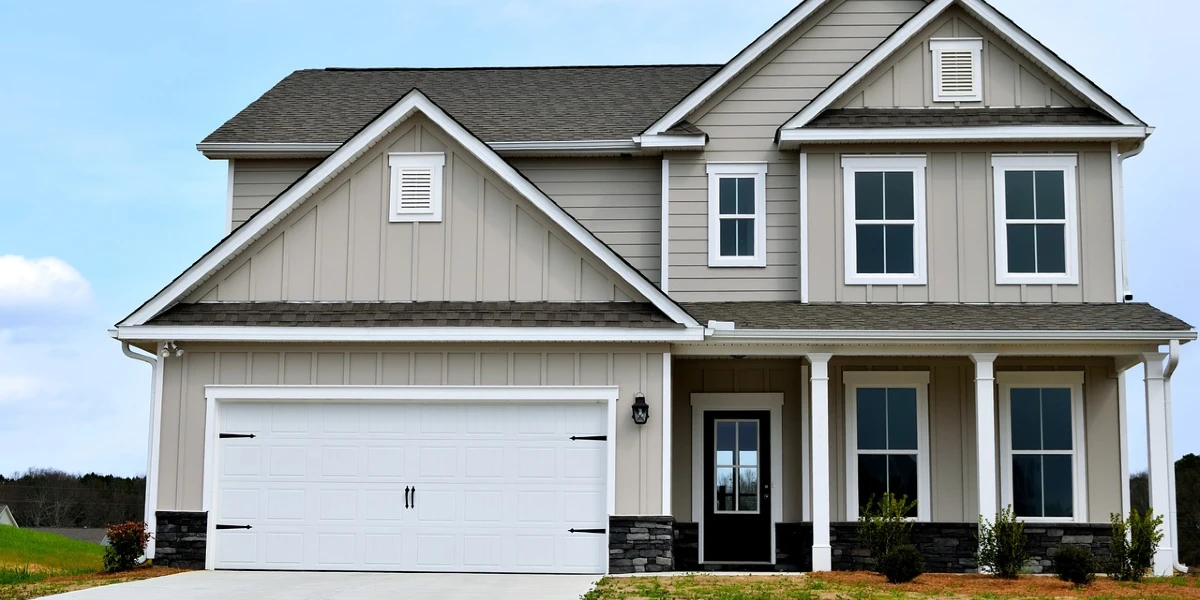

A garage door does a lot of quiet work. It protects what is inside, opens on command, and takes up a big part of the front of your home. When it is time for a new garage door, the installation deserves more attention than homeowners realize.
This garage door installation guide gives Piedmont homeowners a look at how Jolly Goat Garage Doors handles the job. It is not a set of DIY installation instructions. Garage doors are heavy, springs under tension are dangerous, and a section can shift or fall when the system is handled incorrectly. The work calls for professional training, proper tools, and careful safety checks.
First Things First: Measuring the Opening
A smooth installation starts before the old door comes down. Our installer confirms the opening’s size and condition. We take measurements across the width and height, then check the room on both sides, the headroom above the door, and the backroom needed for the tracks.
Next, we check whether the floor and header are level, the side jambs are plumb, and the opening is square. If rot, loose framing, or an uneven surface is found, we explain the issue before moving ahead. Preparation helps ensure a proper fit and operation.
We put those measurements in a simple job table, so there is no guessing when it is time to locate the hardware and get to work.
Removing the Old Door Safely
Taking down an existing door is not the part where homeowners should jump in. The springs can remain under high tension, and the connected cables and brackets can move violently if released, even when the door is fully closed.

Our technicians disconnect the opener, secure the door, and remove each section in a controlled order. Homeowners should never place hands near tensioned cables, loosen bottom brackets, or attempt to remove torsion or extension springs. When those parts release unexpectedly, the result can be dangerous.
Jolly Goat technicians follow the manufacturer’s instructions and proven safety procedures. Once the old garage door, tracks, and lifting hardware are removed, we check the opening again.
Getting the Opening and Hardware Ready
Before installation begins, we lay out the parts and tools needed for the system. Depending on the model, that may include drills, sockets, wrenches, screwdrivers, ladders, locking pliers, C-clamps, hinges, rollers, cables, fasteners, and support brackets.
Using the proper tools helps prevent stripped fasteners, unstable sections, and avoidable delays during the work. You may see clamps attached to the tracks or opening. They temporarily secure a section while the installer positions the next part.
Installing the Door Sections
Most sectional garage doors go into place from the bottom upward. We identify the lower, or bottom, section, attach the manufacturer-specified seal and hardware, and carefully place it in the opening. Before it is secured, we center it and check it with a level.
The remaining panels are added one at a time. Each hinge and roller must be installed in the correct location based on the manufacturer’s guide. Our technicians keep their hands clear of panel joints, where a shifting section can create a serious pinch point.
From the driveway, this part of door installation may look simple. It is not. The panels are bulky, and a small alignment mistake can affect the entire operation. We check the alignment after each step before adding the next door section.

Aligning the Tracks
Once the sections are in place, we install the vertical, curved, and horizontal tracks. They need to be plumb, parallel, and evenly spaced on both sides of the door.
Our installer fastens the tracks and support brackets to solid framing rather than drywall or trim. Where the installation instructions allow, some track hardware remains slightly loose during alignment and is tightened after both sides are plumb and parallel.
Poor track alignment can cause scraping, noisy movement, roller wear, or uneven door balance. We check the full travel path before moving to the spring system.
Handling Springs Is Professional Work
Springs do the heavy lifting behind the scenes. Depending on the door, the system may use torsion springs or extension springs. Both store enough energy to cause severe injury when handled incorrectly. Extension springs should also have safety containment cables that help control the spring if it breaks.
This is where the DIY project needs to stop before it starts. Household tools, online videos, and good intentions are not substitutes for professional training. Never adjust spring tension or release cables on your own.
Our technicians follow model-specific instructions, use professional equipment, and inspect the cables, anchors, brackets, and either the drums or pulleys used by that spring system.
Testing Door Balance and Operation
Before connecting the opener, we test the door by hand. It should lift smoothly, stay controlled, and show proper door balance. If it drops, shoots upward, binds, or sits unevenly, we make adjustments before powered operation begins.
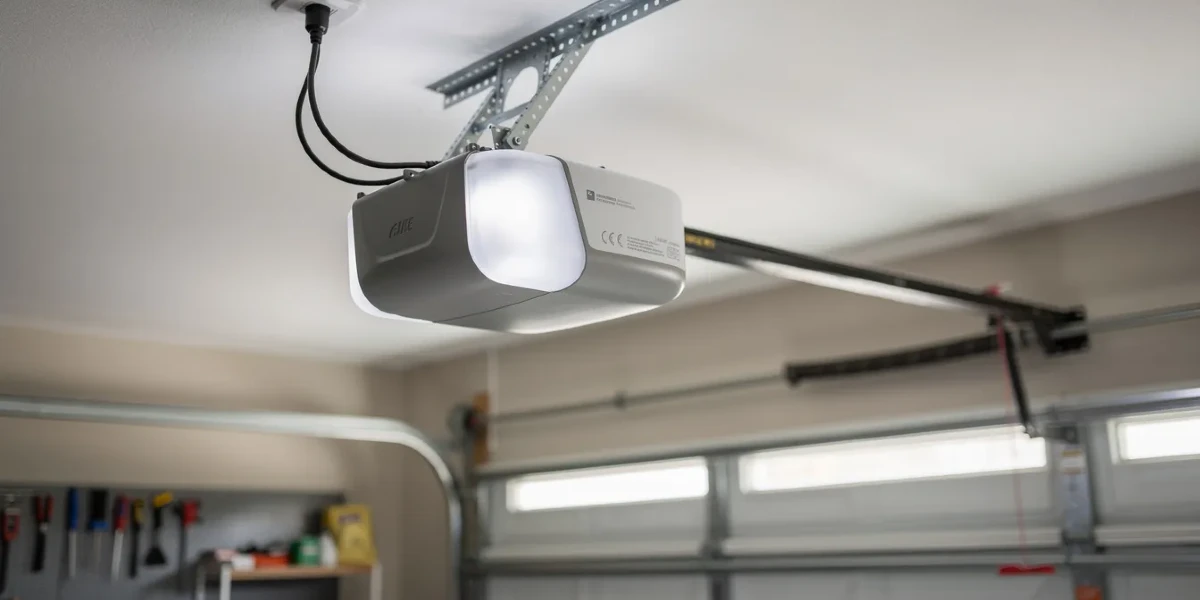
A garage door opener is optional. If the project includes one, we connect it only after the door passes the manual balance test. After connecting it, we test the travel limits, safety sensors, automatic reversal, wall controls, and remotes.
We finish with an important check of the fasteners, rollers, tracks, cables, springs, and brackets. We also show the homeowner how to operate the door and explain what normal movement should look and sound like.
A Jollier Way to Get a New Garage Door
At Jolly Goat Garage Doors, we believe homeowners deserve real answers, friendly service, and work done right. We provide professional garage door installation in Piedmont, along with opener installation, spring repair, maintenance, and garage door repair.
The goal of this guide is to show you what happens during installation, not send you into the garage to wrestle with heavy sections and tensioned springs. When your home needs a new garage door, contact our team at 405-901-1214, and they can handle the measurements, installation, final test, and cleanup. You get a door that looks good, works smoothly, and is ready to earn its keep.