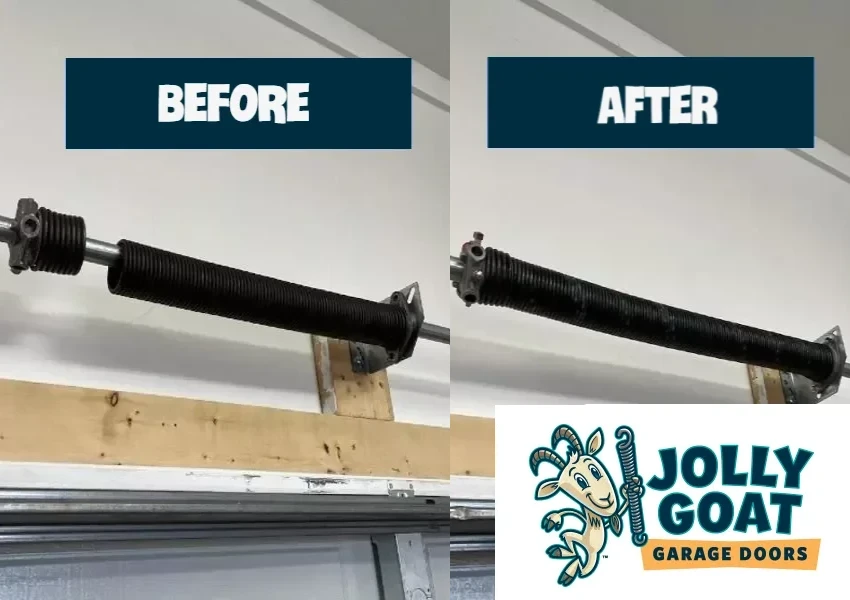

Your garage door is one of the hardest-working parts of your home and one of the most overlooked. For homeowners in Warr Acres, understanding how your garage door system operates is not just useful knowledge. It is essential for staying safe. At the heart of that system are extension springs, powerful components that store energy and make it possible for your door to lift and lower with ease. When they work, you barely notice them. When they fail, the results can be dangerous and costly. This extension spring safety guide from Jolly Goat Garage Doors is designed to help you understand how these springs work, recognize warning signs of wear and failure, and know exactly when to call certified technicians for professional garage spring replacement in Warr Acres.
Understanding the Two Main Types of Garage Door Springs
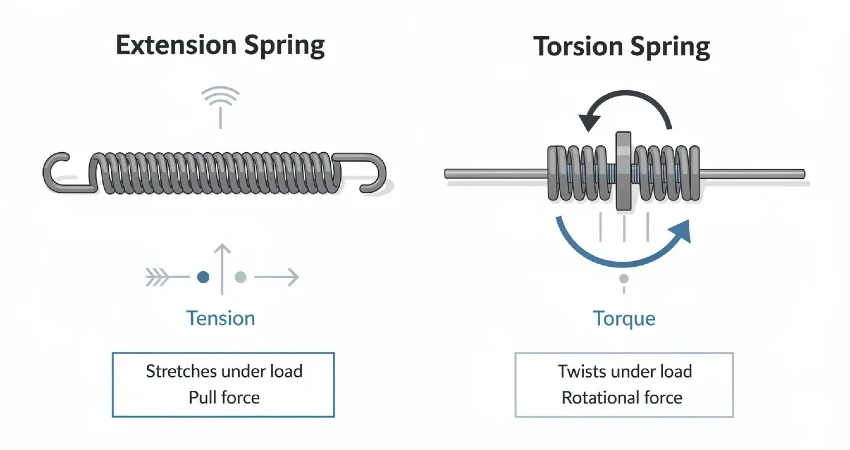
Before diving into safety tips and maintenance, it helps to understand your spring types. There are two main types used in residential garage doors: extension springs and torsion springs. Both serve the same basic purpose. They counterbalance the door’s weight so that the garage door opener does not have to do all the heavy lifting. However, they work quite differently.
Torsion springs are mounted horizontally above the door opening and work by twisting to store energy. They are generally considered more durable and are common in newer installations. Garage door extension springs, on the other hand, are mounted on either side of the door and run parallel to the horizontal tracks. They stretch and contract as the door opens and closes. Because of this stretching action and the tension involved, extension springs carry significant safety risks if they are not properly installed, maintained, or replaced.
Related Article: Hot Weather Garage Door Maintenance Tips for Warr Acres Homeowners
How Garage Door Extension Springs Store Energy and Operate
Garage door extension springs are attached at one end to a fixed anchor point and at the other end to a pulley and cable system connected to the door. When the door closes, the springs stretch under tension and store energy in the coils. When the door opens, that stored energy is released, helping to pull and lift the door’s weight. This is why the door opens and closes smoothly when everything is working correctly.
The spring’s diameter, length, and wire gauge must be precisely matched to the weight of the door. Using the wrong spring size or a worn-out spring creates imbalance and causes uneven tension across the moving parts. A properly balanced door is crucial not only for smooth movement but also for the longevity of your garage door opener, rollers, cables, and tracks.
The Real Dangers of Extension Spring Failure
Extension springs are under tremendous tension whenever your door is in use. When a spring breaks, and eventually every spring does, it does not quietly give out. A broken spring can snap with a loud bang and send sharp metal coils flying across your garage at high velocity. This is not a worst-case scenario. It is a common reality of spring failure. The risk of serious injury to anyone nearby is very real.
Beyond the snap itself, a broken spring throws off the entire balance of your garage door system. Without proper spring tension on both sides, the door can drop suddenly, become stuck, or close unevenly. If your door was open when the spring breaks, it may come crashing down. This creates a serious hazard to people, pets, and vehicles below. This is why knowing the clear signs of spring trouble and acting quickly is so important.
Warning Signs Your Extension Springs Are Failing
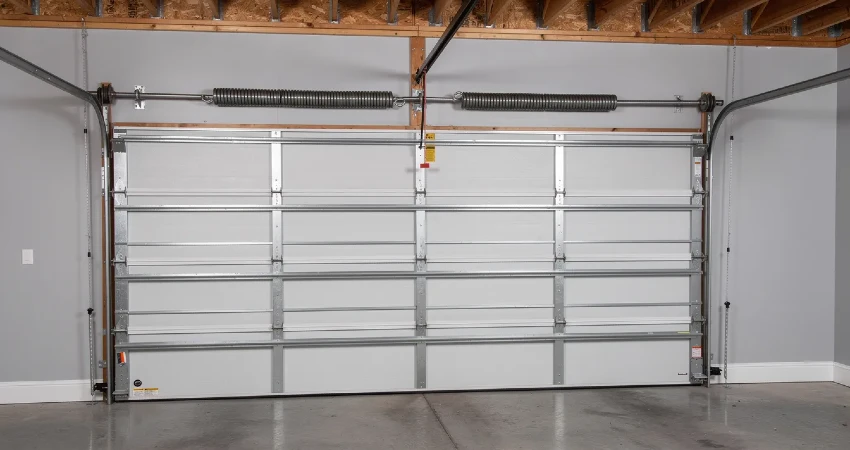
As a Warr Acres homeowner, you should regularly pay attention to how your door operates. These are the clear signs that your garage door extension springs may be wearing out or approaching failure:
- The door feels unusually heavy when you try to lift it manually, suggesting the springs are no longer carrying the door’s weight.
- The door opens or closes unevenly, with one side higher than the other. This is a sign of unequal tension in the springs.
- You hear squeaking, grinding, or a sudden loud bang from the garage area, which may indicate spring failure or imminent breakage.
- The door moves sluggishly or struggles to stay open, indicating the springs are not storing or releasing energy efficiently.
- You can see gaps in the coils of the spring, or the spring looks stretched, rusty, or deformed. These are all signs of significant wear.
- The garage door opener strains loudly to operate the door, suggesting the springs are no longer providing adequate lift.
- The door does not close smoothly and seems to bounce or jerk during operation.
If you notice any of these warning signs, do not wait. Contact a professional immediately to inspect your garage system before a full spring failure occurs.
Why Extension Spring Safety Cables Are Non-Negotiable
One of the most important and most often overlooked safety components in a garage door system with extension springs is the safety cable. Extension spring safety cables run through the center of each spring and attach at both ends to the door track and anchor point. Their job is simple but crucial. If a spring breaks, the safety cable contains the broken pieces and prevents them from launching across the garage.
Without safety cables in place, a snapping spring becomes a dangerous projectile. Every extension spring system should have these cables installed, and homeowners should check that they are secure, properly tensioned, and free from fraying or damage during regular inspection. If your garage door extension springs are older and you are unsure whether safety cables are installed, have a technician check during your next service visit.
DIY Extension Spring Work: Why It’s So Dangerous
It’s tempting for a capable homeowner to tackle garage door repairs as a DIY project. After all, many home maintenance tasks are well within the average person’s skill set. Extension spring replacement, however, is a different matter entirely. These springs are under extreme tension. The tension is strong enough to cause serious injury or even death if they slip, snap, or release unexpectedly during installation or removal.
Unlike replacing a lightbulb or patching drywall, working with garage door springs requires specialized knowledge, the right tools, and experience handling high-tension components. Locking pliers, safety cables, and winding bars are essential tools. However, even with the right tools at hand, improper technique can result in catastrophic spring failure during the repair. Unless you have professional training, this is not a project to attempt on your own. The risk simply is not worth it when certified technicians can handle the job safely and efficiently.
Maintenance Tips to Extend the Life of Your Extension Springs
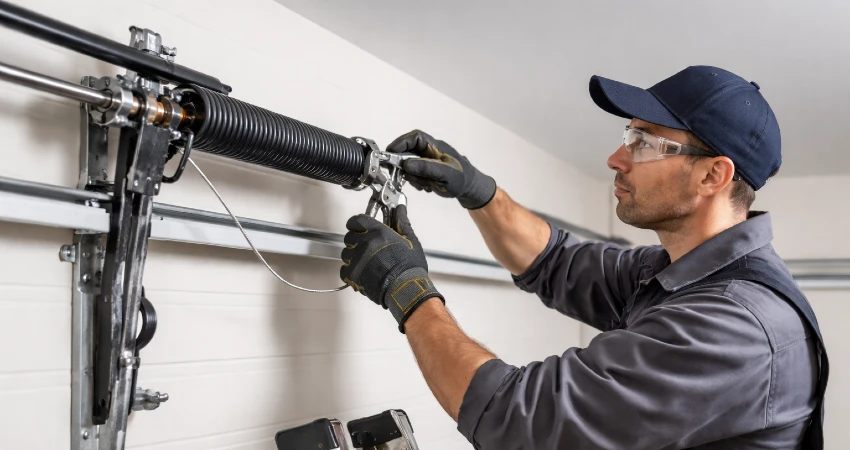
Regular maintenance is the best way to prevent premature wear and unexpected spring failure. Here are key maintenance tips every Warr Acres homeowner should follow to keep their garage door system operating safely:
- Lubricate the coils of your extension springs every three to six months using a silicone-based lubricant or garage door spray. Avoid WD-40, which can dry out over time and contribute to rust.
- Inspect the springs, cables, rollers, and S hooks regularly for signs of rust, fraying, cracking, or deformation. Catching these signs early can prevent a sudden broken spring situation.
- Test the balance of your door monthly. Disconnect the opener and manually lift the door to about waist height. A properly balanced door should stay in place without assistance. If it falls or rises on its own, the spring tension needs adjustment.
- Check the safety cables to make sure they are properly threaded through each spring and that both ends are securely attached.
- Keep the tracks clean and free of debris that could interfere with smooth movement and put extra strain on the springs.
- Schedule a professional inspection at least once a year. A technician will check the entire garage system, including extension springs, cables, pulleys, rollers, and the garage door opener, to identify anything that needs attention before it becomes an emergency.
When to Replace Your Garage Door Extension Springs
Most garage door springs are rated for a certain number of cycles. Standard springs are typically rated for about 10,000 cycles, which usually means roughly seven to nine years of average use. If your springs are reaching this age range, or if you notice any of the warning signs mentioned earlier, it is time to plan for replacement rather than wait for a failure.
Always replace both extension springs at the same time, even if only one is visibly broken. Because both springs have operated under the same conditions for the same amount of time, the second spring is likely close behind in wear. Replacing only one creates unequal tension, puts excess strain on the new spring, and usually means you will be dealing with another broken spring very soon. For quality, long-lasting results and your family’s safety, it is best to invest in replacing the pair.
For residents in Warr Acres, working with a local specialist for garage spring replacement in Warr Acres ensures the right spring diameter and tension rating is matched to your specific door’s weight and configuration. Generic hardware store springs often fail to provide the correct fit and balance needed for safe operation.
Choosing the Right Professional for Garage Spring Replacement in Warr Acres
Not all garage door companies are created equal. When it comes to extension spring work, you want certified technicians who have hands-on experience with a wide range of spring types, door configurations, and garage systems. Here’s what to look for when choosing a service provider in the Warr Acres area:
- Verified certifications and training in garage door installation and repair
- Experience working with both extension springs and torsion springs
- Transparent, upfront pricing with no surprise fees
- Strong local reviews and a reputation for quality work and customer satisfaction
- Willingness to explain the repair process and answer your questions
- Use of quality, properly rated replacement parts designed to match your door’s weight and dimensions
A trustworthy company will also take time to inspect your entire garage door system, not just the springs, to flag anything that could lead to issues down the road. Peace of mind is part of the service.
Keeping Your Warr Acres Home Safe
Here’s a quick recap of what every Warr Acres homeowner should remember about extension spring safety:
- Extension springs store energy and play a crucial role in helping your door open and lift smoothly. They are not a minor component.
- Know the two main types of springs, extension and torsion, and understand how your specific garage system operates.
- Watch for warning signs like uneven movement, rust, loud bangs, and a heavy-feeling door.
- Always ensure extension spring safety cables are installed and in good condition.
- Never attempt DIY spring replacement. The tension involved makes this a job for certified technicians only.
- Follow regular maintenance tips and schedule annual professional inspections.
- When it is time to replace, invest in quality springs that are properly matched to your door’s weight and diameter.
For reliable garage spring replacement in Warr Acres, trust a local company with proven experience, great reviews, and a commitment to your home’s safety.
Your garage door works hard every single day. Give it — and the springs that carry its weight — the attention they deserve. Stay safe, stay informed, and when in doubt, call a professional.
Ready to schedule your garage spring replacement in Warr Acres? Contact Jolly Goat Garage Doors today for same-day service, expert repairs, and the peace of mind that comes from knowing your home is safe and secure. Call (405) 367-3129 or visit jollygoatgaragedoors.com to get a free estimate.