

Here at Jolly Goat Garage Doors, we get a lot of garage opener battery replacement questions from homeowners in Midwest City, and the answer is often simple: if your opener is acting weird, showing a flashing or solid orange LED, or not working right during a power outage, a low battery is often the cause. In many cases, replacing the opener battery is a quick, affordable fix that gets your garage door working properly again without an unnecessary repair call.
So we put together this friendly, no-nonsense guide to help you identify the signs of a low opener battery, understand the difference between remote batteries and backup batteries, find the right replacement, and swap it out safely yourself. If the battery is not the problem, we will also point out when it is time to call for professional garage door repair.
How to Tell Your Garage Opener Battery Is Running Low
Your garage door opener is pretty good at telling you when something’s up, if you know what to look for. A flashing orange LED indicates a low battery, which is your opener’s way of giving you a friendly heads-up before things get worse. If you notice a solid orange LED, that also means the battery is running low, and it’s time to start shopping for a replacement.
Sometimes the signs are a little sneakier. A stuck garage door may signal a battery issue, especially if your door hesitates, reverses unexpectedly, or just refuses to budge during a power outage. If your garage door opener seems to have lost its pep, don’t panic and don’t assume you need a full system overhaul. Try the battery first. It’s often the simplest and most affordable fix, and it’s one our team at Jolly Goat handles all the time.
What Kind of Battery Does Your Garage Door Opener Use?
Not all batteries are created equal, and your garage door opener may use more than one type depending on the component.
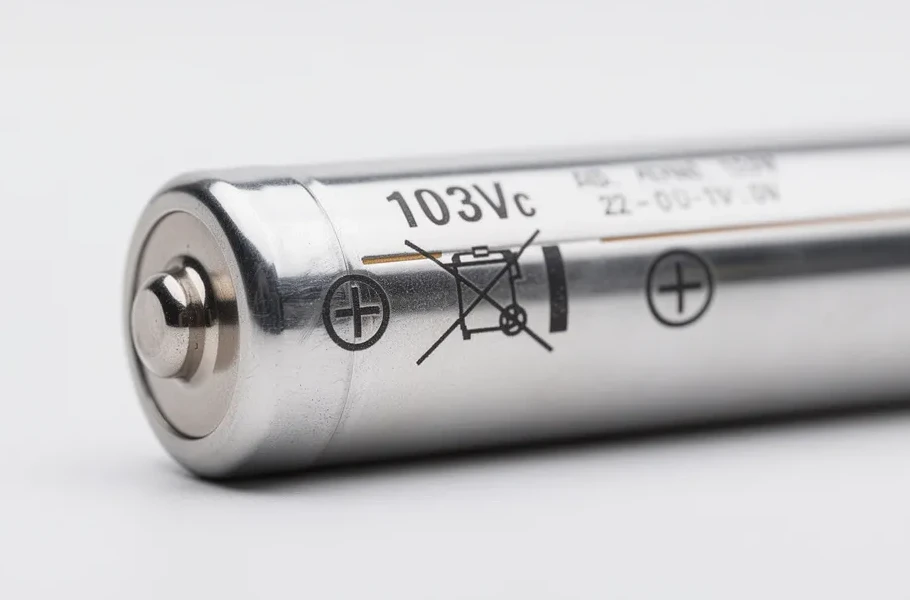
- Backup batteries built into the opener’s motor unit are commonly 12V sealed lead-acid (SLA) batteries, with capacities that typically range from 4.5Ah to 8Ah. These are the batteries that keep your garage door opener working even during a power outage, which many newer garage door openers now include as part of updated safety regulations.
- LiftMaster garage door openers specifically use a 485LM battery for their backup systems, and most LiftMaster batteries last between one and two years with regular use.
- Handheld remote controls typically rely on small coin-cell or alkaline batteries. Many remotes use a CR2032 lithium coin cell, while older or universal keypads and remotes often call for an A23 12V alkaline battery instead.
Because there’s a bit of variety out there, it’s worth checking your owner’s manual or the old battery itself before you head out to buy a replacement. Most garage door batteries last one to two years, so if it’s been a while, that low battery warning probably isn’t a fluke.
Where to Find a Replacement Battery
The good news is that garage door opener batteries are easy to track down. Home improvement stores like The Home Depot or Lowe’s typically stock the most common opener and backup batteries, and you can usually find what you need without much hunting. Batteries Plus is another great local option, since they specialize in both small remote coin batteries and the larger backup batteries used in the opener unit itself. Of course, garage door opener batteries can also be purchased online if you’d rather have one delivered right to your door.
Step-by-Step: How to Replace the Battery
Ready to give your garage door opener a fresh start? Here’s how our team at Jolly Goat recommends tackling the job. Battery replacement is simple and requires basic tools, so most homeowners can handle it themselves in just a few minutes.
Step 1: Safety First. Before you touch anything, disconnect the garage door opener from the wall socket. Cutting the power is a non-negotiable safety step, since you don’t want the opener engaging while you’re working inside it. We also recommend you use gloves and safety eyewear during battery replacement, especially when handling the larger 12V sealed lead-acid backup batteries, which can be heavier and bulkier than a standard remote battery.
Step 2: Locate the Battery Compartment. For the backup battery, this is usually housed inside or near the motor unit. For remote controls and keypads, you’ll typically find a small back cover that pops or slides open. A screwdriver may be needed to remove the cover on certain remote models or opener housings, so keep one handy.
Step 3: Remove the Old Battery. Carefully remove the old battery, taking note of how it’s oriented and connected. Snap a quick photo with your phone if you want an easy reference for reinstalling the new one. This step matters more than people expect, since reversing polarity or reconnecting things incorrectly can cause the opener or remote control to malfunction.
Step 4: Insert the New Battery. Insert the new battery with correct terminal connections, matching the positive and negative markings exactly as they were on the old one. Whether you’re working on a compact CR2032 coin cell for your remote or a full-size 12V SLA backup battery for the opener itself, getting the orientation right the first time saves you a second round of troubleshooting.
Step 5: Reassemble and Power Back Up. Once the new battery is secure, replace the cover, reconnect any wiring for the opener’s backup unit, and plug the garage door opener back into power. If you’re working with a backup battery, keep in mind that new batteries take around 24 hours to charge fully, so don’t be alarmed if things aren’t running at full strength right away.
Step 6: Test It Out. Test the new battery by unplugging the opener and confirming that the backup system kicks in and operates the door as expected. For remotes and keypads, simply try the control from a normal distance to confirm the signal is strong and consistent.
Remote vs. Backup Battery: Know the Difference
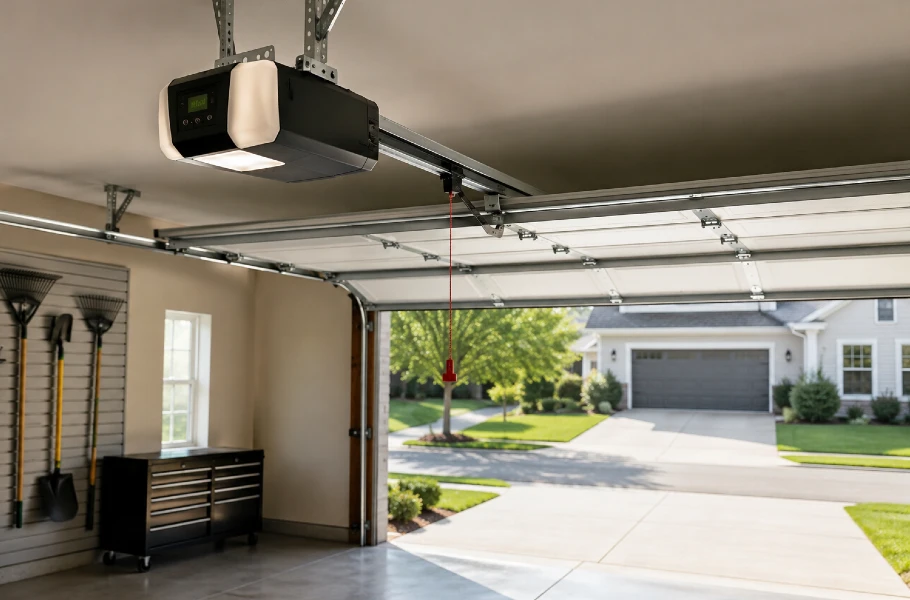
It’s worth repeating that battery replacement procedures vary for handheld remotes and backup batteries in openers. Most remotes require opening the casing and following the specific orientation printed inside for battery replacement, while the backup battery inside the opener motor unit is a larger, more involved job that benefits from a steady hand and the safety steps outlined above. Knowing which one you’re dealing with before you start saves time and frustration.
When It’s More Than Just the Battery
Sometimes a fresh battery doesn’t do the trick, and that’s a good sign there’s a bigger issue at play, whether it’s with the opener, the sensors, or the door itself. If you’ve replaced the battery and your garage door opener still isn’t cooperating, our friendly team is ready to help with reliable garage opener repair in Midwest City.
At Jolly Goat Garage Doors, we believe every garage door deserves a little TLC, and we’re always happy to lend a hand, whether it’s a quick battery swap or a full diagnostic. Contact us, and let’s get your garage door back to its happy, high-fiving self.