
Stepping into your garage should not feel like stepping outside. When temperatures drop, grabbing tools or loading the car can become an exercise in how quickly you can find your gloves.
At Jolly Goat Garage Doors, we know a chilly garage can take the fun out of a weekend project. This garage door insulation guide will help you compare materials, spot drafts, and understand whether your existing door needs repairs or an upgrade.
We can help you choose a plan that fits your door, budget, and routine.
How Garage Door Insulation Helps During Bethany Winters
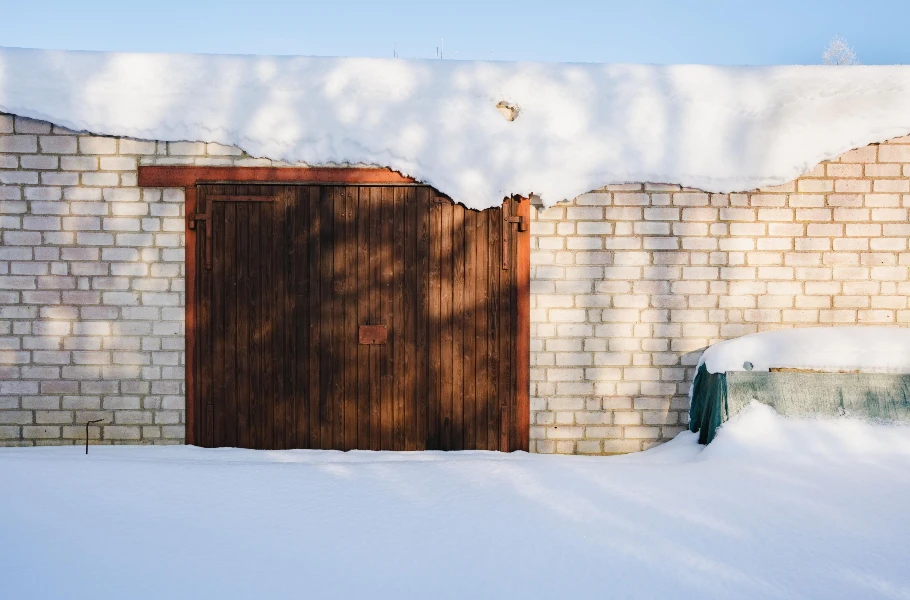
Bethany shares the Oklahoma City area’s hot summers and winter cold snaps. Garage door insulation slows heat transfer through an uninsulated garage door, helping reduce heat loss and temperature swings.
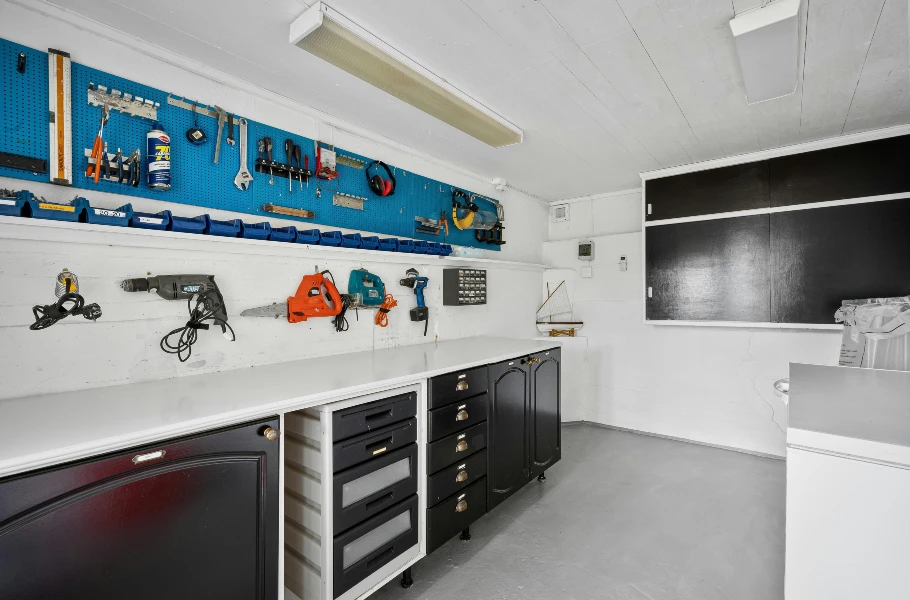
That can make a difference when your garage doubles as a workshop or storage area. However, insulation does not produce heat. An unheated garage can still become very cold during prolonged freezing weather, so temperature-sensitive stored items may need another location.
Air leaks matter, too. Cold air entering around the perimeter can undermine improvements to the panels. Think of insulation and weather seals as teammates: each handles a different part of the job.
Consider How Your Garage Connects to Your Home
Attached garages deserve attention because they share boundaries with living space. Depending on your home’s layout, a chilly garage may contribute to discomfort in an adjacent room.
A detached garage used only for parking has different priorities. For most homeowners, the choice should reflect how often they use the space and whether it is heated.
Understanding R Value and Heat Flow
R-value measures resistance to heat flow. Higher ratings indicate greater resistance, but insulation material ratings do not necessarily describe complete-door performance. Material thickness and test conditions matter.
When comparing a new door, ask about whole-door U-factor where available. A lower U-factor indicates less heat passing through the tested assembly.
For an unheated attached garage, R-7 to R-9 can be a starting point for comparison. For heated garages or cold winters, R-12 or higher may be appropriate. These are starting points, not local code requirements.
The best garage door insulation also depends on fit and your current door. Some factory-insulated models exceed R-20, so R-18 is not a universal ceiling.
Compare Insulation Options Before You Buy
Common materials behave differently. Balance thermal resistance with moisture resistance, compatible facings, and secure fastening before starting your insulation project.
Foam Board and Retrofit Foam Kits

Rigid foam board can suit compatible sectional steel doors. Polystyrene garage panels vary in performance depending on thickness, density, and test conditions. Check the product label rather than assuming every panel adds R-6 to R-8.
Expanded polystyrene can provide approximately R-4 per inch, depending on the product. That per-inch figure differs from a panel rating: thickness and temperature affect comparisons, so review published specifications before choosing your foam.
Retrofit foam kits package components for existing doors. Compare dimensions and attachment methods carefully; foam kits are not interchangeable across every door design.
A boxed panel kit differs from spraying expanding foam onto a moving door. Before any material is added, confirm that the door manufacturer permits its use on that door.
These products may be a budget-friendly option when your door is compatible and in good condition. Confirm whether exposed surfaces need a specified protective facing.
Fiberglass Garage Door Insulation Kits

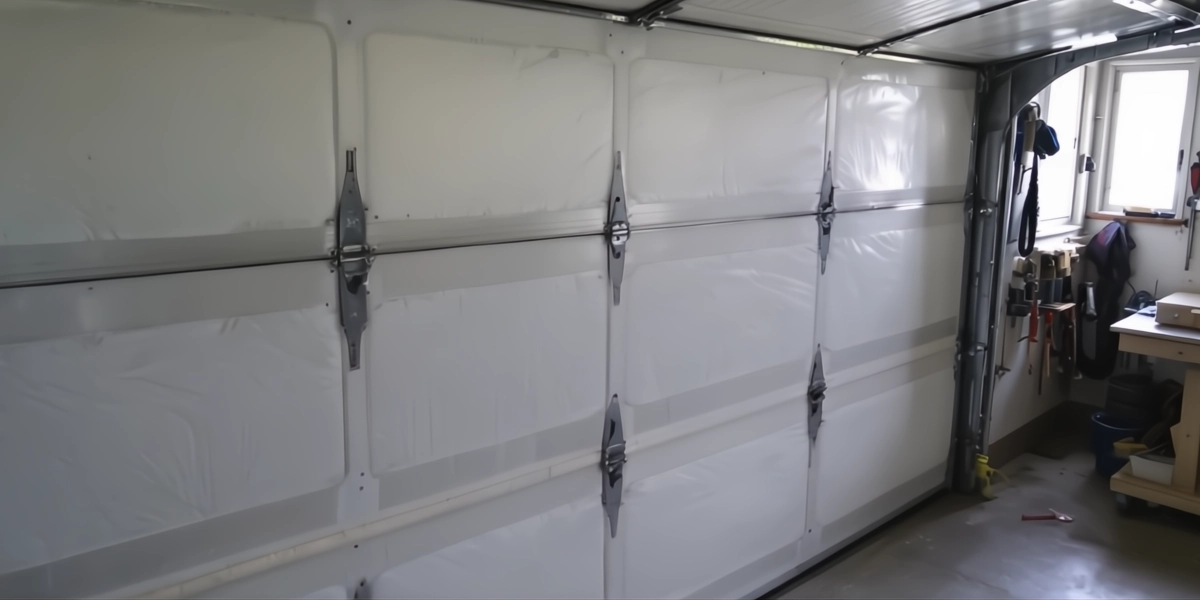
A garage door insulation kit may use vinyl-faced fiberglass batts with retaining clips. These panels provide thermal resistance and can dampen outside sound. Some kits offer R-8 panels with a washable facing for easier cleaning.
A professional should check panel depth, fastening requirements, and compatibility with your garage door. Fiberglass needs room to perform properly; squeezing extra material into a panel can reduce its insulating effectiveness.
Reflective Insulation and Factory-Insulated Doors
Some reflective foil products are rated to reflect up to 97% of radiant heat under specified conditions. This does not mean 97% lower heat loss or energy bills. Follow air-space instructions; an R-6 rating cannot be assumed.
A factory-insulated door may contain polystyrene or injected polyurethane. Higher-performance polyurethane models can offer ratings around R-18 to R-20+, depending on their thickness and construction. Jolly Goat’s residential garage door installation services offer a starting point for discussing suitable construction and professional installation.
Check Your Existing Door Before Adding Insulation
Make sure your door is structurally sound. An old garage door with a bare, single-layer steel back may lack insulation. Thinness alone does not establish its rating; check construction and product information.
Look for:
- Bent or damaged garage door panels.
- Rust, deterioration, or loose components.
- Uneven movement or unusual noises.
- Cracked weatherstripping or a worn bottom seal.
Adding insulation increases weight. Springs and other hardware must remain suitable for the finished door; do not assume the opener can compensate for an imbalance.
At Jolly Goat Garage Doors, our garage door repair services can help address operating problems before you invest in an upgrade.
Why We Recommend Professional Garage Door Insulation
DIY garage door insulation can look like a quick weekend project, especially when a kit calls for little more than a straightedge and utility knife. But your garage door does some serious heavy lifting, and adding insulation changes more than its appearance.
At Jolly Goat Garage Doors, we recommend professional installation to help keep your upgrade from creating a new garage door headache.
A Snug Fit Should Still Leave Room to Move
Every panel needs compatible material and a suitable fastening system. Even insulation that fits tightly can cause problems if retaining clips, adhesive, or loose edges interfere with hinges, rollers, tracks, or panel joints.
Fiberglass also needs the right fit; excessive compression can reduce its insulating performance. We encourage homeowners to have compatibility assessed before purchasing materials or making changes.
Let Us Help Protect Your Door’s Balance
Added weight can affect door balance and place extra strain on the opener. Before adding insulation, have a professional check the door manufacturer’s guidance, the added weight, and hardware compatibility. Door balance and operation should also be checked afterward and during routine maintenance.
If movement changes or the opener struggles, stop using the door and seek professional help. Do not adjust springs or cables yourself.
Our garage door service team can assess operating concerns, address needed repairs, and discuss suitable upgrades for any garage door insulation in Bethany. Give Jolly Goat a call—we’ll help you understand your options and choose a sensible next step.
Seal Gaps and Consider the Whole Garage
Door insulation addresses only one surface. To improve the whole garage, inspect perimeter seals and look for other sources of energy loss.
A tight bottom seal helps limit drafts and pest entry. Have damaged weatherstripping evaluated, and seal gaps without obstructing moving parts or required ventilation. Warm air can escape around insulated panels.
Walls, ceilings, windows, and connections to the house also affect energy efficiency. An uninsulated garage will not become a properly insulated space through door improvements alone.
Persistent condensation or moisture issues need investigation. Covering damp surfaces can hide the problem rather than resolve it.
Choose Improvements Around Your Daily Routine
Notice where drafts occur and whether an adjoining room stays chilly. Photograph damage and note operating changes. These details help us discuss repairs or replacement; a temperature swing alone does not diagnose missing insulation.
Compare Cost, Comfort, and Replacement
The cost depends on door size, materials, labor, condition, and any necessary hardware work. Ask for written cost ranges that explain what is included before comparing options.
Retrofit kits may make the most sense when your existing door works well and supports the added material. If damage or compatibility problems stand in the way, full door replacement may be worth discussing.
At Jolly Goat Garage Doors, we can discuss repairs alongside a full replacement so you can weigh the choices. A lower initial price matters, but so do operation, durability, and thermal efficiency.
Keep Energy Savings Expectations Realistic
Insulation may help save money, but energy savings depend on how your garage is used and connected to the house. If the space is unheated, changes in your energy bills may be small.
Potential cost savings also depend on shared-wall insulation, air sealing, and the HVAC system. We recommend weighing comfort and everyday usefulness alongside the numbers, rather than counting on a fixed payback date.
Garage Door Insulation FAQs
What Is the Best Insulation for My Garage Door?
The best insulation is compatible with the door and suited to your goals. Compare published ratings, weight, panel fit, fastening requirements, and durability. A technician can help evaluate whether your door is a sensible candidate.
Will an Insulated Door Keep My Garage Above Freezing?
Not necessarily. Outdoor temperatures, air leakage, other insulation, and available heat all matter. Do not rely on door insulation alone to protect pipes, liquids, or sensitive belongings during extended freezing conditions.
How Do I Maintain Garage Door Insulation?
Check for loose sections, damaged facing, moisture, and worn seals. Follow product care instructions. Jolly Goat’s garage door maintenance services can also help you address mechanical concerns as they arise.
Keep product details handy for matching replacement pieces. If insulation sags into moving hardware, stop operating the door until the obstruction is addressed.
Let Us Help You Plan Your Next Step
Garage door giving you the cold shoulder? At Jolly Goat Garage Doors, we help Bethany homeowners with repairs, maintenance, and new door installation. Talk with our team at 405-367-3129 about the drafts or operating problems you’ve noticed, and we’ll help you sort through the options.