
When Oklahoma weather starts getting moody, most homeowners look at the roof, windows, trees, and whatever patio chair might be thinking about taking flight. But there’s another big opening worth checking: your garage door.
Around Bethany, strong winds, hail, driving rain, and power outages can put the whole setup to work—from the panels and tracks to the brackets, seals, and opener. A door can look perfectly solid from the driveway and still have a weak link hiding somewhere.
At Jolly Goat Garage Doors, we’d rather you know what a solid professional installation looks like than simply take our word for it. No ladders. No spring adjustments. No weekend DIY adventure required. This guide walks you through our storm-proof garage door installation checklist, including what to look for, what to ask your technician, and what should be working before we roll out of the driveway.
Start With the Right Door for Your Home

The first point to confirm with your installer is pretty simple: the new door has to be right for the opening and right for the home. Before anybody starts fastening tracks to the wall, that means getting accurate measurements—not eyeballing it from the driveway.
A professional should measure the opening carefully and confirm the width, height, side room, headroom, and backroom before ordering or installing anything. The garage floor should also be checked for uneven areas that could keep the bottom seal from sitting properly.
This is also the time to talk about wind load. Wind-rated garage doors are engineered around specific pressure requirements. The correct rating depends on more than a marketing label; door size, reinforcement, hardware, and design pressure all matter. Wind-rated products are built to meet defined wind-load requirements rather than simply looking heavier than a standard door.
You may see terms such as hurricane-proof garage door, garage door hurricane proof, hurricane-rated garage door while researching. Those phrases are common in coastal areas during hurricane season. Bethany does not deal with hurricanes the way Gulf Coast communities do, but the engineering ideas behind hurricane resistance still matter here: reinforced panels, stronger hardware, secure attachment, and resistance to wind pressure.
Bethany’s municipal code adopts state-aligned building codes and includes local residential design criteria, so a professional installer should know the applicable code requirements and confirm what applies to your project.
Check the Panels, Reinforcement, and Material
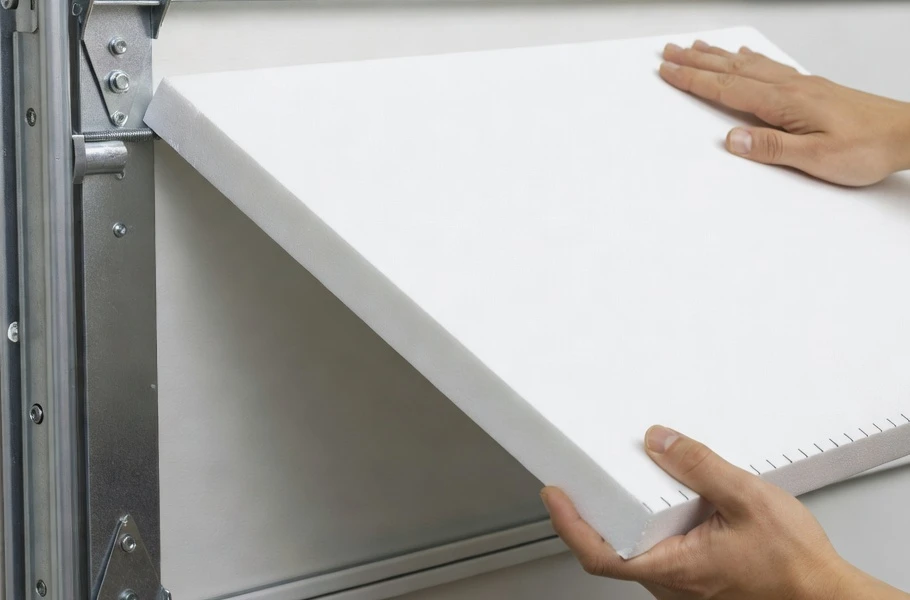
Once the door is on site, look at what is actually being installed. Door panels should arrive without bends, cracks, major dents, or damaged edges. A wind-rated system may use heavier-gauge steel, horizontal struts, upgraded hinges, or other reinforcement specified by the manufacturer.
Here’s where looks can fool you a little. A thick, handsome garage door may look storm-ready, but good looks alone don’t tell you how it will handle wind. Do not assume an insulated garage door is automatically stronger in a storm. Insulation can improve comfort, noise control, and cold weather performance, but insulation value and wind resistance are separate specifications.
Steel, fiberglass, and other exterior materials can all be part of a garage door system, but material alone does not determine storm performance. What matters is whether the complete system has the proper rating and required components.
If you are replacing an older door, ask whether the existing framing, tracks, and support points are suitable for the replacement. A strong new door attached to weak framing is not much of an upgrade.
Watch the Tracks, Hinges, and Brackets
Tracks and brackets are not exactly the glamorous part of a new garage door, but when the wind picks up, they matter—a lot. The panels may get all the attention from the driveway, but the hardware behind them helps keep the whole system where it belongs.
During professional installation, look for tracks that are straight, securely fastened, and properly aligned. Brackets should attach to sound framing, and the installer should use the fasteners and spacing called for in the manufacturer’s specifications.
This becomes especially important when high winds push against a closed garage door. Wind pressure can flex large panels. If the tracks, hinges, brackets, or attachment points are not suitable for the load, the door can lose alignment or fail.
You do not need specialized tools to inspect the work. Ask the installer to show you how the tracks are anchored and whether the hardware is part of the rated door package. A good professional should be comfortable explaining what you are looking at.
Confirm the Door Seals Against the Floor and Opening
A strong garage door with a big gap underneath it? Not exactly a win. Once the door is closed, take a quick look at where it meets the garage floor.
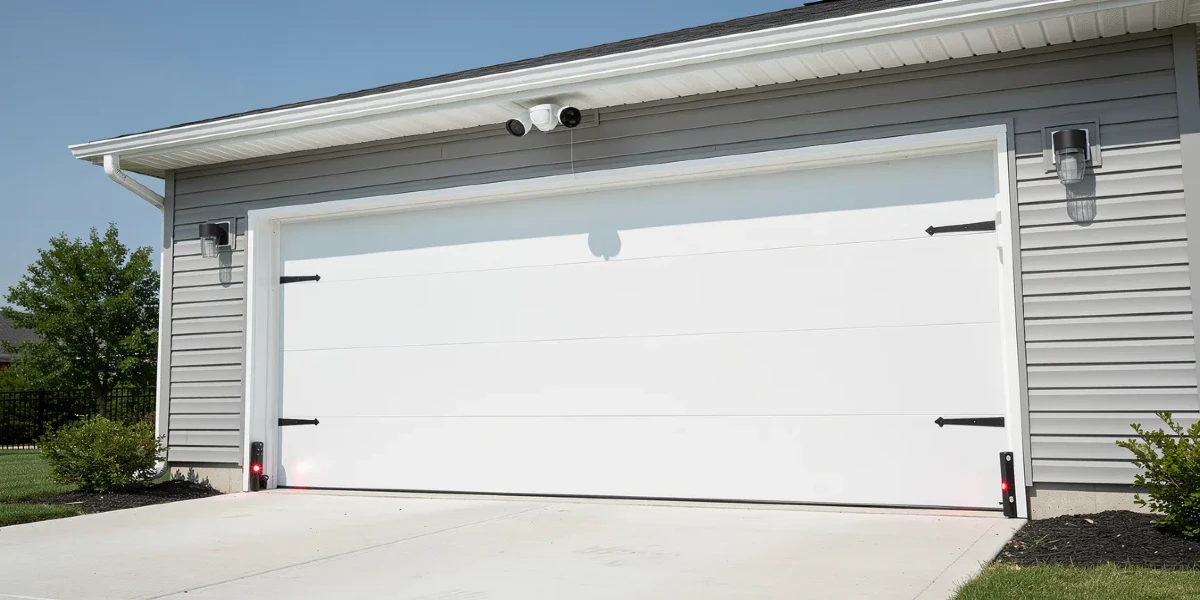
With the door closed, look across the bottom where the seal meets the garage floor. You should not see large gaps or obvious daylight. The top and side weather seals should sit evenly against the exterior of the door as well.
Weather seals do not make a garage waterproof, especially in wind-driven rain, but they can reduce normal water intrusion, drafts, dust, and debris.
At Jolly Goat, our maintenance services include weather-stripping and sealing help for homeowners dealing with rain coming across the floor or worn perimeter seals. If you are searching specifically for garage weatherproofing installation in Bethany, it makes sense to have the seals checked at the same time as the door, tracks, and bottom contact point.
That simple inspection can help reduce avoidable water damage around stored items, wall materials, or anything sitting directly on the floor.
Make Sure the Garage Door Moves Smoothly
After installation, the technician should run the garage door through several complete open-and-close cycles.
Watch how the panels travel. The door should not jerk, twist, scrape, or shake excessively. Listen for grinding, popping, or repeated metal-on-metal sounds. The rollers should remain in the tracks, and the door should sit evenly when closed.
The technician should also check balance and spring operation. This is where we draw a pretty firm line between “take a look” and “leave it to the pros.” Garage door springs, cables, and related hardware store significant energy, and improper handling can cause serious injury. If something looks wrong, request an inspection instead of trying to pull, tighten, or adjust components yourself.
This checklist is about knowing what to check during a professional installation, not turning a high-tension garage door system into a weekend DIY project.
Test the Automatic Opener and Safety Features
A storm-ready door still needs to work safely every day.
If a new automatic opener is part of the installation, ask the technician to demonstrate the safety sensors, travel limits, wall control, remote controls, and manual release. The door should stop or reverse when the safety system detects an obstruction as designed.
Garage door openers do not give a wind-rated door its structural strength. The door, reinforcement, tracks, hinges, brackets, and framing do that job. The opener provides controlled movement and everyday access.
Modern smart openers can add app-based monitoring, alerts, and remote access. LiftMaster, for example, supports connected myQ monitoring on compatible products. At Jolly Goat Garage Doors, we install and service garage door openers for Bethany homeowners as part of our local service offering.
Ask about battery backup too. If the neighborhood loses power during a storm, battery backup can suddenly go from “nice extra” to “glad we have that.” You should still know how to operate the door manually with the emergency release when it is safe.
This is also a good time to discuss surge protection. Storms and electrical interruptions can be rough on electronics. If your opener includes LED lights, Wi-Fi, cameras, or other connected features, make sure everything is tested before the installation is considered complete.
Ask About High-Wind and Impact Protection
Let’s clear up one thing before somebody promises you an indestructible garage door: there really isn’t one. No residential door should be sold as a magic shield against every tornado, every wind speed, or every piece of flying debris.
What a properly selected wind-rated door can do is improve resistance to the pressures it was designed and tested to handle. High-wind systems may use reinforced panels, stronger hardware, and upgraded attachment details. Clopay, for example, describes its WindCode products as reinforced systems designed around local wind-load requirements.
Impact resistance is a separate question. If debris protection matters to you, ask what impact testing or rating applies to the exact door. Do not assume that a product rated for wind automatically provides the same protection against flying objects.
This matters because structural failure at a large garage opening can affect more than the door itself. Oklahoma County has documented tornado damage in which garage door failure was associated with major roof and wall damage at exposed homes.
That is a good reason to think of the door as part of your home’s structure rather than simply a moving panel that keeps vehicles out of the rain.
Do Not Forget the Garage Around the Door
The new door may be the main focus of the installation, but take a few minutes to inspect the surrounding garage too.
Look at the wall around the opening for obvious cracks, deteriorated wood, loose trim, or previous water stains. Make sure stored items are not blocking the tracks, safety sensors, or access to the emergency release. The area around moving parts should stay clear.
Take a look at the driveway too. If rainwater naturally runs toward the garage, even a brand-new bottom seal can only do so much. Mention it to your installer so you know whether you are dealing with a door-seal issue or a bigger drainage problem.
If your garage connects directly to the house, keeping this opening in good condition also helps protect the space where many homeowners store tools, equipment, and vehicles.
During a tornado warning, however, the garage should not be treated as a storm shelter. Follow local emergency guidance and move to the safest available shelter or safe-room location.
Review Everything Before the Technician Leaves
You don’t need a clipboard, a hard hat, or a sudden career change into garage door inspection. Just take five minutes and walk through the finished job with your technician.
Before signing off, watch the garage door open and close. Check that the panels look properly aligned, confirm that the bottom seal meets the floor, and make sure the opener controls work.
Ask the technician to demonstrate the safety sensors, manual release, battery backup if equipped, and smart features if you purchased them. You should also receive—or know how to access—the manufacturer specifications, warranty information, opener instructions, and recommended maintenance schedule.
If the door is wind-rated, ask where the wind rating or product information is located.
Taking a few photos after the install is also worthwhile. They may help if you later need replacement parts, warranty service, an insurance inspection, or documentation after a storm.
At Jolly Goat, we don’t want to install a shiny new setup, wave goodbye, and leave you wondering what half the buttons do. Before we call the job finished, you should know how your door works, what normal sounds like, and when it’s time to give us a call.
Your Quick Storm-Ready Garage Door Checklist
Before the professional installation wraps up, confirm:
- The door size, wind load, and applicable code requirements are correct.
- Panels, reinforcement, hinges, tracks, and brackets are secure.
- Weather seals meet the sides, top, and garage floor evenly.
- The door completes several smooth open-and-close cycles.
- Safety sensors, remote controls, and the automatic opener work.
- Battery backup, smart openers, and surge protection were discussed if relevant.
- Wind-rating, warranty, and maintenance information are available.
- Anything loose, damaged, uneven, or incomplete is corrected before sign-off.
The goal is not to second-guess trained expert technicians. You’re not trying to inspect the inspector here. You just want to know what was installed on your home and make sure everything works before the truck pulls away.
What to Inspect Before the Next Storm
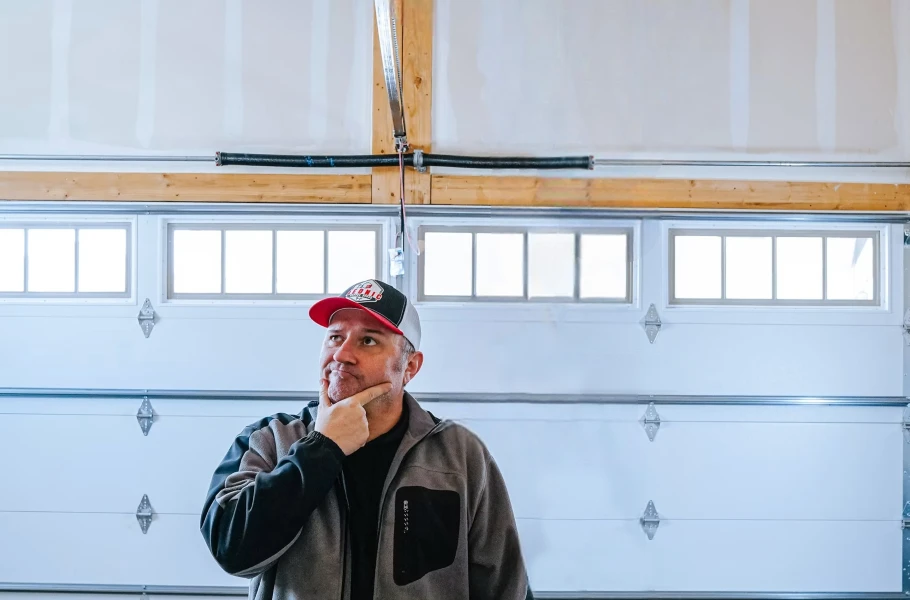
Oklahoma weather has a habit of keeping us on our toes. Before the next round of wind, hail, and sideways rain shows up, give the door a quick once-over from inside the garage.
Professional installation is only the beginning. As storm season approaches, stand inside your garage with the door closed and perform a simple visual inspection.
Look for new gaps, damaged weather seals, bent tracks, cracked panels, loose-looking hardware, or changes in the way the door sits in the opening. You do not need to remove covers or touch springs and cables.
If the door suddenly sounds different, struggles to open, rubs against the tracks, or will not sit properly when closed, schedule service before severe weather arrives.
An older door that has been through years of wind, rain, cold weather, Oklahoma temperature swings, and daily use may eventually need more than a tune-up.
If something looks—or sounds—a little wonky, that’s where we come in. Jolly Goat Garage Doors serves Bethany with repairs, maintenance, opener service, and new door installation, so we can take a look and tell you whether you need a simple adjustment, a repair, or a replacement.
Frequently Asked Questions About Storm-Ready Garage Doors
Do I need a hurricane-rated garage door in Bethany, OK?
Probably not just because it has the word hurricane on the label. What matters in Bethany is choosing a door that meets the wind-load and code requirements that apply to your home. A hurricane-rated garage door may include useful high-wind engineering, but the right specification should be based on the home and local requirements rather than the word “hurricane.”
Is an insulated garage door better for severe weather?
It can be a great upgrade, but insulation and wind strength are two different boxes to check. An insulated garage door may improve comfort and energy performance, but its wind rating, reinforcement, tracks, hardware, and installation determine how it is designed to respond to strong winds.
Can my existing garage door be reinforced?
Sometimes, but not every older door is a good candidate. The existing panels, tracks, hinges, framing, and opener all have to be considered. Adding reinforcement can also change the weight and operating requirements of the system. Wind-door manufacturers caution that retrofitting older systems can create compatibility issues, making replacement with an engineered wind-rated system the better option in some cases.
Should I test the door manually after installation?
Yes, but let the professional show you how. Your installer should demonstrate the emergency release and explain how to operate the door manually during a safe power-loss situation. Do not disconnect or manipulate springs, cables, or other high-tension parts.
Get Your Garage Door Ready for Bethany Weather

Oklahoma weather does not exactly believe in giving us plenty of notice. One afternoon is calm; the next has your weather app lighting up like a Christmas tree.
A quality professional installation should leave you with more than a good-looking door. You should understand the wind rating, know how the safety features work, know how to open the door manually during an outage, and feel confident that the tracks, brackets, panels, weather seals, and opener were installed as a complete system.
If you’re replacing an older door, looking at an insulated or wind-rated upgrade, having trouble with your opener, or need garage weatherproofing installation in Bethany, give the Jolly Goat team a holler at 405-480-2306. We handle new garage door installation, garage door repair, openers, maintenance, and weather-stripping throughout the area. Jolly door, happy homeowner. That’s a pretty good way to head into storm season.
Before the next storm rolls through, request a professional inspection or garage door installation estimate. We will help you protect the opening, keep the door operating safely, and make sure your garage is ready for the season with a little more confidence.