
Written by Jeff Gabelsberg, Founder, Jolly Goat Garage Doors (24 years of experience).
Jeff Gabelsberg’s garage door story started when he was just a teenager — partly by accident, partly by fate, and fully with a knack for making customers smile. After years of learning the trade and seeing how service could be done better, he founded Jolly Goat Garage Doors to build a happier, better-trained team that treats people like neighbors, not just another stop on the schedule.
We know how crucial a fully functional commercial garage door is to your daily operations. For busy commercial operations, the door is an important part of how deliveries, crews, inventory, and vehicles move through the day. Whether you operate a warehouse, shop, service bay, or loading area, the entire door system needs to function properly so your business operations do not get slowed down by a sudden breakdown.
Related Article: Key Factors to Consider When Choosing Commercial Garage Doors
The good news is that many commercial door problems have clear causes. Some are simple maintenance issues, while others need professional repair right away. Here are the most common commercial garage door issues, what may be causing them, and how our team can help fix them safely and efficiently.
1. The Door Will Not Open or Close Properly
One of the most common issues with a commercial garage door is a door that refuses to open, stops halfway, reverses suddenly, or will not close all the way. When the door’s operation becomes unpredictable, it can be frustrating for any business owner, especially when employees, deliveries, or service vehicles need access.
Common causes include:
- Blocked, dirty, or faulty sensors. Safety sensors can stop the door from closing if dirt, debris, tools, boxes, or equipment are blocking the sensor path.
- Misaligned sensors. If the sensors are not facing each other correctly, the door may think something is in the way and refuse to close.
- Opener or motor issues. A worn motor, damaged gear, faulty circuit board, or electrical issue can prevent the opener from responding properly.
- Damaged rollers or misaligned tracks. If the rollers are worn or the tracks are bent, the door may bind, drag, or stop before completing a full cycle.
- Broken springs or cables. If the counterbalance system is damaged, the door may become too heavy for the opener to lift. A broken cable or worn torsion springs can also make the door unsafe to operate.
- Remote Control Problems: Change the batteries or check the remote’s range.
- Manual lock engaged. Sometimes the door is not broken at all. The manual lock may have been accidentally engaged, preventing the door from opening even when the opener is working.
How Jolly Goat gets it moving again:
First, we give the whole system a good look-over, not just a quick button press and a shrug. A skilled technician checks the sensors, opener, tracks, rollers, springs, cables, hinges, and door balance to find out what is really keeping your commercial garage door from doing its job. If it is something simple, like a blocked sensor or misaligned tracks, we will get it cleaned up and pointed in the right direction. If a part is worn, damaged, or unsafe, we will explain it clearly during the service call and fix it the right way so your door can get back to work without the guesswork.
2. The Door Is Loud, Shaky, or Rough During Operation

Commercial doors are bigger and heavier than residential doors, and because many commercial doors run on a regular basis throughout the workday, they are not always whisper-quiet. But grinding, scraping, popping, squeaking, rattling, or banging sounds are not something to ignore.
A garage door that’s louder than your morning alarm is not ideal and may be telling you it needs attention. Here’s what might be causing the racket:
- Loose hardware. Daily use can loosen bolts, brackets, hinges, and fasteners. Once parts start shifting, the door may rattle or shake during operation. The quickest fix is to tighten these loose parts.
- Lack of lubrication. Rollers, hinges, springs, bearings, and other moving parts need proper lubrication. Without it, friction builds up and causes noise, wear, and rough movement. Regular lubrication may help with smoother operation.
- Worn rollers. Rollers help guide the door along the track. If they are worn, cracked, or damaged, the door may drag, squeal, or move unevenly and need to be replaced.
- Damaged hinges or sections. A cracked hinge or bent door section can throw off the way the door moves. That extra strain can make the entire system louder.
- Opener strain. If the door is out of balance, the opener has to work harder than it should. That can create unusual noise and shorten the life of the opener.
How Jolly Goat quiets the chaos:
A noisy commercial door is usually trying to tell you something. We tighten loose hardware, lubricate the right moving parts, inspect the rollers and hinges, and check the balance of the door. If a part is worn out, we replace it before it turns into a bigger problem. The goal is to have less racket, smoother movement, and a door that does not sound like it is having a Monday.
3. The Door Closes Too Quickly or Slams Shut
A commercial door that drops too quickly or slams shut is not just annoying. It can be dangerous and should be addressed immediately by a professional.
Because commercial doors are heavy, a sudden drop can damage vehicles, equipment, inventory, or the door itself. More importantly, it can put employees and customers at risk.
Why it happens:
- Broken springs or a damaged torsion spring. Springs help control the weight of the door. When a torsion spring breaks, the door may lose proper tension and come down too fast. In many systems, a standard torsion spring is doing a lot of heavy lifting behind the scenes, so it should only be repaired or replaced by a trained professional.
- Frayed or broken cables. Cables work with the springs to lift and lower the door. If a cable is damaged, the door may become uneven, jerky, or unsafe.
- Incorrect spring tension.
If the springs are not adjusted correctly, the door may close too quickly or feel unusually heavy. - Damaged bottom brackets or drums.
These parts help guide cable movement. If they are worn or damaged, the door may not lower in a controlled way.
How Jolly Goat keeps things safe:
A door that slams shut is not something to gamble with. Our team inspects the springs, cables, drums, brackets, and tension system to find out why the door is dropping too fast. Then we replace or adjust the problem parts safely. Springs and cables are under serious tension, so this is one of those jobs where calling the pros is the smart move.
4. The Door is Off Its Tracks
When your door is no longer moving along its own metal tracks, it is a clear sign something is amiss. Track damage can affect the entire door, not just one section, and forcing it open or closed can make the problem worse.
- Bent or damaged tracks. Tracks can bend if hit by a forklift, vehicle, pallet jack, or heavy equipment. In more serious cases, the entire track may need adjustment or replacement so the door can run smoothly again.
- Worn rollers. If rollers are damaged or no longer rolling smoothly, they can jump out of the track.
- Loose track brackets. Brackets hold the tracks in place. If they loosen, the door may shift out of alignment.
- Impact damage. Commercial doors often work in busy environments. One accidental bump can be enough to knock the system out of place.
- Alignment Issues: If the tracks are misaligned, they need to be straightened and aligned properly. This may require professional assistance.
How Jolly Goat gets it back on track:
When a door comes off track, we do not force it and hope for the best. That can make the damage worse. Instead, we inspect the tracks, rollers, brackets, hinges, and door sections to find out why the door decided to go rogue. Then we realign the system, repair or replace damaged track sections, and make sure the door rolls smoothly again. In other words, we help your commercial garage door stop wandering and get back to work.
5. Remote, Keypad, or Wall Control Problems
Sometimes the door itself is not the problem. The issue may be with the controls.
If your remote, keypad, or wall station stops working, it can feel like you are locked out of your own building. Not very jolly, we know.
- Dead batteries. Simple, but common. A remote or keypad may only need fresh batteries.
- Lost programming. Remotes and keypads can sometimes lose their connection to the opener and need to be reprogrammed.
- Signal interference. Nearby electronics, metal structures, or distance from the opener can affect the signal.
- Damaged wiring. Wall controls may stop working if the wiring is loose, damaged, or disconnected.
- Worn control components. Older remotes, keypads, or wall stations can eventually fail.
How Jolly Goat gets you back in control:
If the remote, keypad, or wall button is giving you the silent treatment, we will track down the reason. Sometimes it is a dead battery or a quick reprogramming. Other times, the opener receiver, wiring, keypad, or wall station needs repair or replacement. We test the controls, explain what is happening, and get your access point working again so your team is not stuck pressing buttons and hoping for a miracle.
6. The Door Reverses Before Closing
If your commercial garage door starts to close and then suddenly reverses, it is usually a sign that the safety system is being triggered or the opener is sensing resistance:
- Sensor obstruction or misalignment. The sensors may detect something in the way, even if the opening looks clear.
- Dirty sensor lenses. Dust and grime can interfere with the sensor beam.
- Track resistance. If the rollers, hinges, or tracks are damaged, the opener may sense too much resistance and reverse.
- Incorrect force settings. The opener may need adjustment if it is reversing too easily.
- Damaged weather seal. A worn or bunched-up bottom seal can create resistance when the door touches the floor.
How Jolly Goat stops the reverse routine:
A door that starts closing and then pops right back open is usually trying to tell us something. We check the safety sensors, clean the lenses, realign the sensor eyes, inspect the tracks and rollers, and look for anything causing resistance near the floor. Once we find the troublemaker, we fix it so the door can close safely, smoothly, and without the dramatic “just kidding” comeback.
7. The Door Feels Heavy or Uneven
A commercial door should move smoothly and evenly. If one side seems lower than the other, the door feels unusually heavy, or the opener strains every time it runs, there may be a balance problem.
Common causes include:
- Weak or broken springs. The springs may no longer be supporting the door’s weight correctly.
- Cable problems. A cable may be frayed, loose, or wrapped incorrectly around the drum.
- Damaged rollers or hinges. Worn hardware can cause uneven movement.
- Door section damage. A dented or bent section can affect the door’s balance and alignment.
How Jolly Goat balances the load:
A commercial door should not feel like it is making the opener do all the heavy lifting. If the door feels heavy, uneven, or strained, we test the balance and inspect the springs, cables, rollers, hinges, and door sections. Then we make the needed repairs or adjustments so the weight is properly supported. Your opener works less, your door moves better, and everyone gets a little more peace of mind.

8. The Door Has Damaged Panels or Sections
Commercial doors take a lot of daily wear. Delivery trucks, forklifts, carts, weather, and regular use can all leave dents, cracks, or bent sections behind. Panel damage may seem cosmetic at first, but it can affect how the door moves. A damaged section can strain the tracks, rollers, hinges, and opener. In some cases, replacing a section is enough; in others, a new door may be the safer and smarter long-term fix.
Why it happens:
- Vehicle or equipment impact.
A bump from a truck, forklift, or loading equipment can bend a section. - Weather damage. High winds, hail, moisture, and temperature changes can affect the door over time.
- Rust or corrosion. Metal doors can weaken if rust is left untreated.
- Age and wear. Older sections may lose strength after years of daily operation.
How Jolly Goat handles the dents and dings:
Commercial doors work hard, and sometimes they take a hit from vehicles, equipment, weather, or plain old daily use. We inspect the damaged panels, hinges, tracks, and surrounding hardware to see whether a repair, section replacement, or larger fix makes the most sense. Then we walk you through your options in plain language, no pressure and no confusing garage-door jargon. Just honest guidance and a safe, sturdy solution.
9. Weather Seal Problems
A worn weather seal can let in rain, wind, dust, pests, and outdoor air. For commercial spaces, that can affect comfort, cleanliness, security, and energy use:
- Gaps under or around the door. Light, water, or air may come through the edges.
- Cracked or brittle rubber. The seal may be dried out from age or weather exposure.
- Pest activity. Small gaps can create an easy entry point.
- Water near the door opening. A poor seal can allow rainwater to enter the building.
How Jolly Goat seals things up:
If rain, dust, pests, or outdoor air are sneaking in, your weather seals may be ready to retire. We check the bottom seal, side seals, top seal, and door alignment to see where the gaps are coming from. Then we replace worn weatherstripping and make sure the door sits properly. A better seal helps protect your building, your inventory, and your comfort, which is a pretty jolly win all around.
Why Your Commercial Overhead Door Won’t Open or Close
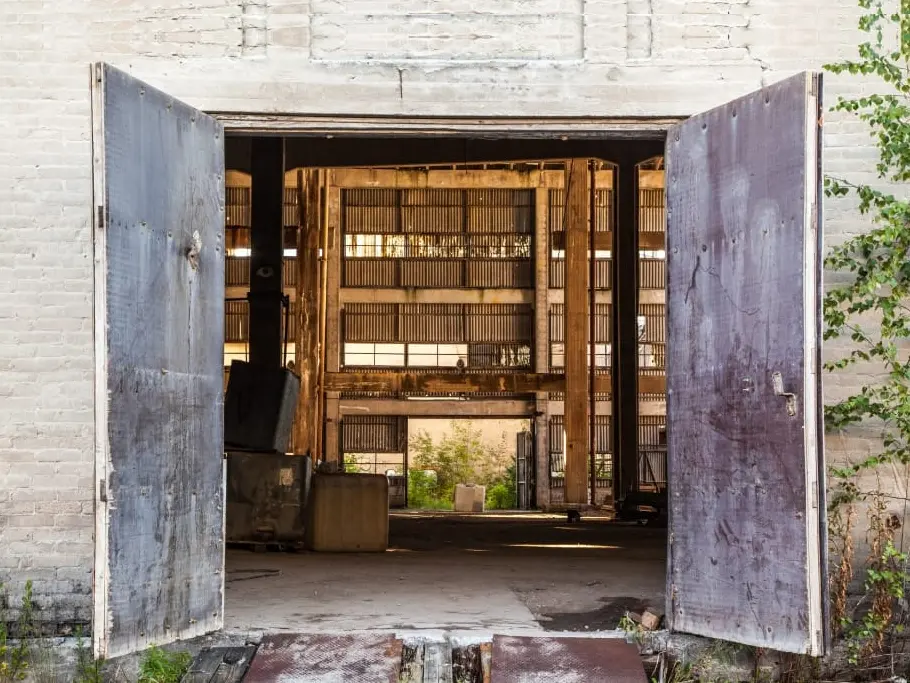
In many commercial spaces, the garage door is also called an overhead door. So if your overhead door will not open, will not close, or keeps reversing, the issue usually comes back to one of the same core problems: blocked sensors, opener trouble, broken springs, damaged cables, track issues, or a control problem.
The difference is that commercial overhead doors are often larger, heavier, and used more frequently than residential doors. That means small issues can turn into bigger interruptions fast. A door that hesitates in the morning can become a stuck loading bay by the afternoon.
Before calling for service, you can check for simple things like blocked sensors, dead remote batteries, a tripped breaker, or an engaged manual lock. But if the door is crooked, heavy, noisy, off track, or supported by damaged springs or cables, it is time to bring in a professional.
Jolly Goat Garage Doors can inspect your overhead door, find the real cause, and get your commercial garage door back to safe, steady operation without the guesswork.
When to Call the Pros
While some issues can be a quick fix, others require the know-how and tools of a professional. If you’re unsure, it’s always safer to reach out to a garage door repair service. It’s not just about fixing or replacing the problem; it’s about ensuring the safety and security of your business.
At our garage door repair company, we’ve seen it all, and we’ve fixed it all. From pesky motor and sensor issues to major spring replacements, we’re here to get your commercial garage doors back in top shape with minimal disruption to your business.
A Commercial Garage Door Professional With a Jolly Good Fix
When your commercial garage door is acting stubborn, noisy, or just plain un-jolly, you do not have to play detective. Let a Jolly Goat commercial door professional take a look.
Our team will inspect the entire door system, explain what is going on in plain language, and recommend the right fix without the confusing garage-door jargon. Whether your door is stuck, off track, closing too fast, or making everyone in the building look up, we are here to help get things moving again.
Request a commercial service today, and we will help your door get back to work so your business can, too.
See more in our commercial garage door information center