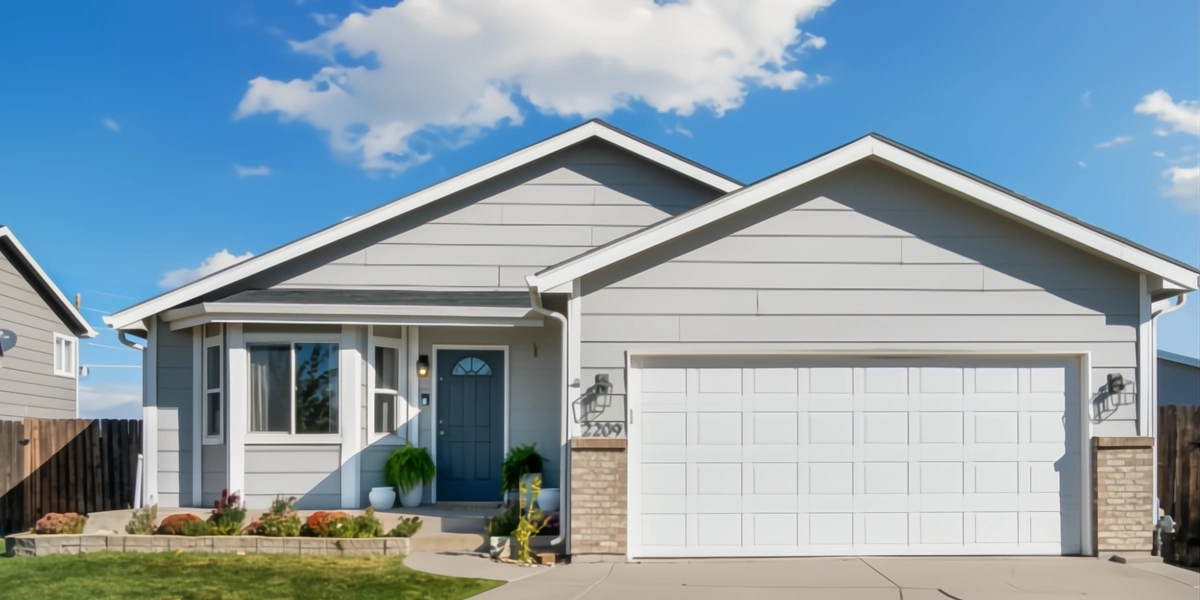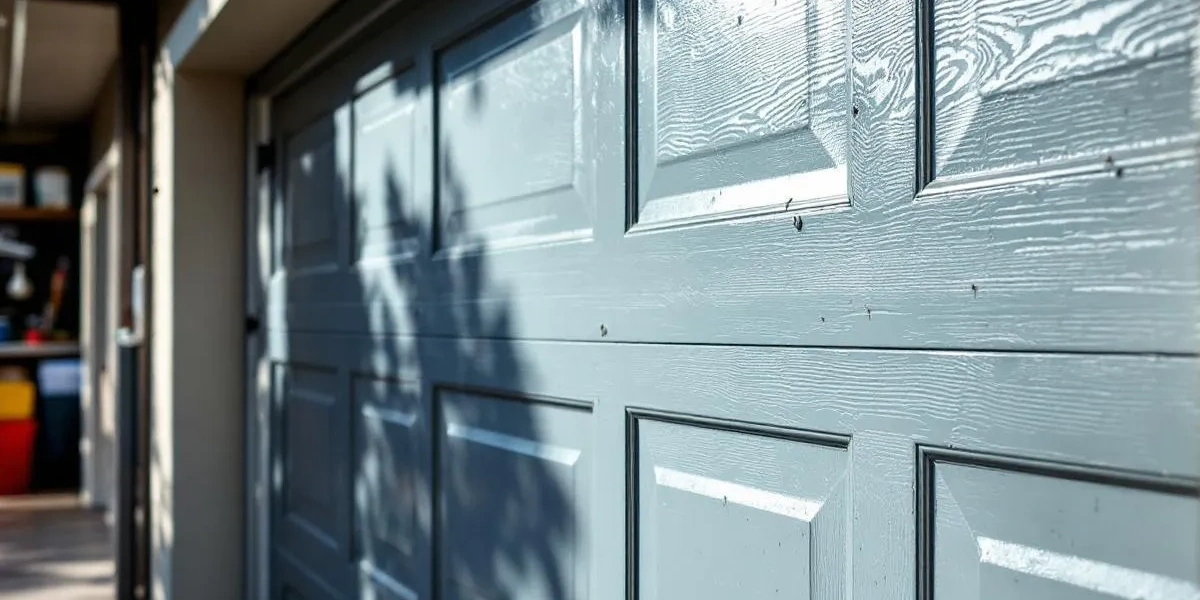

Edmond’s weather swings are no joke. Scorching summers, cold winters, windy days in between. Your garage door sits right in that path, and its condition has a direct impact on your home’s energy use. From weatherstripping to the garage floor, a few smart moves can slow heat transfer, keep warm air where it belongs, and trim monthly energy bills. Small habits at the light switches help, but the biggest gains come when you prevent air leaks around the frame and seals. For local help that keeps projects simple, Jolly Goat Garage Doors can tune, seal, and advise without turning your garage into a construction zone.
Improve Your Garage Door Efficiency: What It Really Means
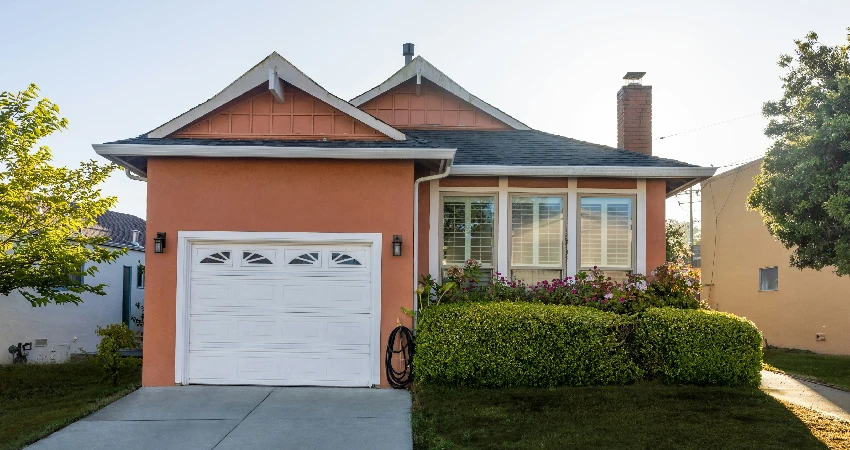
Improving efficiency is about cutting heat flow between the garage and the outdoors so the HVAC system works less. A door with better insulation materials, a tight seal, and solid hardware resists hot air and cold air, limiting energy loss and helping the living space stay comfortable.
- Goal: slow heat transfer, block drafts, and guide outside air away from the house.
- Result: fewer temperature spikes, lower energy costs, and a garage that feels useful year-round.
A few small openings can undo a lot of work, so think in terms of the whole doorway, the surrounding frame, and the adjoining walls.
Garage Door Basics: How It Affects Home Comfort
Your garage door is a large moving wall. The door’s ability to reduce heat flow depends on its core, its seals, and how well it closes. When gaps form at the jambs, header, or slab, air leaks invite outdoor temperatures inside and make your home’s heating and cooling system use more energy than it should.
Energy-Efficient Garage Doors: What To Look For
If you are shopping for a new garage door, compare insulated steel models with a published R-value. Higher R-value means better resistance to heat flow. Look for thermal breaks within the sections, tight perimeter weatherstripping, and quality bottom seals that meet the concrete floor cleanly.
- Choose a high R-value for stronger thermal performance.
- Ask about construction details that prevent heat loss at panel edges.
- If you want daylight, add energy-efficient windows that are sealed and double-pane.
These choices make your garage more comfortable and support your home’s energy efficiency over time.
Garage Door Insulation: Add Insulation Without Replacing the Door
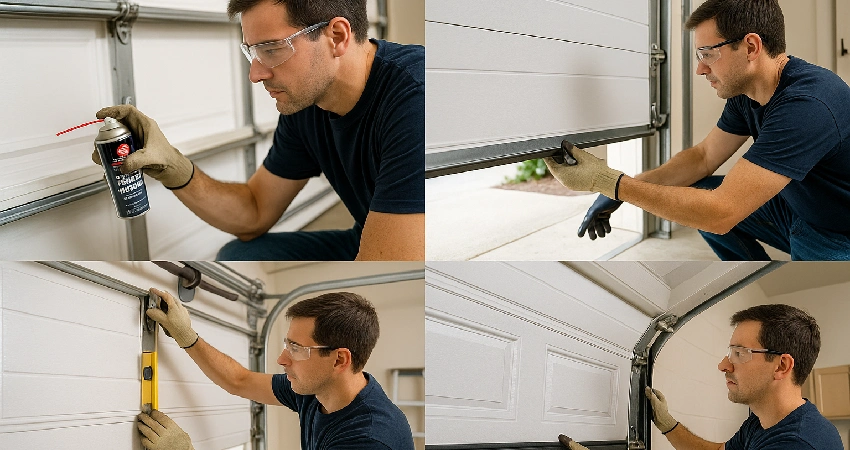
If the door still runs well, you can add insulation panels to create a cost-effective thermal barrier. Polystyrene kits are simple and light. Polyurethane insulation typically delivers a higher R-value per inch and can improve thermal performance in a thinner panel.
- Cut panels to fit snugly and seal edges with foam sealant.
- Recheck the balance so the insulated door opens and closes smoothly.
- Inspect hinges and fasteners, since added weight changes the load path.
A careful retrofit helps prevent heat loss while keeping the door dependable.
Energy-Efficient Windows That Let Light In
Windows make a garage feel less cave-like, but they should not become weak spots. Double-pane, low-E glass with tight frames works best. In windy or extreme weather, storm windows can add protection. The aim is simple: let light in without inviting outside temperatures or air drafts through the opening.
Garage Door Opener: Small Upgrade, Clean Results
Modern openers draw less standby power than older models and add quiet, precise motion that helps doors seal consistently. Smart options can alert you if the door is left open, which helps prevent heat and cool air from escaping needlessly.
- Pick an opener with low standby draw and smooth starts and stops.
- Replace old incandescent bulbs with LEDs to save energy and reduce heat around the motor.
It is a modest change that supports the bigger efficiency wins you get from sealing and insulation.
Energy Efficient Garage: Beyond the Door
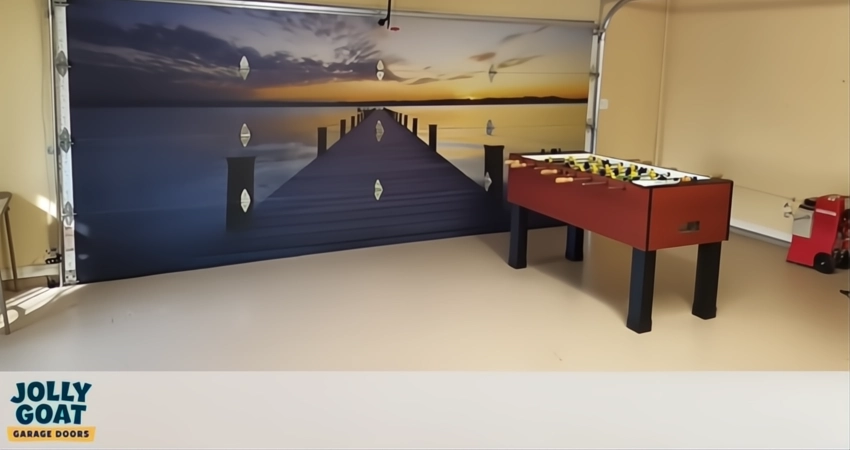
To make your garage truly useful across seasons, think beyond the slab line. Add insulation to garage walls that face the outdoors, seal the rim joist, and insulate the ceiling or attic above. If the garage shares a wall with living space, a solid, well-sealed service door creates a stronger buffer and helps your home’s heating and cooling system save energy every day.
Energy Efficiency: Attached vs Detached Garages
Attached garages can pass heat and fumes into the house if they are leaky. Detached garages matter too if you heat or cool them, run a workshop, or store items that need stable conditions. In both cases, better insulation and air sealing cut energy loss and protect equipment from outside temperatures.
What “Energy Efficient” Means In Practice
- Fewer drafts and tighter weatherstripping at the frame and threshold
- Higher R-value in the door and the surrounding assembly
- Clean, even door travel so panels sit flat and seal fully
These simple markers tell you the upgrades are working.
Lower Energy Bills With Quick Air-Sealing Fixes
Start with the low-lift projects that move the needle fastest in Edmond’s climate.
- Replace worn bottom seals and side/top weatherstripping for a tight seal.
- Add a threshold on the concrete floor where light shows under the door.
- Seal cracks at jambs, headers, and slab joints with caulk or foam sealant.
- Plug leaky electrical outlets on exterior walls with gasket inserts.
- Adjust tracks and hinges so the door closes evenly without gaps.
These steps reduce air leaks quickly, which supports energy savings you can feel the next hot afternoon.
Maintenance That Protects Garage Energy Efficiency
A well-tuned door keeps the thermal barrier intact.
- Tighten hinges, brackets, and fasteners so sections align and seal.
- Lubricate rollers and hinges with a silicone-based product to keep motion smooth.
- Clean tracks and sensors so the door closes reliably.
- Test balance by lifting halfway; if it will not hold, call a pro.
- Inspect retrofitted panels for gaps and reseal as needed.
A few minutes each month helps the system perform as designed.
Energy Savings and Payback In Edmond
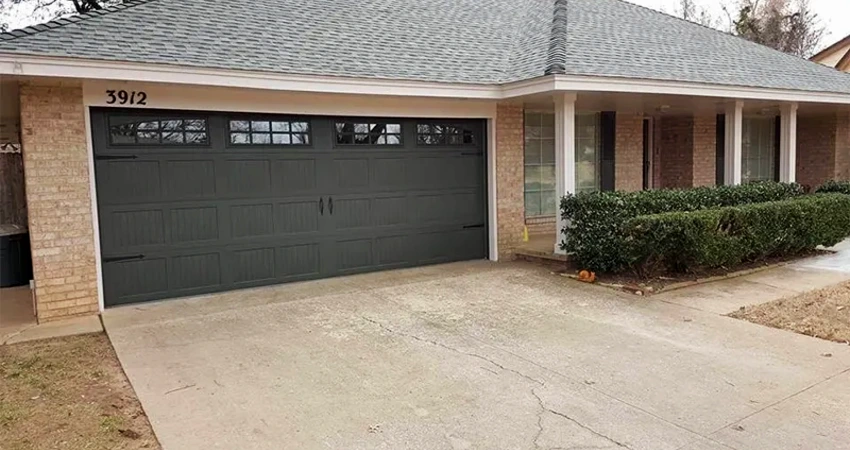
A higher R-value insulated garage door, combined with basic wall and ceiling insulation and clean weatherstripping, can lower heating bills and cooling costs by reducing load swings on the HVAC system. You also save money by preventing drafts that make your home feel uneven from room to room. In short, make your garage part of the comfort plan, not the weak link.
Epoxy Coating: Comfort vs Insulation
An epoxy coating brightens the concrete floor and resists stains, but it is not insulation. If comfort underfoot is the goal, pair epoxy with rubber mats in work zones or consider interlocking tiles that add a slight thermal break. Always seal the slab-to-wall joint so small openings do not pull in outside air.
Quick Wins vs Bigger Upgrades
- Quick wins: weatherstripping, threshold seals, LED lighting, opener with low standby draw
- Bigger upgrades: insulated garage door, wall and ceiling insulation, efficient windows with low-E glass, track alignment and hardware refresh
Start small, then build toward the right garage door and surrounding improvements that have a direct impact on your home’s energy.
Jolly Goat Garage Doors: Local Help That Cuts Drafts
Before you wrap up your project list, a quick pro visit can confirm seals, balance, and hardware are doing their job. If the door is noisy, sticking, or leaving daylight at the floor, book garage door repair in Edmond, and we will fix the issue while checking for hidden energy leaks.
- Seal and weatherstrip upgrades: Fresh bottom seals, side and top weatherstripping, and a threshold to prevent air leaks.
- Insulated door options: High R-value panels with tight perimeter seals and well-fitted windows for comfort and energy savings.
- Opener updates: Quiet, low-standby units that help the door close cleanly and stay sealed.
- Alignment and safety checks: Track, roller, and spring adjustments so the door sits flat and seals evenly.
- Comfort add-ons: Slab-to-wall sealing and simple garage floor solutions for warmer work zones.
We keep visits focused, pricing clear, and recommendations matched to Edmond’s heat, wind, and winter chill.
Call Jolly Goat For Straightforward Help
Want fewer drafts and a garage that helps the house stay warm in winter and cooler in summer? Jolly Goat Garage Doors serves Edmond with practical garage energy efficiency tips, tune-ups, and replacements. Book a quick visit, and we will check seals, identify air leaks, discuss the best insulated door options for your home, and help you save energy without overcomplicating the project.