
If you’re wondering about the lifespan of your garage door springs, you’re asking a crucial question. After all, these springs are the unsung heroes of your garage door system, tirelessly working every time you hit that door opener again. But just like any hardworking component, they don’t last forever. So, let’s dive into what you need to know about the lifespan of garage door springs and how to ensure they live a full and robust life.
Related Article: Should I Be Upgrading to High-Cycle Garage Door Springs?
How long do most garage door springs last?
The Lifespan of Garage Door Springs
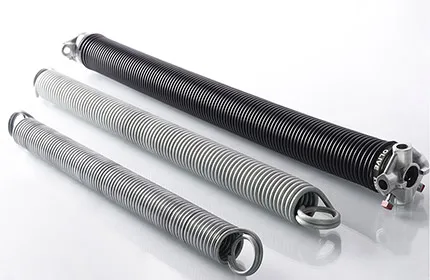
Garage door springs come in two main types: torsion springs and extension springs. Here’s the lowdown on the average garage door spring lifespan:
- Torsion Springs: These are typically more durable. They can last anywhere between 15,000 to 20,000 cycles. To put it in perspective, if you use your garage door about four times a day, torsion springs should last roughly 10 to 15 years.

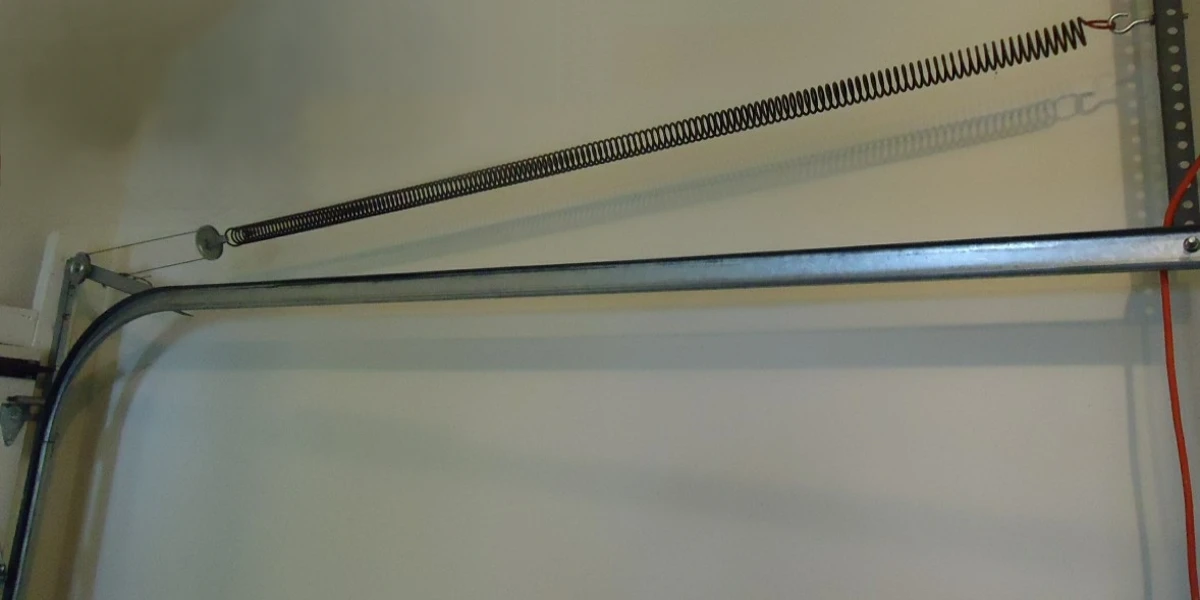
- Extension Springs: These usually have a shorter lifespan of about 10,000 cycles, translating to about 7 to 12 years with the same daily usage.

But remember, these numbers aren’t set in stone. The longevity of your garage doors and door springs can be influenced by various factors.
Why Do Garage Door Springs Break?
Frequency of Use
- How It Affects: Each time your garage door opens and closes, it completes a ‘cycle’. With more cycles, the metal in the springs undergoes stress, gradually leading to wear and fatigue. It’s like bending a paperclip back and forth – over time, it will weaken and eventually break.
- Practical Insight: For instance, a residential garage that’s used typically twice a day will see less wear compared to a commercial garage door that may open and close over a hundred times a day.
Maintenance
- Key Practices: Regular maintenance includes lubricating the springs with a suitable garage door lubricant, which reduces friction and wear. It’s also about catching issues early – checking for rust, corrosion, or signs of fatigue and addressing them promptly.
- Impact of Neglect: Neglecting maintenance can lead to early failure of the springs. Think of it as skipping oil changes on your car – you wouldn’t do it, right?
Quality of Springs
- Material Matters: Higher quality springs are often made from better steel and undergo more rigorous manufacturing processes, resulting in a more resilient product. They are designed to withstand more cycles.
- Cost vs. Longevity: While high-quality springs might be more expensive upfront, they can be more cost-effective in the long run. Cheaper alternatives may require frequent replacements, adding up the costs over time.
Environmental Conditions
- Climate’s Role: Springs can be susceptible to environmental factors. For example, in areas with high humidity, springs can rust and corrode faster. In contrast, extreme cold can make metal brittle and more prone to breaking.
- Preventive Measures: In harsh climates, it’s worth investing in springs that are coated or made of weather-resistant material. Regular checks for rust and applying protective lubricants can also extend the life of your springs.
Understanding these factors helps in making informed decisions about your garage door maintenance and when to plan for replacements. Remember, while some aspects are within your control, like maintenance, others, like usage frequency, may be inherent to your lifestyle or business needs.
Signs It’s Time for a Replacement
- Struggling to Lift the Door: If your garage door seems heavier than usual or struggles to open, it might be a sign that your springs are wearing out.
- Loud Noises: A clear indication that something’s amiss is if your garage door starts making unusual noises.
- Visible Wear and Tear: Look for gaps in the spring coils – a telltale sign that they’re on their last leg.
The Importance of Professional Replacement
Garage door spring replacement is not a DIY job. These springs are under immense tension, and improper handling can lead to serious injury. When it’s time for a garage door replacement anyway, it’s time to call in a garage door company like Jolly Goat.
Should I Replace a Garage Door Spring Myself?
When it comes to replacing a garage door spring, the idea of DIY might be tempting, especially if you’re handy around the house. However, it’s important to understand that garage door spring replacement involves significant risks. These springs are under immense tension, and if not handled correctly, they can release this tension suddenly, leading to potential injury or property damage. Unless you have specific training and the right tools, it’s generally advised to leave this task to professionals.
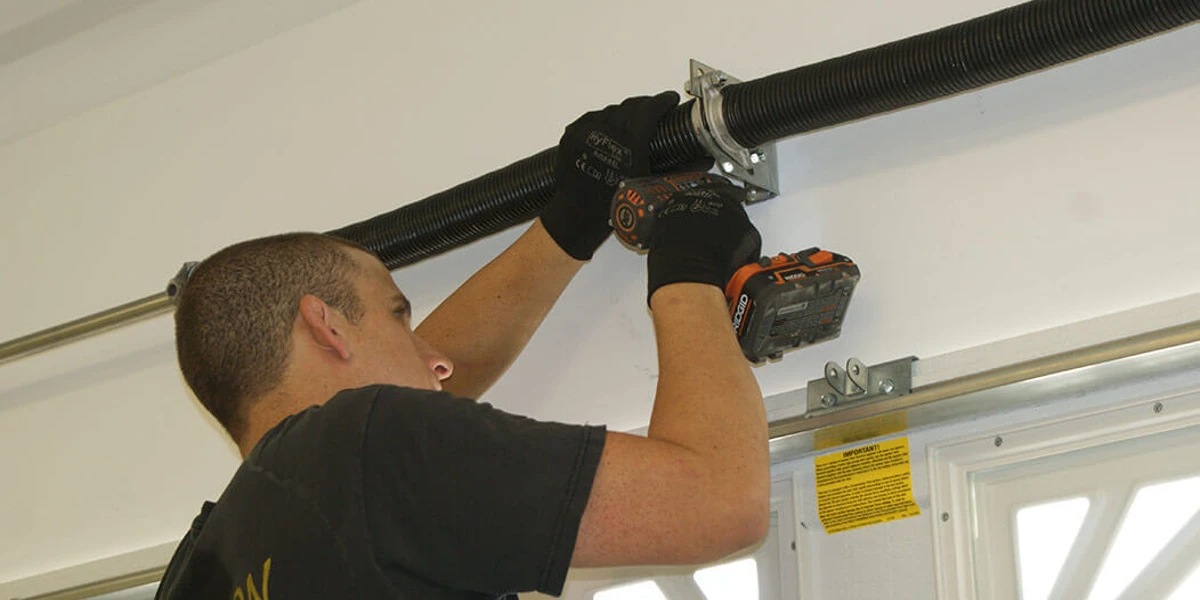
DIY vs. Professional Garage Door Spring Replacement
DIY Approach
- Pros: The main advantage is the potential cost-saving, as you would only be paying for the parts and not the labor.
- Cons: Without the proper tools and expertise, you risk incorrect installation, which can lead to further damage or even injury. Additionally, DIY repairs typically don’t come with the warranties that professional services offer.
Professional Replacement
- Pros: Safety is the biggest advantage. Professionals have the necessary tools, training, and experience to safely and effectively replace garage door springs. Plus, their work often comes with a warranty.
- Cons: The primary drawback is the cost, as you will need to pay for both labor and parts.
Is It Safe to Replace My Garage Door Springs on My Own?
In most cases, replacing garage door springs on your own is not safe. The risks involved in handling high-tension springs are significant. A sudden release of tension can cause injury and damage. Professionals are not only trained in safe handling the spring system but also know how to ensure that the door is balanced and properly aligned after the repair. If you’re not experienced in this specific type of work, it’s safer and more prudent to hire a professional. Remember, saving a few bucks is not worth risking your safety.
Garage door springs might not be something you think about daily, but they play a vital role in the functionality of opening your garage door. Keeping an eye on their condition and understanding their lifespan helps ensure your garage door operates safely and smoothly.
Jolly Goat Garage Doors are always here to help with your garage doors, get expert advice, maintenance, and safe, professional spring replacement. Don’t wait for a broken garage door spring; get in touch with us for a check-up. Here’s to keeping your garage door springing into action, cycle after cycle!
Visit our Garage Door Spring Information Center for more.