
Your garage door is more than just an entrance for your vehicles and belongings. It’s one of the largest moving parts in your home. With doors opening and closing over 1,500 times annually, understanding the safety features that protect your family is essential. Whether you have a modern system or an older setup, Jolly Goat Garage Doors reminds you that knowing and maintaining these features can prevent serious injury.
Why Garage Door Safety Matters
Every year, thousands of homeowners experience preventable garage door accidents. Your garage door system weighs between 130 and 350 pounds, creating significant danger if something malfunctions. From children playing near the garage to pets wandering through the door’s path, understanding safety isn’t just about compliance. It’s about protecting your family’s well being.
Many garage door openers manufactured today come equipped with multiple safety devices designed to prevent accidents before they happen. However, these features only work when homeowners understand them, test them regularly, and maintain them properly.
Automatic Reversal System: Your First Line of Defense
The automatic reversal system stands as one of the most important safety features on any garage door. This mechanism ensures that if your closing door encounters an obstruction (whether a toy, bicycle, pet, or person), it will immediately reverse direction and return to the fully open position.
Federal law has required this system on all garage door openers manufactured since 1993. The auto reverse works through two mechanisms: mechanical force detection and photoelectric sensors (often called photo eyes or electric eyes).
Force Detection
The mechanical aspect monitors the force required to close your garage door. When properly calibrated, your garage door opener knows exactly how much resistance is normal. If the door suddenly encounters unexpected resistance, the force settings trigger it to automatically reverse course.
Testing procedure: Place a roll of paper towels or a piece of wood on the ground in the door’s path. When you activate the closing door, it should immediately reverse upon contact with the object. If it doesn’t, contact an experienced technician right away to adjust your force setting.
Photoelectric Sensors: Invisible Protection
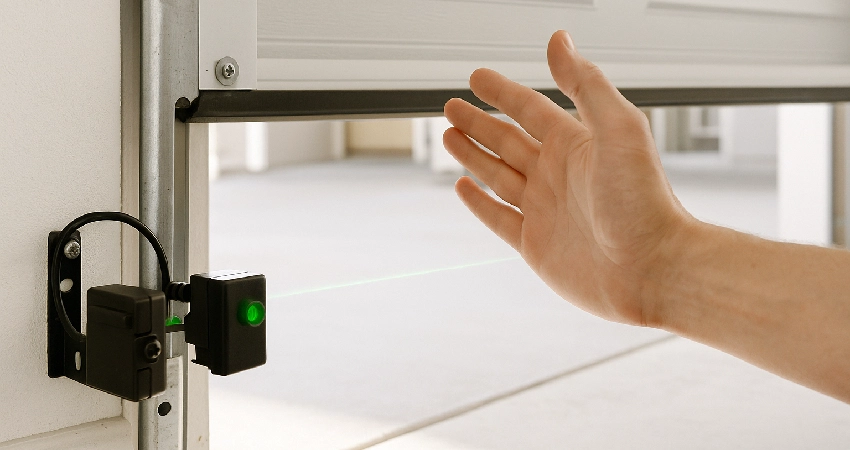
Photoelectric eyes create an invisible beam of light across your garage opening, typically mounted about six inches from the floor on either side. One sensor sends a beam of light while the other receives it. When anything breaks this beam while the door is closing, the system tells the door to automatically reverse.
These safety eyes detect objects before the door makes physical contact, helping prevent injury to children, pets, or anyone who might unexpectedly enter the door’s path.
Testing procedure: Wave your hand, a broom, or any object through the invisible beam while closing your garage door. The door should stop immediately and reverse direction. If the sensors don’t respond, they might need cleaning or realignment. Dust, dirt, spider webs, or misalignment can prevent proper function.
Garage Door Springs: Understanding High Tension Dangers
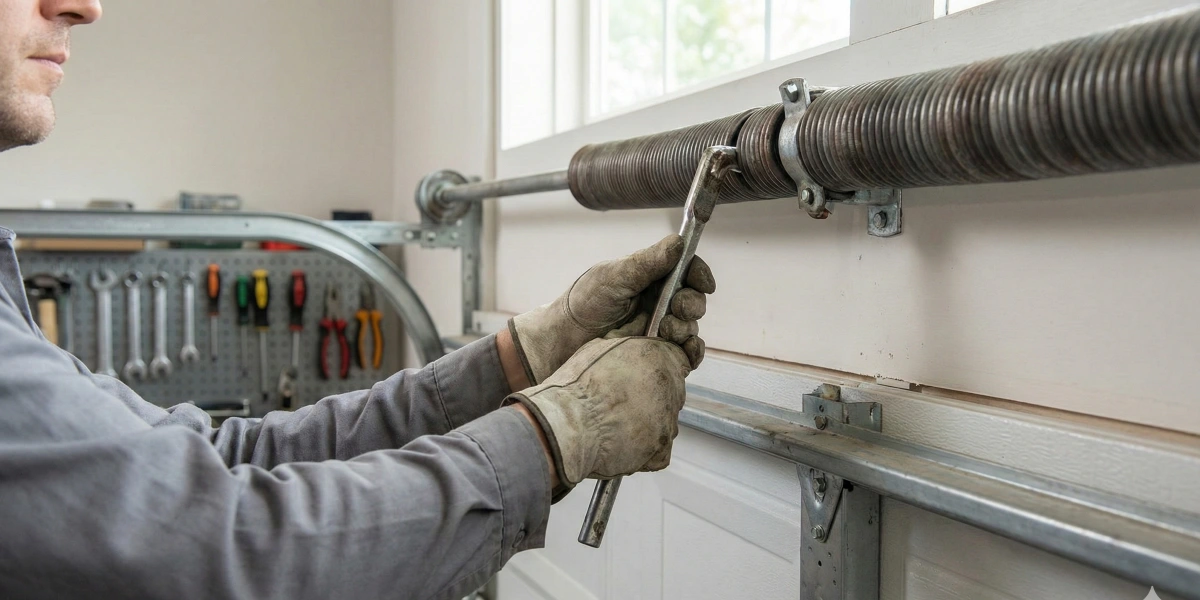
Garage door springs handle the heavy lifting in your system, bearing enormous high tension to counterbalance the door’s weight. These springs come in two types: torsion springs mounted above the door and extension springs running along the sides. Both store tremendous energy, making them potentially dangerous if broken or handled improperly.

Extension Springs and Safety Cables
Extension springs stretch and contract as your garage door opens and closes. When these springs break (and eventually they will), the stored energy releases suddenly, causing the broken spring to snap with tremendous force.
A safety cable runs through the center of each extension spring, contained within the spring itself. When a broken spring releases, this cable prevents it from becoming a dangerous projectile that could cause serious injury or property damage. Every homeowner with extension springs should have this critical safety feature installed.
Torsion Springs Require Professional Handling
Torsion springs mount on a metal shaft above your garage door, twisting to provide the force needed to lift it. These springs operate under extreme high tension. Unlike extension springs, broken torsion springs typically don’t fly off, but attempting to repair or replace them without proper training and tools can result in severe injury.
Never attempt to repair garage door springs yourself. An experienced technician has the specialized tools and knowledge to safely handle these components.
Smart Garage Door Openers: Modern Technology Meets Safety
Smart garage door openers represent the latest evolution in door safety and convenience. These systems connect to your home’s Wi-Fi network, allowing you to monitor and control your garage door remotely through smartphone apps.
Many smart garage door openers send real-time alerts to your phone if your door opens unexpectedly or remains open longer than usual. This dramatically improves home security by keeping you informed about your garage’s status. Some systems allow you to grant temporary access to delivery drivers or guests, eliminating the need to share your main access codes.
Additional features often include automatic closing after a preset time, vacation mode to prevent unauthorized opening, and activity logs showing every time your door operates.
Manual Release: Safety During Power Outage
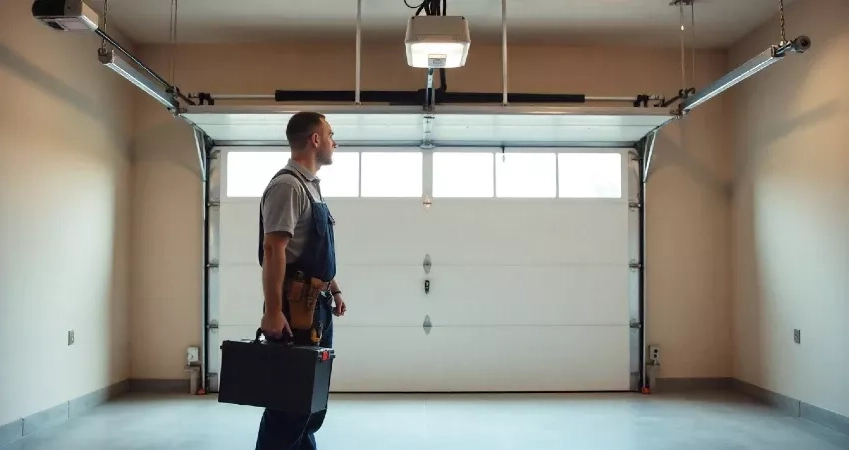
Every garage door opener includes a manual release mechanism, usually a red handle hanging from the opener trolley. This feature allows you to manually open and manually close your garage door during a power outage or when the opener malfunctions.
Safe operation:
- Ensure your door is in the fully closed position if possible
- Pull down on the release handle to disengage the opener
- Lift the door manually (be cautious, as an unbalanced door might be heavy or could drop suddenly)
Important: Never pull the manual release handle while your door is in motion or fully open. Doing so could cause it to fall, potentially causing serious injury or damage. Double check that the door is completely stopped first.
Tamper-Resistant Brackets: Protecting High-Risk Components
The bottom brackets of your garage door connect to the cables and springs, where high tension creates significant danger. Tamper-resistant brackets are designed to secure these connection points, preventing accidental loosening or adjustment by untrained individuals.
These brackets require special tools to remove, discouraging dangerous DIY repairs on moving parts under extreme pressure. If you notice any issues with door sections, brackets, or hardware, always contact a professional. For homeowners in Oklahoma, services like Sulphur garage door repair provide experienced technicians who understand system complexities.
Additional Safety Features

Modern garage doors incorporate numerous smaller features to prevent accidents:
Pinch-resistant door sections feature joint designs that minimize the risk of fingers getting caught between panels. These are particularly important for families with young children.
Remote controls should always be kept out of children’s reach. Treat them like car keys and secure them where children cannot access them. Many newer systems include push button wall controls with lockout features that temporarily disable remote controls.
Safety inspection stickers placed by professional technicians remind you when your next annual maintenance is due.
Properly Balanced Doors: Foundation of Safe Operation

A properly balanced garage door should require minimal force to manually open and close. When garage door springs are correctly adjusted, the door should stay in place when opened halfway, neither rising nor falling on its own.
Balance test: Disconnect the opener using the manual release (with the door closed), then lift the door halfway and let go. If it falls or rises, your springs need adjustment by an experienced technician.
An improperly balanced door forces your opener to work harder, potentially leading to premature failure. More importantly, it poses safety risks, as it might fall unexpectedly or be difficult to manually open during emergencies.
Routine Maintenance Checklist
Even the best safety features fail without proper routine maintenance.
Monthly:
- Visual inspection: Check all moving parts, cables, springs, and hardware for wear, rust, or damage
- Clean photoelectric sensors and ensure alignment
- Test automatic reversal: Place an object in the door’s path to verify it immediately reverses
- Test photoelectric eyes: Break the invisible beam to confirm the door stops and reverses
- Clean photo eyes with a soft cloth
- Clear debris from tracks
Quarterly:
- Lubricate moving parts with garage door lubricant (not WD-40)
- Deep clean sensors and tracks
Annual:
- Schedule professional maintenance with qualified technicians who can identify potential problems before they become dangerous
- Professionals check force settings, adjust springs, tighten hardware, and ensure all safety devices function correctly
Teaching Family Safety Tips
Safety features only work when everyone in your household understands them:
- Teach children never to play near the garage door or run through it while moving
- Show everyone where the wall-mounted push button control is located and how to use it safely
- Demonstrate the manual release and when it should be used
- Establish clear rules about not standing under or near a moving door
- Keep remote controls secure and out of children’s reach
When to Call a Professional
While homeowners can handle basic maintenance like cleaning sensors and visual inspections, certain situations always require professional expertise:
- Any repair involving garage door springs
- Adjusting force settings or opener configurations
- Replacing or repairing opener motors
- Fixing broken cables or hardware
- Installing a new garage door or opener system
- Addressing any door that doesn’t respond to safety feature tests
Professional technicians have specialized training and equipment to safely handle dangerous components. Never compromise your safety or your family’s well being by attempting complex repairs. The cost of professional service is minimal compared to potential injury from mishandled repairs.
Commit to Your New Garage Door Safety Features
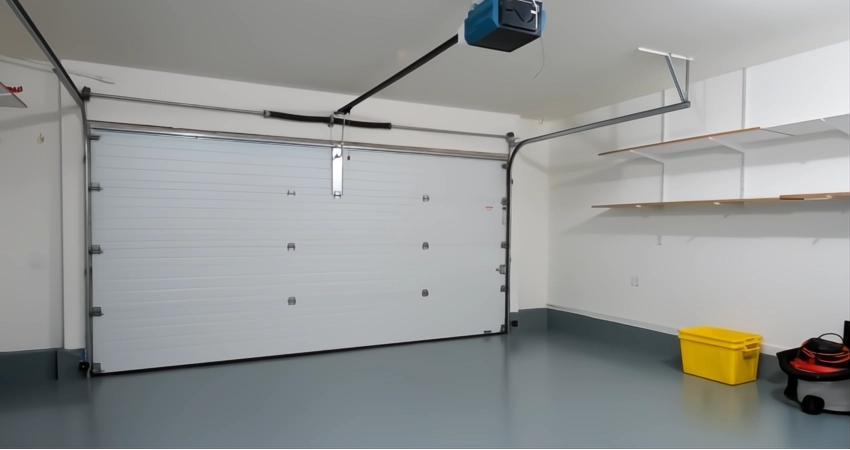
Your garage door’s safety features (auto reverse system, photoelectric sensors, safety cables, and smart opener technology) protect your family from one of the largest moving parts in your home. However, safety requires more than built-in features. It needs your attention.
Take action this week:
- Test your auto reverse system with paper towels or wood
- Wave your hand through the photoelectric sensors while closing the door
- Visually inspect springs, cables, and hardware
- Schedule annual maintenance if you haven’t had service recently
For expert inspection, maintenance, or repairs, contact Jolly Goat Garage Doors today.