
Oklahoma weather does not believe in subtlety. One week can bring sunshine, a cold snap, hard wind, and temperature swings that make your garage door wonder what season it is. That is why a little preparation goes a long way.
At Jolly Goat Garage Doors, we like garage doors that do their job without adding drama to yours. A worn bottom seal, loose hardware, tired garage door springs, or a struggling garage door opener may seem minor when the weather is mild. Then temperatures drop, severe weather rolls in, or you lose power, and that small issue becomes the reason your garage door will not cooperate.
This garage door preparation checklist covers the homeowner checks worth making before harsh weather conditions arrive, plus the warning signs that mean it is time to call the garage door gurus. The goal is safer operation, better energy efficiency, and fewer costly repairs when Oklahoma weather decides to show off.
Start With a Thorough Garage Door Inspection
Before reaching for tools, spend a few minutes looking at the door. With the garage door closed, inspect the door sections, vertical tracks, rollers, hinges, cables, weather stripping, and opener mechanism.
Look for loose hardware, rust, cracked panels, bent brackets, or gaps around your garage door. If ordinary accessible bolts have worked loose, follow the manufacturer’s instructions for tightening them. Inspecting and tightening loose bolts when appropriate helps the system maintain proper door alignment and structural integrity.
Check the vertical tracks too. Dirt, leaves, and debris can build up where the rollers travel and contribute to rough movement or jamming. Cleaning garage door tracks is useful regular maintenance, but keep grease out of the tracks. Rollers need a clean path, not a sticky one that collects dirt.
Now visually check the door’s springs and cables. Watch for corrosion, gaps in torsion springs, or frayed cables. This is where DIY enthusiasm should stop. Garage door springs operate under high tension and support much of the door’s weight. Garage doors can weigh hundreds of pounds, with some residential doors weighing up to 400 pounds, so adjusting spring tension is not something to learn on the fly.
A thorough inspection of the door’s components can catch small problems before rough weather puts additional stress on them. If anything looks questionable, call the Goat. Our technicians can perform a professional tune-up and address problems before they become an emergency repair.
Make Sure the Door Operates Smoothly
A healthy garage door should move from the garage floor to its fully open position without jerking, scraping, or sounding like it is auditioning for a percussion band.
Run it through a complete cycle. Grinding, popping, shaking, or slow movement can point to worn rollers, poor door alignment, spring issues, or an opener motor working harder than it should.
Cold weather can make existing problems easier to notice because rubber stiffens, lubricants react differently, and metal components respond to extreme temperatures. These changes can become especially noticeable in colder climates, where the door may spend weeks operating through freezing conditions rather than dealing with an occasional cold morning.
Test the Safety Features
Safety sensors should be clean, aligned, and unobstructed. The auto-reversal system is designed to reverse the door when it detects an obstruction, helping prevent injury or property damage.
Test the auto-reverse function monthly according to the manufacturer’s instructions. Check wall controls and remote controls too. If the garage door open command works only sometimes, have the system checked before severe weather arrives.
A balance test can reveal another problem. With the door fully closed, follow the manufacturer’s instructions to disconnect the opener using the manual release. If the door feels unusually heavy, drops, or will not stay where expected during the test, stop and call a professional. High tension plus a heavy door is not a good DIY combination.
If the door manually feels unusually heavy, drops, or refuses to remain in position, stop and call a professional. High tension plus a heavy door is not a good DIY combination.
Stop Cold Air With Proper Weather Stripping
Weather stripping rarely gets attention until cold drafts start sneaking through the garage. By then, damaged weather stripping may already be letting in moisture, dust, and cold air.
Proper weather stripping helps create a tight seal around the closed door. That can improve comfort and energy efficiency, especially when the garage shares walls with the house. Keeping outside air from constantly creeping indoors can also help reduce unnecessary energy costs in attached garages and nearby living spaces.
Start with the rubber seal along the bottom. The bottom seal should contact the garage floor consistently. Look for cracks, flattened areas, brittle rubber, missing sections, or daylight under the closed door.
Inspect the sides and top as well. Seal cracks around the garage door where appropriate so drafts and moisture have fewer ways in. Installing weather stripping is not just sticking on whatever material is handy. New weather stripping needs to fit correctly; material that is too small leaves gaps, while material that is too thick can affect how the door operates.
At Jolly Goat Garage Doors, we can replace tired weather stripping with a properly fitted seal. It is not the flashiest garage door upgrade, but when that cold air stays outside where it belongs, nobody complains.
For homeowners looking for garage weatherproofing in Oklahoma City, replacing worn seals and closing gaps around the door are simple ways to improve protection against drafts, moisture, and changing weather.
Keep the threshold clean too. Clear snow, leaves, mud, and debris so the bottom seal can sit against the garage floor. For routine grime, warm water and a soft cloth are usually enough.
Lubricate the Right Parts, Not Every Part
Your garage door has plenty of moving pieces, and friction is not their friend. Routine garage door lubrication can reduce wear and support smooth movement.
Follow your door manufacturer’s lubrication schedule and use a garage-door-specific lubricant approved for the system. In some cases, that may include a silicone spray, but always check the manufacturer’s recommendations first.
More is not better. Do not fill the tracks with grease. Vertical tracks should remain clean so rollers can move properly without collecting dirt and old lubricant.
Temperature swings can expose wear that was already developing. A tired roller may suddenly sound much louder. A stiff rubber seal may stop forming a tight seal. An older opener motor may seem to work harder.
None of those things automatically means you need a new garage door. They do mean it is worth paying attention.
Preventing costly repairs is often less about doing something dramatic and more about catching these small changes early. A tune-up before the roughest part of winter can be much easier than dealing with a garage door that refuses to move on a freezing morning.
Prepare for Severe Weather Before It Arrives
Winter weather is only one part of an extreme weather garage door preparation checklist. Strong winds, hail, heavy rain, and flying debris can place extra stress on the door.
Inspect panels for dents, cracks, rust, or loose door sections. Check that brackets and vertical tracks appear secure. If high winds are a concern, verify that the door meets applicable wind-load requirements.
Skip last-minute homemade reinforcement. A couple of boards and good intentions do not turn an ordinary door into a storm-rated system. Reinforcement needs to work with the door, tracks, anchors, and supporting structure.
Outside, secure anything that could become airborne and clear snow or debris from the threshold before closing the door.
If you are unsure whether the system is ready, Jolly Goat Garage Doors can inspect it and explain whether repair, reinforcement, or a new garage door makes sense. We are not a one-trick goat; if a repair will do the job, that matters.
Get the Garage Door Opener Ready for Power Outages

Sometimes a storm leaves the door alone and picks a fight with the power grid instead. The garage door opener belongs on the checklist too.
If the opener has battery backup, test it according to the manufacturer’s instructions. Learn how the manual release works before you lose power. Trying to figure it out in the dark while rain blows sideways is nobody’s idea of a jolly evening.
Knowing how to operate the door manually is useful, but never force it. If the door is crooked, off-track, damaged, or unexpectedly heavy, attempting to manually lift it can be dangerous.
Any new opener or electrical work should follow the manufacturer’s requirements and applicable electrical codes. If the existing wiring looks questionable, leave that part to a qualified electrician.
Jolly Goat Garage Doors also handles opener installation, repair, and replacement. A newer automatic opener may offer updated safety features, quieter operation, smart controls, or battery backup depending on the model. Just remember: a new opener mechanism should not mask worn springs or poor alignment. Before opener installation, the door itself should be balanced and moving correctly.
Your Quick Garage Door Preparation Checklist
Before cold weather or severe weather arrives:
- Inspect door sections, vertical tracks, rollers, hinges, garage door springs, and cables.
- Check loose hardware and door alignment.
- Confirm the door opens and closes with smooth movement.
- Test the garage door opener, safety sensors, remote controls, and auto-reversal safety features.
- Inspect weather stripping, the rubber seal, and bottom seal for gaps or damage.
- Seal appropriate cracks around your garage door and clear snow or debris from the garage floor and threshold.
- Clean tracks and keep them free of grease.
- Lubricate approved moving parts using the product and schedule recommended for your garage door.
- Test battery backup and learn how to use the manual release before power outages.
- Secure loose outdoor objects before severe weather.
- Schedule a professional tune-up if the door operates unevenly, feels heavy, becomes unusually noisy, or shows frayed cables or spring damage.
Check the Garage Door Again After the Storm
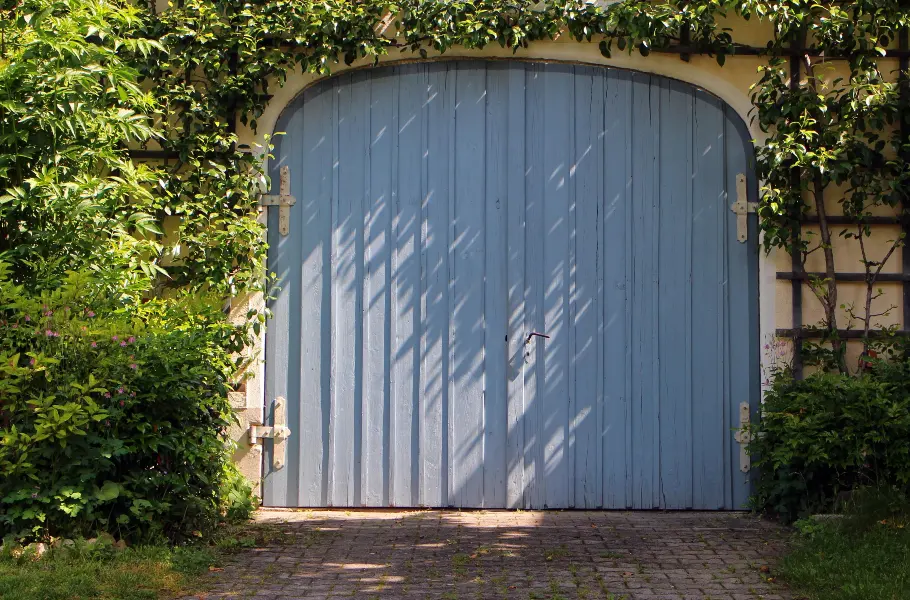
Once conditions are safe, resist the urge to hit the remote immediately. Take a quick look first.
Check for new dents, cracked door sections, bent tracks, broken glass, loose hardware, damaged weather stripping, water intrusion, or cables that no longer look right. If the door sits crooked, a roller has left the track, or you see a frayed cable, do not operate it.
Trying to make a damaged garage door open can turn a manageable repair into costly repairs. A broken spring deserves the same caution. Torsion springs and cables remain under high tension and require specialized tools and training.
If the problem is packed snow or debris at the threshold, clear the area and make sure the bottom seal reaches the garage floor. For structural damage, spring trouble, track damage, or opener failure, call for professional help.
Jolly Goat Garage Doors handles garage door repair, spring and cable service, opener repair, regular maintenance, and emergency repair. When a door quits being jolly, we know how to get it back on track.
When Is It Time for a New Garage Door?
Not every weather-related issue calls for replacement. Plenty of doors can still be repaired.
A new garage door becomes worth considering when multiple sections are damaged, corrosion is widespread, insulation is poor, the door no longer forms a proper seal, or repair bills keep piling up. Persistent cold drafts can also signal an aging system.
Garage door openings and requirements vary from home to home, so replacement begins with accurate measurements rather than assuming a standard size will fit.
On installation day, when our installation team arrives, they handle more than hanging new panels. We check door alignment, tracks, hardware, opener compatibility, safety features, and final operation.
As a general planning range, a straightforward single-door installation may take several hours, while larger, double, or more complex installations can take longer. The actual timeline depends on the door, opening, hardware, and site conditions.
Packaging materials stay clear of the work area, and we verify the finished door operates properly before we leave.
Frequently Asked Questions About Extreme Weather Garage Door Preparation
How do I prepare my garage door for winter weather?
Start with a thorough inspection of tracks, rollers, hardware, weather stripping, the garage door opener, springs, and cables. Keep the threshold clean, lubricate approved moving parts, replace damaged seals, and make sure the door closes fully before temperatures drop.
How can I keep cold air from coming around my garage door?
Check the bottom seal and perimeter weather stripping. Proper weather stripping should contact the door without interfering with movement. Seal appropriate cracks, and replace brittle or flattened material with new stripping when needed.
Can I adjust garage door springs myself?
No. The door’s springs operate under high tension and support a significant amount of the door’s weight. Spring tension adjustments, torsion springs, and damaged cables should be handled by trained professionals using specialized tools.
What should I do if I lose power?
Know how the opener’s manual release works ahead of time. When the door is undamaged and safe, follow the manufacturer’s instructions to disconnect the opener and use the door manually. Never force an off-track or unusually heavy door.
How often should I test and lubricate the system?
Test the auto-reverse function monthly. For lubrication, follow the door manufacturer’s recommended interval and lubricant type. Keep safety sensors clean and tracks free of grease.
Keep the Weather Outside and the Jolly Inside
A useful garage door preparation checklist does not require turning your weekend into a major project. Most of it comes down to noticing what your garage door is telling you.
Listen for new noises. Check the seals. Keep the tracks clean. Test the safety features and garage door opener. Learn how the manual release works before a power outage. Most importantly, do not ignore a small problem until Oklahoma weather gives it a chance to become a big one.
At Jolly Goat Garage Doors, making garage doors—and their owners—a little more jolly is what we do. From regular maintenance and professional tune-ups to spring repair, opener installation, weather stripping, emergency repair, and new garage door installation, our team is ready when your door needs a hand.
So before the next cold snap, thunderstorm, or wild temperature swing rolls through, give your garage door a few minutes of attention. If it needs more than a quick homeowner check, go with the Goat and contact us at 405-367-1020.