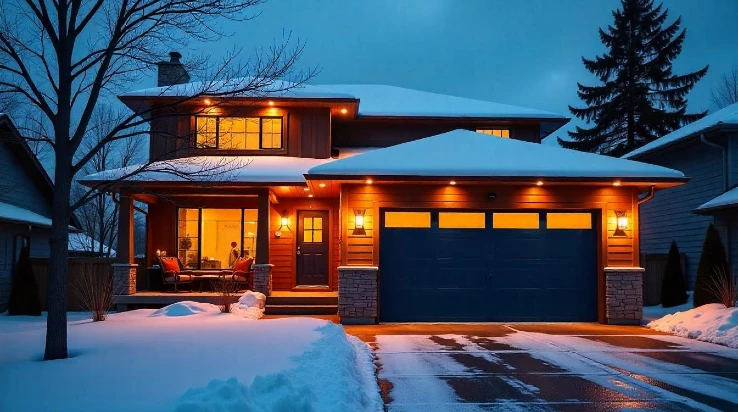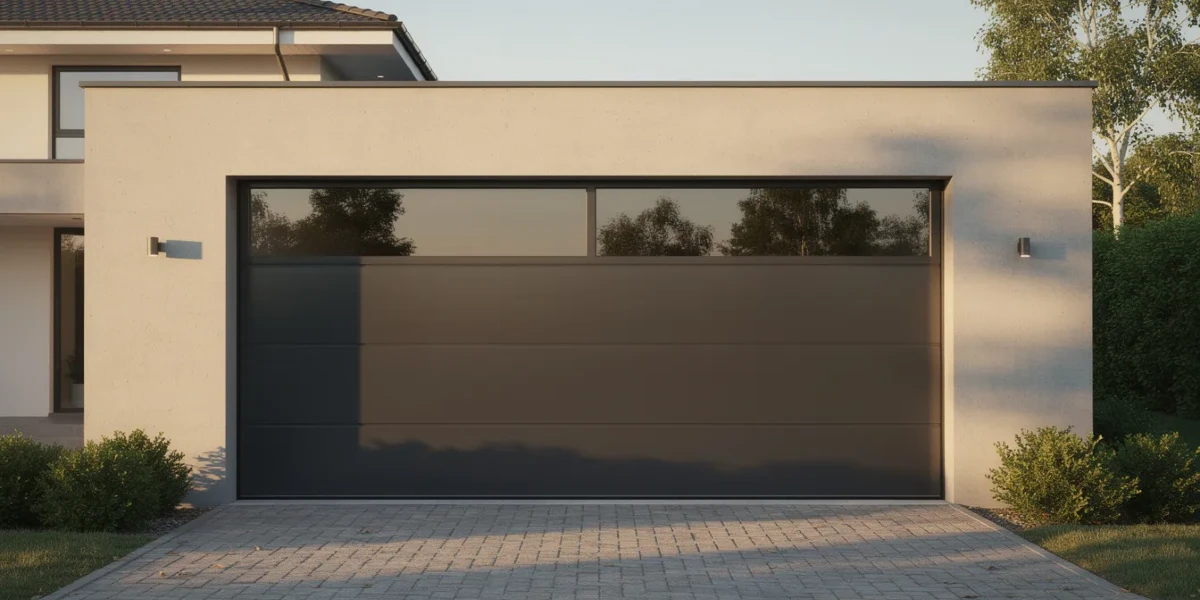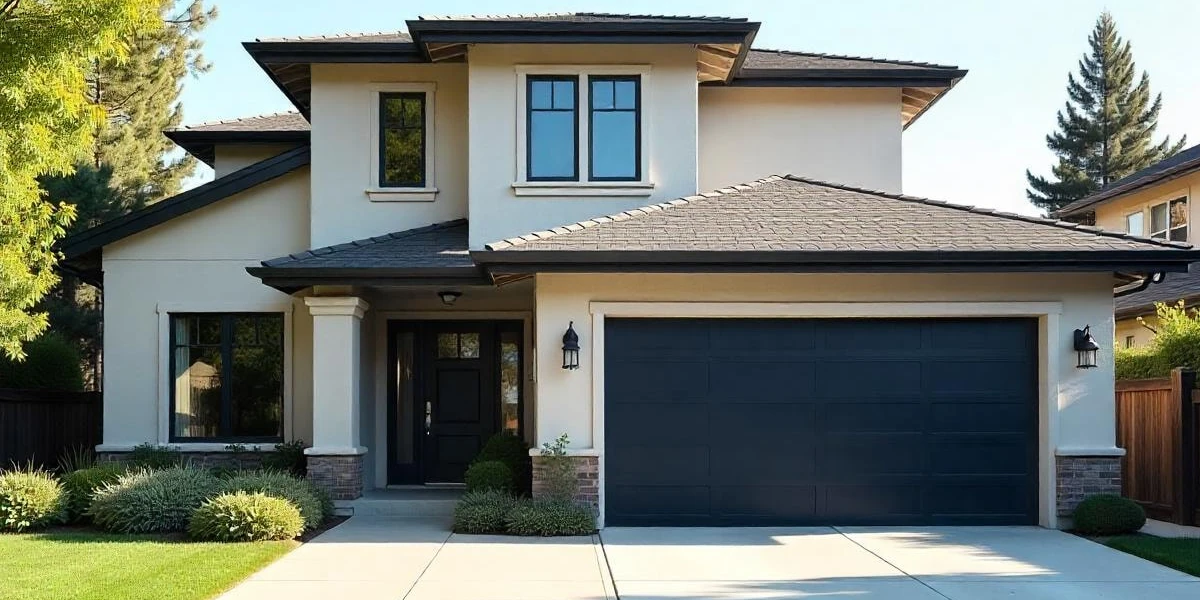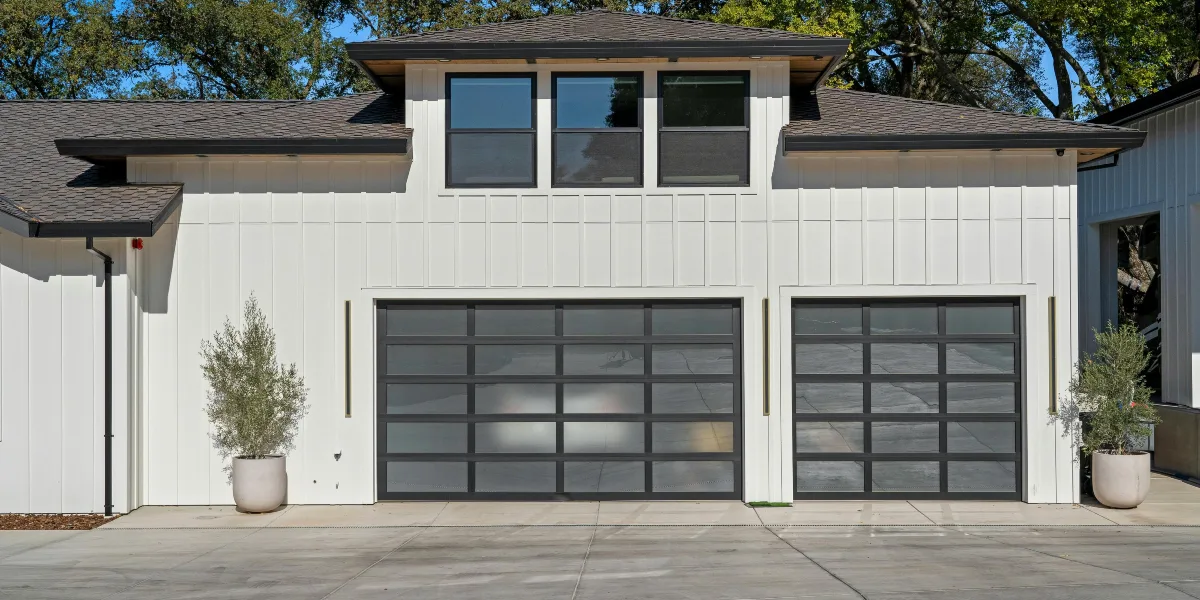

When selecting the best garage door materials for your home, you need to consider factors such as durability, aesthetics, maintenance, and energy efficiency. This comprehensive guide will explore various garage door materials, weighing their pros and cons to help you make an informed decision. From steel and aluminum to wood and composite options, we will cover all the popular choices and some you may not have considered.
Related Article: Garage Door Material Options: Exploring Styles and Durability
Steel Garage Doors
Steel garage doors are among the most popular choices due to their durability, security, and relatively low maintenance requirements. Steel doors can withstand harsh weather conditions and are less likely to warp or crack compared to wood doors.
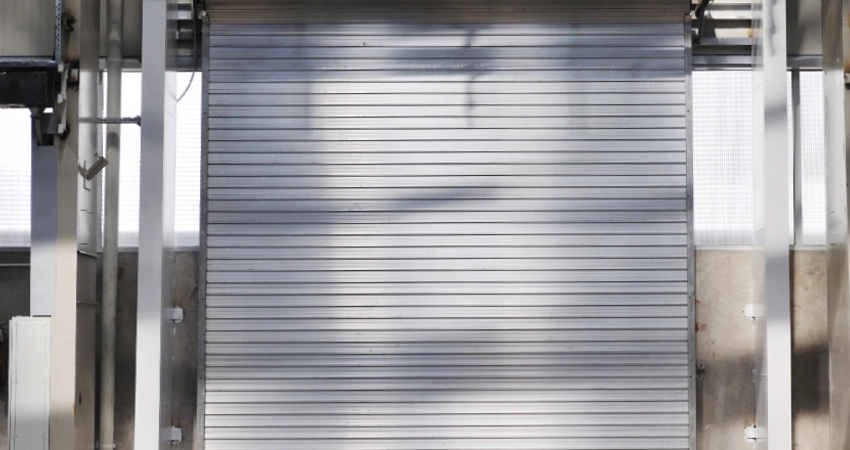
Pros:
- Durability: Steel doors are highly resistant to impacts and can endure harsh weather conditions, including high wind speeds and extreme heat.
- Security: The robust nature of steel provides excellent security against break-ins.
- Low Maintenance: Unlike wood, steel does not require regular painting or staining. A simple wash with soap and water is usually sufficient.
- Insulation Options: Steel garage doors often come with insulation options such as polyurethane or polystyrene, which can improve energy efficiency and reduce energy costs.
Cons:
- Dents and Scratches: Although durable, steel can dent and scratch, and these imperfections can lead to rust if not properly treated.
- Aesthetics: While steel doors come in various styles, they may not offer the same natural appeal as wood.
Aluminum Garage Doors
Aluminum garage doors are lightweight and resistant to rust, making them a suitable option for coastal areas with salt air.
Pros:
- Lightweight: Aluminum doors are easier to operate manually and put less strain on the garage door opener.
- Rust Resistance: Aluminum is naturally resistant to rust, making it ideal for areas with high humidity or salt air.
- Modern Appearance: These doors often have a sleek, contemporary look that can enhance your home’s curb appeal.
Cons:
- Durability: Aluminum doors are more prone to dents and damage compared to steel.
- Insulation: Aluminum doors typically offer less insulation than steel or wood, which can affect energy efficiency.
Fiberglass Garage Doors
Fiberglass garage doors are known for their resistance to corrosion and their ability to mimic the appearance of wood without the associated maintenance.
Pros:
- Corrosion Resistance: Fiberglass does not rust or corrode, making it an excellent choice for coastal regions.
- Wood Look: Fiberglass can be designed to mimic the look of wood, providing aesthetic appeal without high maintenance.
- Lightweight: Like aluminum, fiberglass doors are lightweight and easy to operate.
Cons:
- Brittle: Fiberglass can become brittle over time, especially in very cold climates, leading to cracks or breaks.
- Insulation: These doors typically provide lower insulation compared to other materials.
Wooden Garage Doors
Wooden garage doors offer a classic, timeless appeal that is hard to match. They are often chosen for their aesthetic qualities and the warmth they bring to a home’s exterior.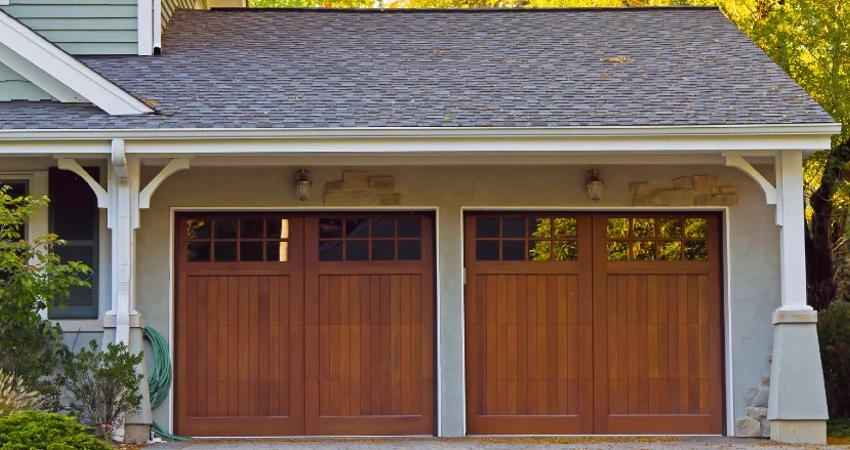
Pros:
- Aesthetics: Wood doors offer unmatched natural beauty and can be customized with various finishes and designs.
- Insulation: Wood is a natural insulator, providing good thermal performance.
- Customization: Wood doors can be tailored to fit any style, from traditional to contemporary.
Cons:
- Maintenance: Wood doors require regular maintenance, including painting or staining, to protect against the elements.
- Cost: Real wood doors are often more expensive than other materials.
- Durability: Wood can warp, crack, or rot if not properly maintained.
Wood Composite Garage Doors
Wood composite garage doors combine the beauty of wood with the durability and low maintenance of synthetic materials.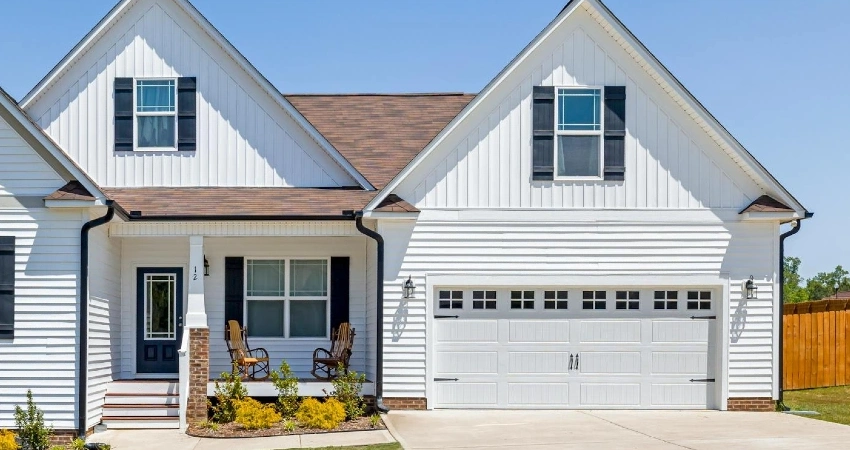
Pros:
- Aesthetic Appeal: These doors can mimic the appearance of natural wood without the extensive maintenance.
- Durability: Composite materials are resistant to warping, cracking, and rotting.
- Low Maintenance: Unlike real wood, composite doors do not require frequent painting or staining.
Cons:
- Cost: Wood composite doors can be more expensive than steel or aluminum options.
- Weight: These doors can be heavier than other materials, requiring a more robust garage door opener.
Vinyl Garage Doors
Vinyl garage doors are known for their durability and minimal maintenance requirements, making them a popular choice for busy homeowners.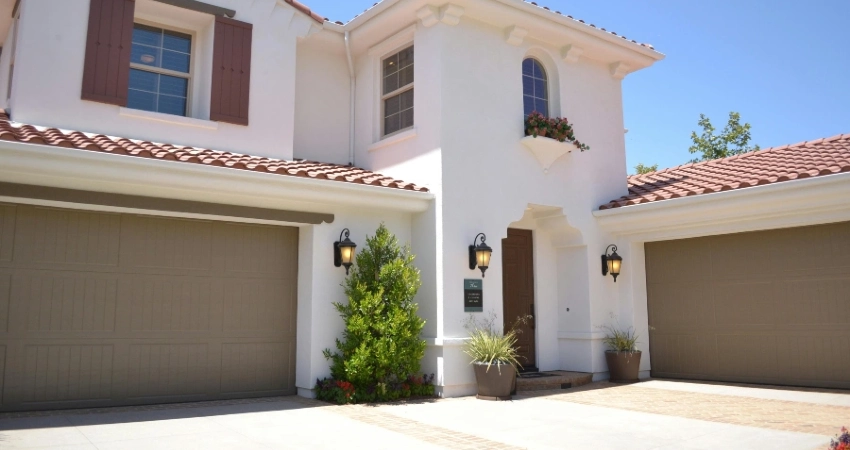
Pros:
- Durability: Vinyl is resistant to dents, rust, and corrosion.
- Low Maintenance: These doors require Weather Resistance: Vinyl doors can withstand harsh weather conditions without deteriorating.
Cons:
- Aesthetic Limitations: Vinyl doors often lack the natural appeal of wood or the sleek appearance of aluminum.
- Insulation: While some vinyl doors are insulated, they generally do not offer the same energy efficiency as steel or wood composite doors.
Other Garage Door Materials
Glass Garage Doors
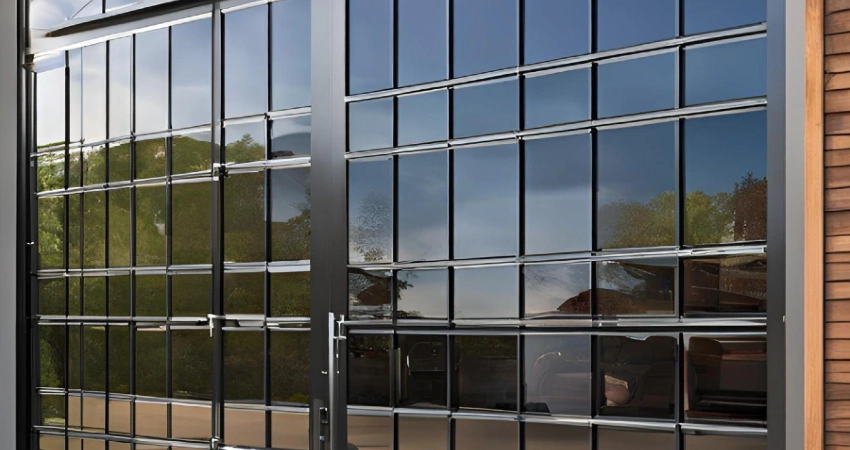
Glass garage doors are becoming increasingly popular for their modern, sleek look and the natural light they allow into the garage.
Pros:
- Aesthetics: Glass doors offer a contemporary look that can significantly enhance curb appeal.
- Natural Light: These doors allow natural light into the garage, making the space feel more open and bright.
- Customization: Glass doors can be customized with different tints and frosted options for privacy.
Cons:
- Durability: Glass doors are susceptible to breaking and may not be suitable for areas with high wind speeds or extreme weather conditions.
- Insulation: Glass doors typically provide low insulation, which can affect energy efficiency.
- Maintenance: Glass can show smudges and dirt easily, requiring regular cleaning.
Faux Wood Doors
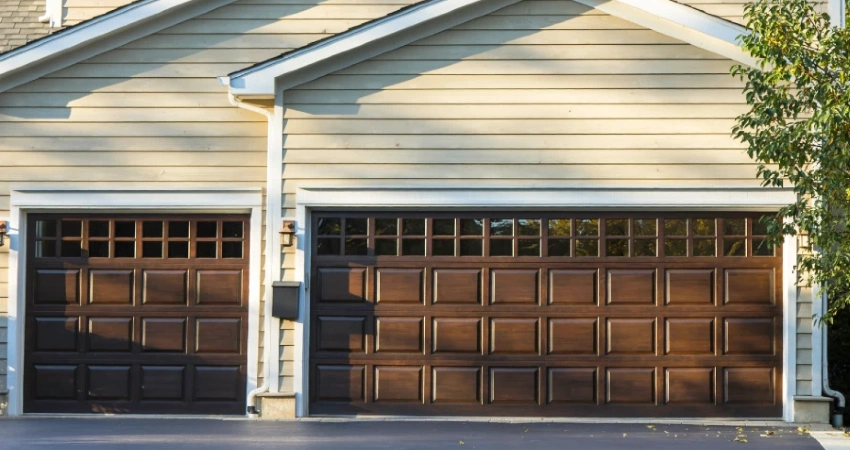
Faux wood garage doors are designed to mimic the appearance of real wood without the associated maintenance. These doors are often made from steel or composite materials with a wood-look finish.
Pros:
- Aesthetic Appeal: Faux wood doors offer the beauty of wood without the need for extensive upkeep.
- Durability: These doors are more durable than real wood and are resistant to warping, cracking, and rotting.
- Low Maintenance: Faux wood doors require less maintenance compared to real wood.
Cons:
- Cost: Faux wood doors can be more expensive than basic steel or aluminum doors.
- Authenticity: While they mimic the look of wood, they may not have the same authentic feel as real wood.
Choosing the Best Garage Door Material for Your Home
When deciding on the best garage door material for your home, consider the following factors: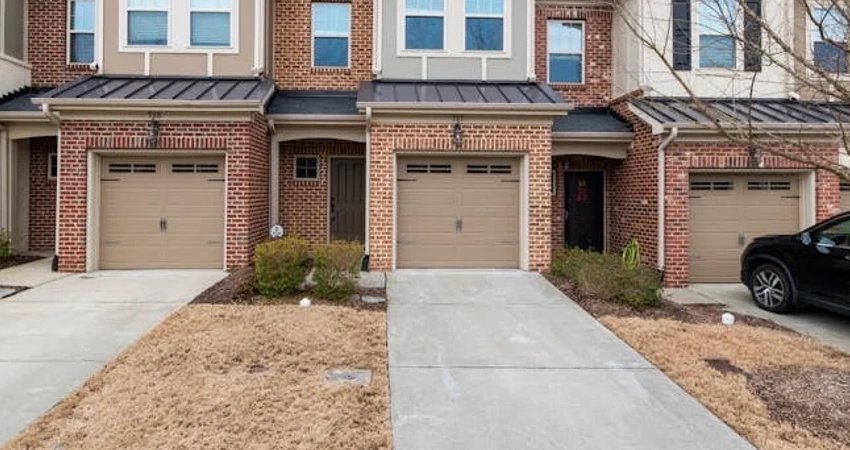
Climate and Environment
Your local climate plays a significant role in determining the best garage door material. For example, if you live in a coastal area with salt air, aluminum or fiberglass doors may be better suited to resist corrosion. In contrast, steel doors with proper insulation may be ideal for regions with extreme temperatures.
Aesthetic Preferences
The appearance of your garage door can greatly impact your home’s curb appeal. Consider how different materials and finishes will complement your home’s exterior. Wooden and faux wood doors offer a traditional and warm look, while steel and aluminum doors provide a more modern and sleek appearance.
Maintenance Requirements
Consider how much time and effort you are willing to invest in maintaining your garage door. Wood doors require regular upkeep, including painting or staining, while materials like steel, aluminum, and vinyl are relatively low maintenance.
Budget
Your budget will also influence your choice of garage door material. Steel and aluminum doors are generally more affordable, while wood and composite doors can be more expensive. Consider the long-term costs, including maintenance and potential repairs, when making your decision.
Energy Efficiency
If energy efficiency is a priority, look for garage doors with good insulation properties. Insulated steel doors, wood composite doors, and even some vinyl doors can help maintain temperature control in your garage, reducing energy costs.
Frequently Asked Questions About the Best Garage Door Materials
What is the most durable garage door material?
Steel is widely regarded as the most durable garage door material due to its resistance to impacts, harsh weather conditions, and break-ins. It also requires relatively low maintenance compared to wood.
Which garage door material requires the least maintenance?
Vinyl garage doors require the least maintenance. They are resistant to dents, rust, and corrosion, and only need occasional cleaning to stay in good condition.
What is the best garage door material for insulation?
Insulated steel doors and wood composite doors typically offer the best insulation. They help maintain temperature control in your garage, reducing energy costs.
Are wood garage doors a good investment?
Wood garage doors can be a good investment if you prioritize aesthetics and are willing to commit to regular maintenance. They offer natural beauty and good insulation but require more upkeep compared to other materials.
Can I get a garage door that looks like wood without the maintenance?
Yes, faux wood garage doors are designed to mimic the appearance of real wood without the associated maintenance. These doors are often made from steel or composite materials with a wood-look finish.
What garage door material is best for coastal areas?
Aluminum and fiberglass garage doors are best suited for coastal areas due to their resistance to rust and corrosion from salt air.
How do I choose the best garage door material for my climate?
Consider the specific challenges posed by your local climate. For example, steel doors with proper insulation are ideal for regions with extreme temperatures, while aluminum or fiberglass doors are better for coastal areas with high humidity or salt air.
What are the benefits of glass garage doors?
Glass garage doors offer a modern, sleek look and allow natural light into the garage, making the space feel more open and bright. However, they provide lower insulation and may not be suitable for areas with high wind speeds or extreme weather conditions.
Are there energy-efficient garage door options?
Yes, many garage doors come with insulation options such as polyurethane or polystyrene, which can improve energy efficiency. Insulated steel doors, wood composite doors, and some vinyl doors are good choices for energy efficiency.
How often should I maintain my garage door?
Maintenance frequency depends on the material. Wood doors require regular painting or staining, while materials like steel, aluminum, and vinyl need less frequent upkeep, typically just occasional cleaning and inspections.
By carefully considering these factors and understanding the pros and cons of each garage door material, you can choose the best option that meets your needs and enhances the functionality and appearance of your home.
Partner with Jolly Goat for Your Ideal Garage Door
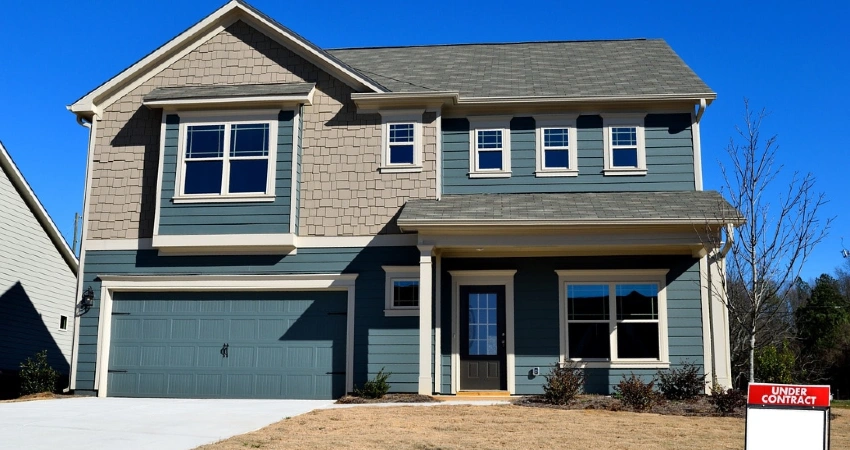
Selecting the best garage door material for your home involves weighing various factors, including durability, aesthetics, maintenance, and energy efficiency. Steel, aluminum, fiberglass, wood, wood composite, and vinyl each offer unique advantages and drawbacks. By considering your climate, aesthetic preferences, maintenance willingness, budget, and energy efficiency needs, you can make an informed decision that enhances both the functionality and curb appeal of your home.
At Jolly Goat Garage Door Repairs and Installation, we are here to help you choose the perfect garage door material that fits your needs and complements your home’s exterior. Our team of highly trained and passionate technicians will guide you through the entire process, ensuring a smooth and satisfying experience.
Contact us today to schedule a consultation or to learn more about our garage door installation services. Let us help you enhance your home’s curb appeal with the best garage door materials on the market. For more garage door style advice, visit our Garage Door Materials And Styles Information Center.